
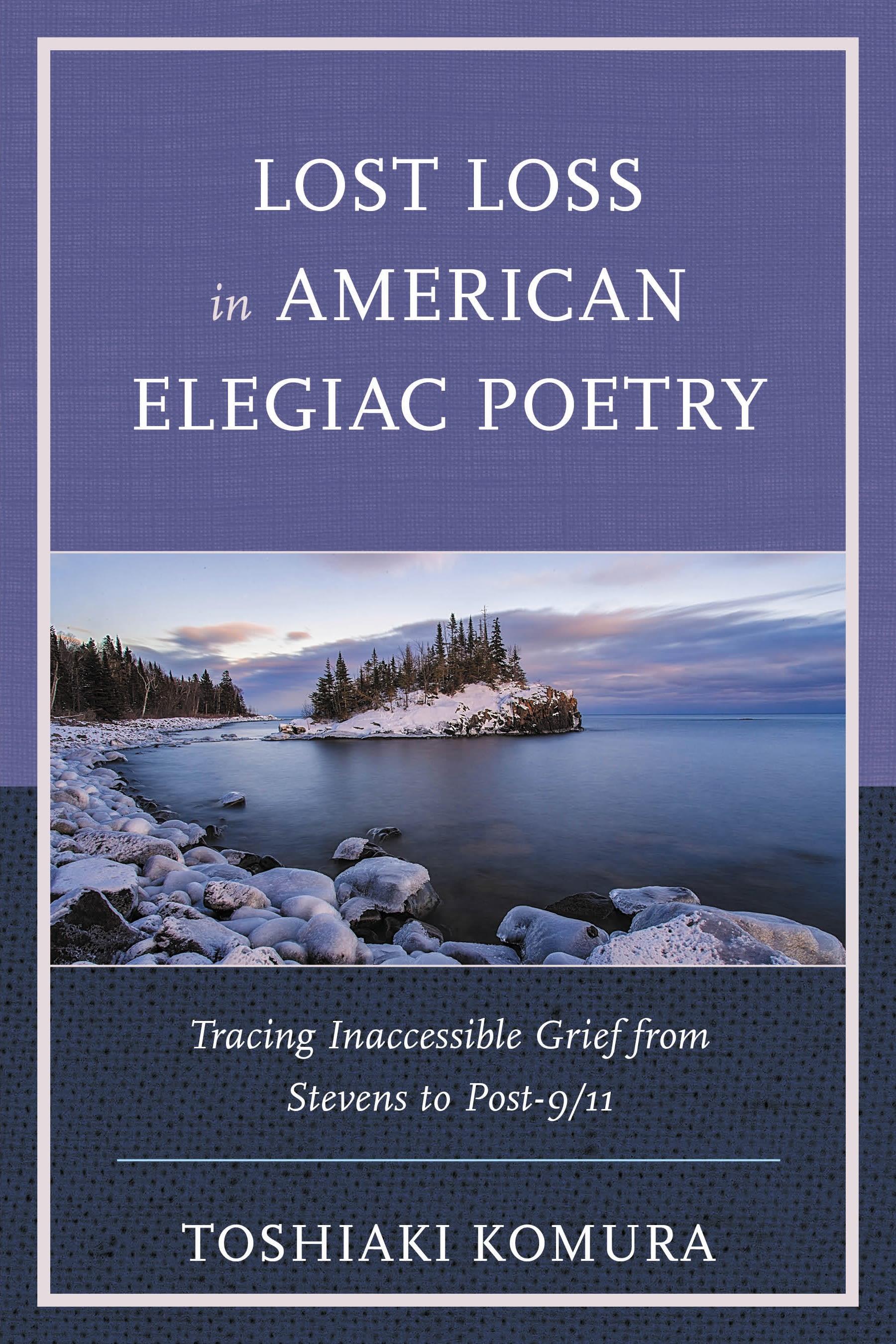
Lost Loss in American Elegiac Poetry: Tracing Inaccessible Grief from Stevens to Post-9/11 examines contemporary literary expressions of losses that are “lost” on us, inquiring what it means to “lose” loss and what happens when dispossessory experiences go unacknowledged or become inaccessible. Toshiaki Komura analyzes a range of elegiac poetry that does not neatly align with conventional assumptions about the genre, including Wallace Stevens’s “The Owl in the Sarcophagus,” Sylvia Plath’s last poems, Elizabeth Bishop’s Geography III, Sharon Olds’s The Dead and the Living, Louise Glück’s Averno, and poems written after 9/11. What these poems reveal at the intersection of personal and communal mourning are the mechanism of cognitive myth-making involved in denied grief and its social and ethical implications. Engaging with an assortment of philosophical, psychoanalytic, and psychological theories, Lost Loss in American Elegiac Poetry elucidates how poetry gives shape to the vague despondency of unrecognized loss and what kind of phantomic effects these equivocal grieving experiences may create.
Płać wygodnie kartą, Klarną, Apple Pay lub Google Pay. Nie jesteś zadowolony? Zawsze masz 14-dniową gwarancję zwrotu pieniędzy. Więcej przeczytasz w naszych warunkach. Masz pytania? Napisz do nas na hello@memmo.org.
Memmo ułatwia naukę – gdziekolwiek jesteś na świecie. U nas znajdziesz podręczniki i sprytne narzędzia do nauki w jednym miejscu: streszczenia, quizy, podcasty i fiszki. A do tego Ted, Twój kumpel do nauki, który odpowie na wszystko, co Cię nurtuje. Ponad 50 000 studentów już tu się uczy – stworzone, byś uczył się szybciej i mniej stresował.