
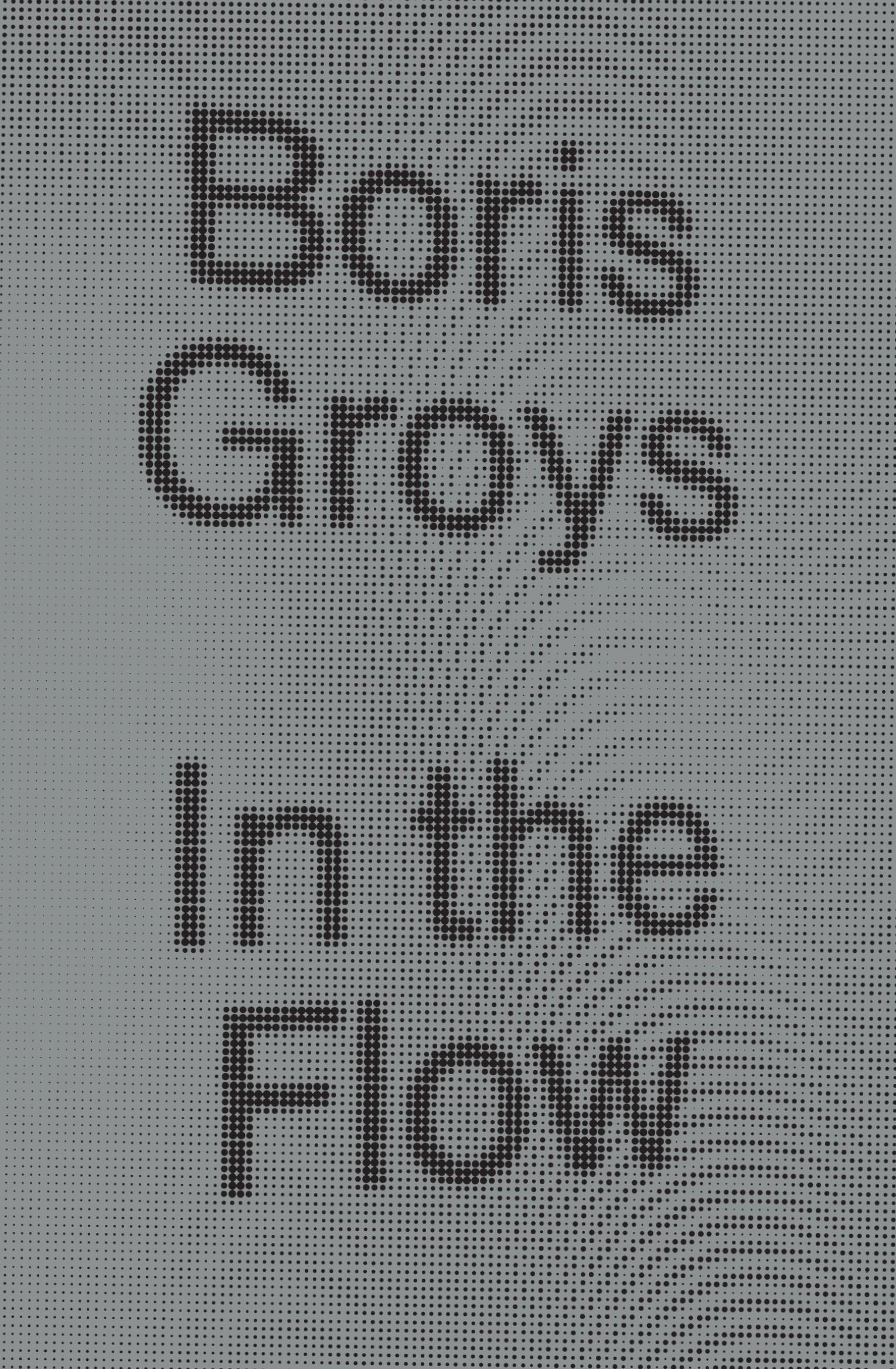
In the early 20th century, art and its institutions came under critique from a new democratic and egalitarian spirit. In an age of secularism and materialism, artworks would be understood as merely things among other things. This meant an attack on the techniques of realism, and the traditional mission of the museum, both designed shield a small class of objects from the entropic fate awaiting everything else-and the development of an approach that Boris Groys calls "direct realism": an art that would not produce objects, but practices that could enter the flow of time to live and die like the rest of us. But for more than a century now, every advance in this direction has been quickly followed by new means of preserving art's distinction.
In this major new work, Groys, one of the world's leading art theorists, charts the paradoxes produced by this tension, which continues to structure the production and reception of new art.
The internet, the latest medium through which artists have attempted to disavow this special status, inverts the most notorious consequence of early modernist developments. If the techniques of mechanical reproduction gave us objects without aura, digital production generates aura without objects, transforming all its materials into vanishing markers of the transitory present.
In this major new work, Groys, one of the world's leading art theorists, charts the paradoxes produced by this tension, which continues to structure the production and reception of new art.
The internet, the latest medium through which artists have attempted to disavow this special status, inverts the most notorious consequence of early modernist developments. If the techniques of mechanical reproduction gave us objects without aura, digital production generates aura without objects, transforming all its materials into vanishing markers of the transitory present.
Płać wygodnie kartą, Klarną, Apple Pay lub Google Pay. Nie jesteś zadowolony? Zawsze masz 14-dniową gwarancję zwrotu pieniędzy. Więcej przeczytasz w naszych warunkach. Masz pytania? Napisz do nas na hello@memmo.org.
Memmo ułatwia naukę – gdziekolwiek jesteś na świecie. U nas znajdziesz podręczniki i sprytne narzędzia do nauki w jednym miejscu: streszczenia, quizy, podcasty i fiszki. A do tego Ted, Twój kumpel do nauki, który odpowie na wszystko, co Cię nurtuje. Ponad 50 000 studentów już tu się uczy – stworzone, byś uczył się szybciej i mniej stresował.
Może Ci się spodobać
Kup książkę0