
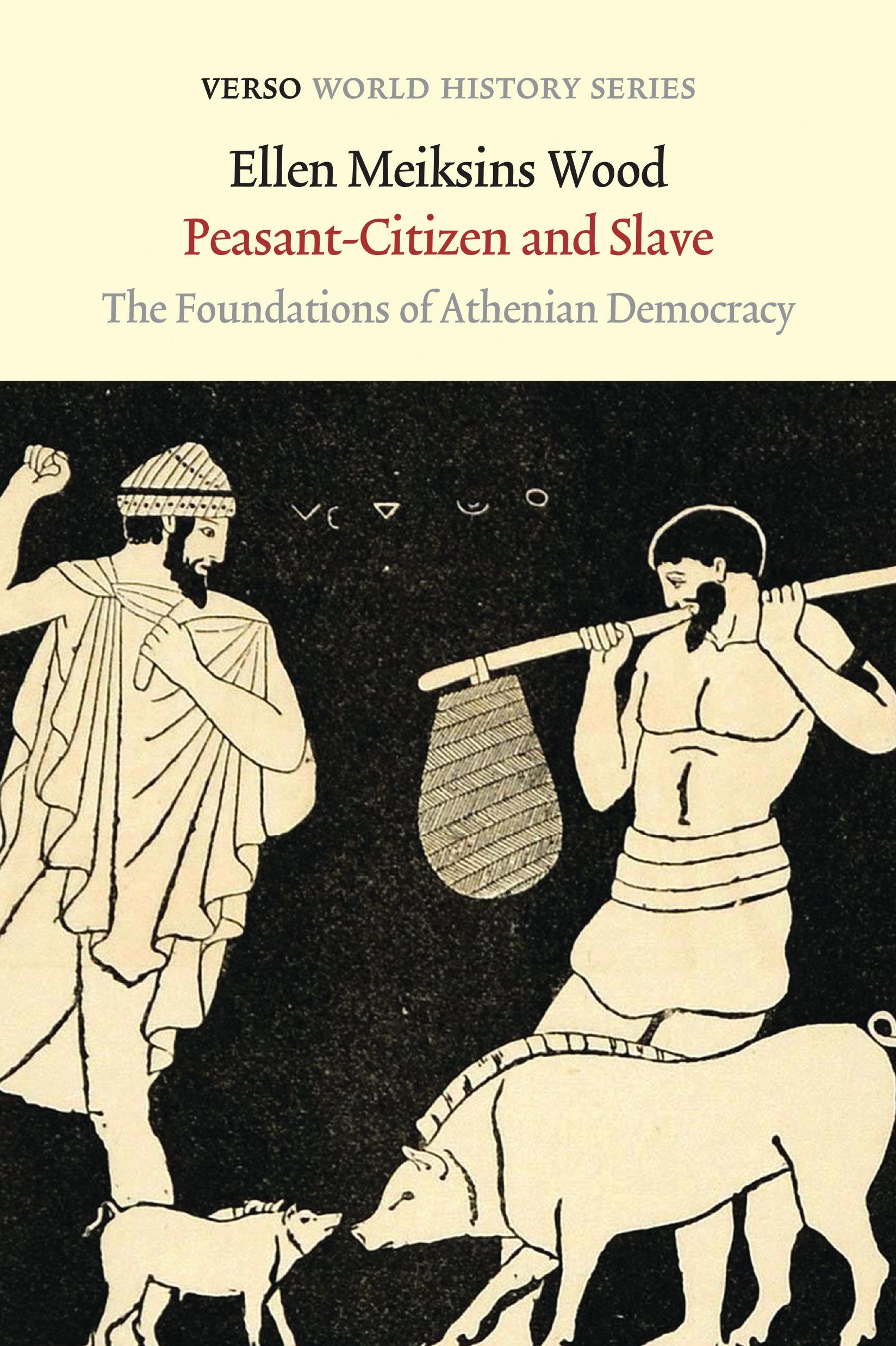
The controversial thesis at the center of this study is that, despite the importance of slavery in Athenian society, the most distinctive characteristic of Athenian democracy was the unprecedented prominence it gave to free labor. Wood argues that the emergence of the peasant as citizen, juridically and politically independent, accounts for much that is remarkable in Athenian political institutions and culture.
From a survey of historical writings of the eighteenth and nineteenth centuries, the focus of which distorted later debates, Wood goes on to take issue with recent arguments, such as those of G.E.M. de Ste Croix, about the importance of slavery in agricultural production. The social, political and cultural influence of the peasant-citizen is explored in a way which questions some of the most cherished conventions of Marxist and non-Marxist historiography.
From a survey of historical writings of the eighteenth and nineteenth centuries, the focus of which distorted later debates, Wood goes on to take issue with recent arguments, such as those of G.E.M. de Ste Croix, about the importance of slavery in agricultural production. The social, political and cultural influence of the peasant-citizen is explored in a way which questions some of the most cherished conventions of Marxist and non-Marxist historiography.
Płać wygodnie kartą, Klarną, Apple Pay lub Google Pay. Nie jesteś zadowolony? Zawsze masz 14-dniową gwarancję zwrotu pieniędzy. Więcej przeczytasz w naszych warunkach. Masz pytania? Napisz do nas na hello@memmo.org.
Memmo ułatwia naukę – gdziekolwiek jesteś na świecie. U nas znajdziesz podręczniki i sprytne narzędzia do nauki w jednym miejscu: streszczenia, quizy, podcasty i fiszki. A do tego Ted, Twój kumpel do nauki, który odpowie na wszystko, co Cię nurtuje. Ponad 50 000 studentów już tu się uczy – stworzone, byś uczył się szybciej i mniej stresował.
Może Ci się spodobać
Kup książkę0