
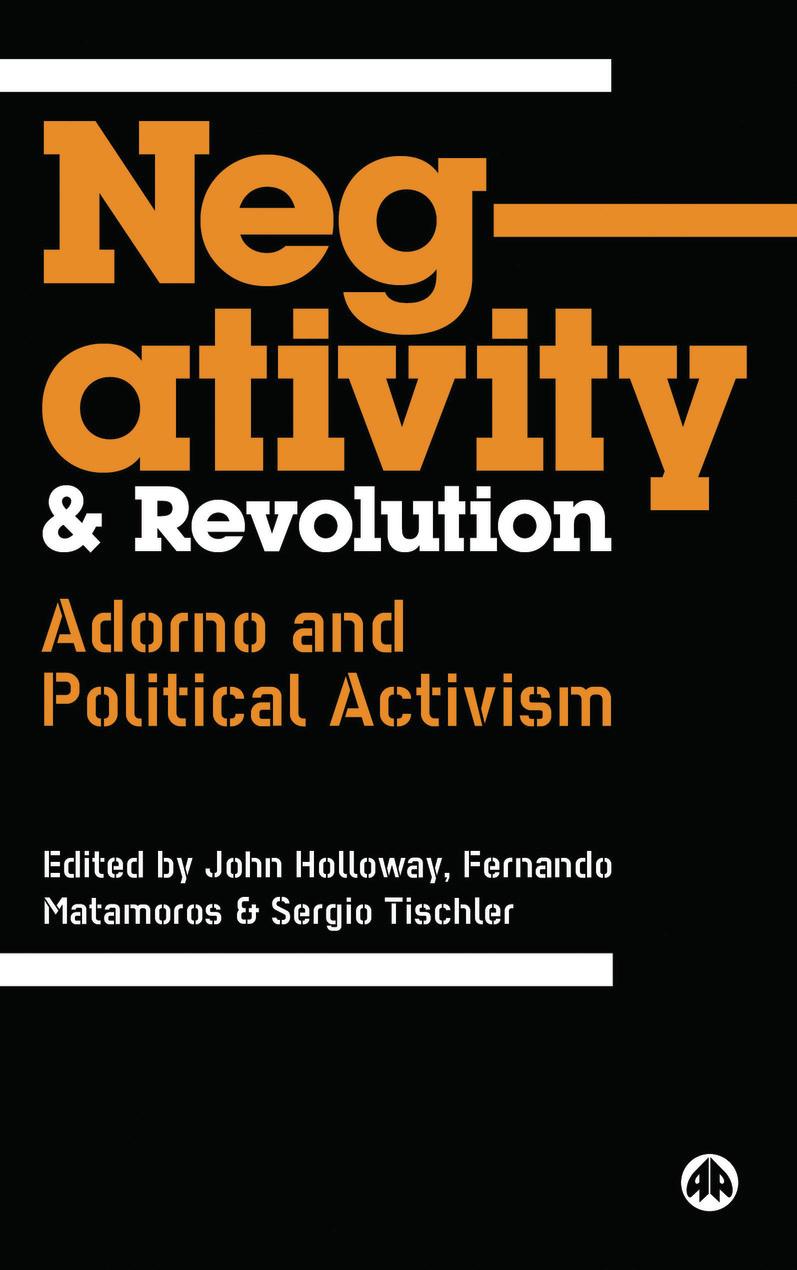
How can activists combat the political paralysis that characterises the anti-dialectical Marxism of Foucault, Derrida and Deleuze, without reverting to a dogmatic orthodoxy? This book explores solutions in the 'negative dialectics' of Theodor Adorno.
The poststructuralist shift from dialectics to 'difference' has been so popular that it becomes difficult to create meaningful revolutionary responses to neoliberalism. The contributors to this volume come from within the anti-capitalist movement, and close to the concerns expressed in Negri and Hardt's Empire and Multitude. However, they argue forcefully and persuasively for a return to dialectics so a real-world, radical challenge to the current order can be constructed.
This is a passionate call to arms for the anti-capitalist movement. It should be read by all engaged activists and students of political and critical theory.
The poststructuralist shift from dialectics to 'difference' has been so popular that it becomes difficult to create meaningful revolutionary responses to neoliberalism. The contributors to this volume come from within the anti-capitalist movement, and close to the concerns expressed in Negri and Hardt's Empire and Multitude. However, they argue forcefully and persuasively for a return to dialectics so a real-world, radical challenge to the current order can be constructed.
This is a passionate call to arms for the anti-capitalist movement. It should be read by all engaged activists and students of political and critical theory.
Płać wygodnie kartą, Klarną, Apple Pay lub Google Pay. Nie jesteś zadowolony? Zawsze masz 14-dniową gwarancję zwrotu pieniędzy. Więcej przeczytasz w naszych warunkach. Masz pytania? Napisz do nas na hello@memmo.org.
Memmo ułatwia naukę – gdziekolwiek jesteś na świecie. U nas znajdziesz podręczniki i sprytne narzędzia do nauki w jednym miejscu: streszczenia, quizy, podcasty i fiszki. A do tego Ted, Twój kumpel do nauki, który odpowie na wszystko, co Cię nurtuje. Ponad 50 000 studentów już tu się uczy – stworzone, byś uczył się szybciej i mniej stresował.
Może Ci się spodobać
Kup książkę0