
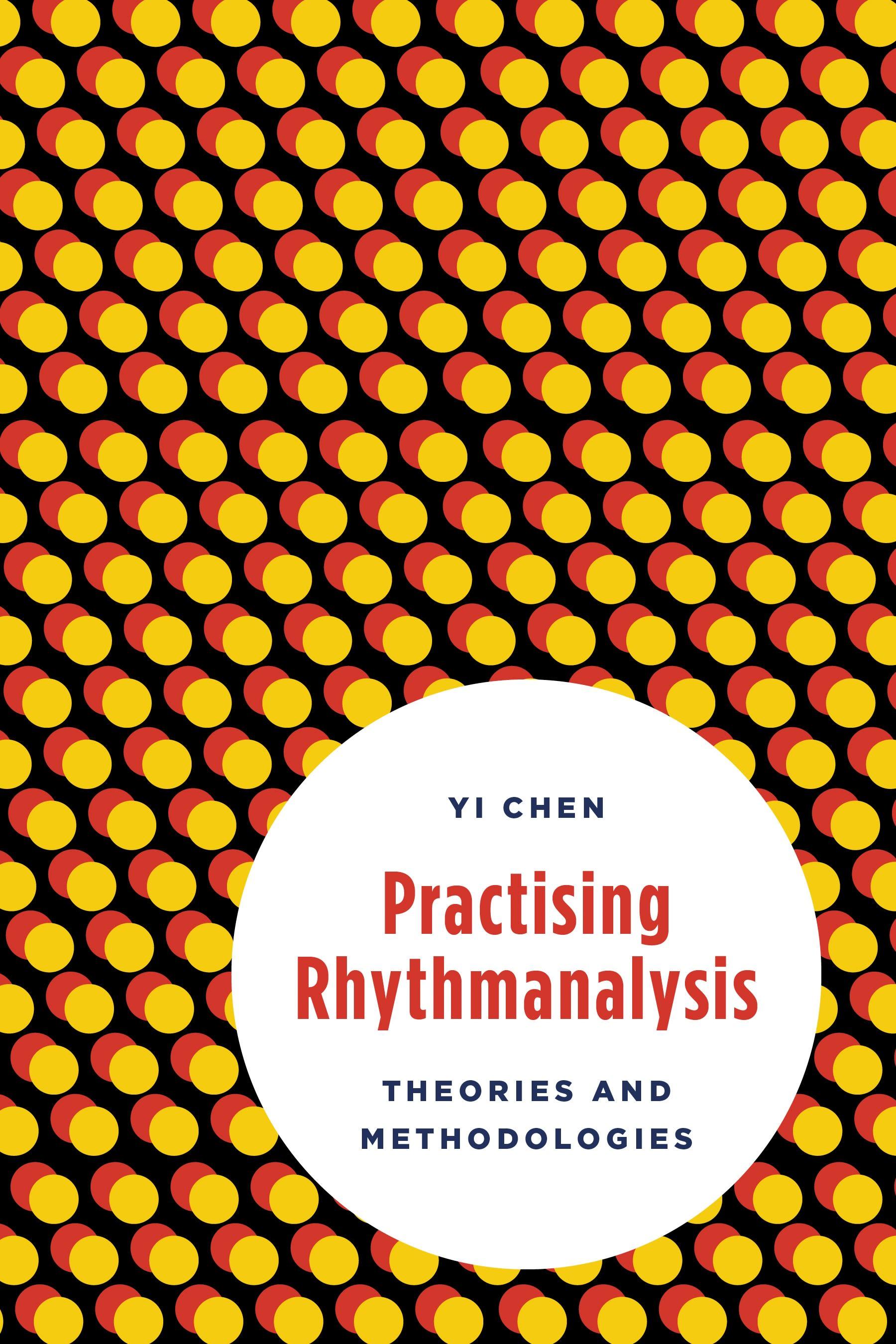
This book explores rhythmanalysis as a philosophy and as a research method for the study of cultural historical experiences. It formulates 'rhythm' as a critical concept which is defined in dialogic relationships to intellectual traditions, yet introducing unique philosophical positions that serve to re-think ways of conceiving and addressing cultural political issues.
Engaging with the notion of 'conjunctural shift', which for Stuart Hall captures the ruptured social landscape of Britain in the 1970s, the book then puts the method of rhythmanalysis to work by testifying the changing cultural experiences in rhythmic terms. This particular rhythmanalytical project instantiates while opening up ways of using rhythmanalysis for exploring cultural historical experiences.
Engaging with the notion of 'conjunctural shift', which for Stuart Hall captures the ruptured social landscape of Britain in the 1970s, the book then puts the method of rhythmanalysis to work by testifying the changing cultural experiences in rhythmic terms. This particular rhythmanalytical project instantiates while opening up ways of using rhythmanalysis for exploring cultural historical experiences.
Płać wygodnie kartą, Klarną, Apple Pay lub Google Pay. Nie jesteś zadowolony? Zawsze masz 14-dniową gwarancję zwrotu pieniędzy. Więcej przeczytasz w naszych warunkach. Masz pytania? Napisz do nas na hello@memmo.org.
Memmo ułatwia naukę – gdziekolwiek jesteś na świecie. U nas znajdziesz podręczniki i sprytne narzędzia do nauki w jednym miejscu: streszczenia, quizy, podcasty i fiszki. A do tego Ted, Twój kumpel do nauki, który odpowie na wszystko, co Cię nurtuje. Ponad 50 000 studentów już tu się uczy – stworzone, byś uczył się szybciej i mniej stresował.