
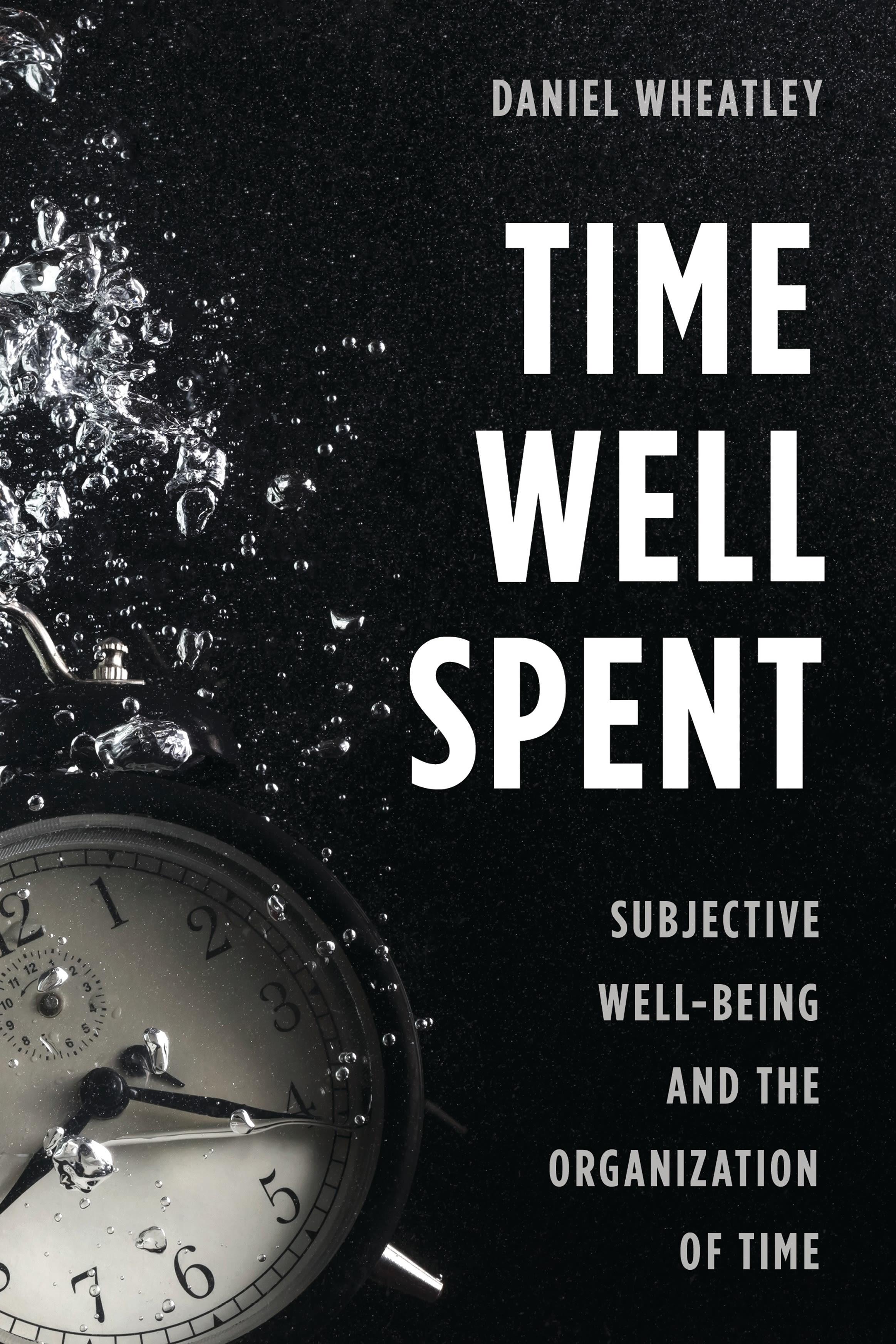
Measuring quality of life has been identified as fundamental in assessing the relative progress of societies and as having relevance for both monitoring and policy-making purposes. Self-reported measures of well-being, referred to as subjective well-being, have become increasingly topical given the growing awareness of the limitations of existing measures of well-being including gross domestic product (GDP). In the UK, the ONS’s ‘Happiness Index’ was launched in 2010 by Prime Minister David Cameron.
This book aims to improve our understanding of well-being through an analysis of time-use in a post-industrial society, the UK, drawing on empirical data from large-scale surveys such as Understanding Society and smaller-scale case study evidence. It uses a plurality of theoretical perspectives to explore the relationship between our use of time and our reported levels of satisfaction, and considers the policy lessons that we can take from our organization of time.
This book aims to improve our understanding of well-being through an analysis of time-use in a post-industrial society, the UK, drawing on empirical data from large-scale surveys such as Understanding Society and smaller-scale case study evidence. It uses a plurality of theoretical perspectives to explore the relationship between our use of time and our reported levels of satisfaction, and considers the policy lessons that we can take from our organization of time.
Płać wygodnie kartą, Klarną, Apple Pay lub Google Pay. Nie jesteś zadowolony? Zawsze masz 14-dniową gwarancję zwrotu pieniędzy. Więcej przeczytasz w naszych warunkach. Masz pytania? Napisz do nas na hello@memmo.org.
Memmo ułatwia naukę – gdziekolwiek jesteś na świecie. U nas znajdziesz podręczniki i sprytne narzędzia do nauki w jednym miejscu: streszczenia, quizy, podcasty i fiszki. A do tego Ted, Twój kumpel do nauki, który odpowie na wszystko, co Cię nurtuje. Ponad 50 000 studentów już tu się uczy – stworzone, byś uczył się szybciej i mniej stresował.