
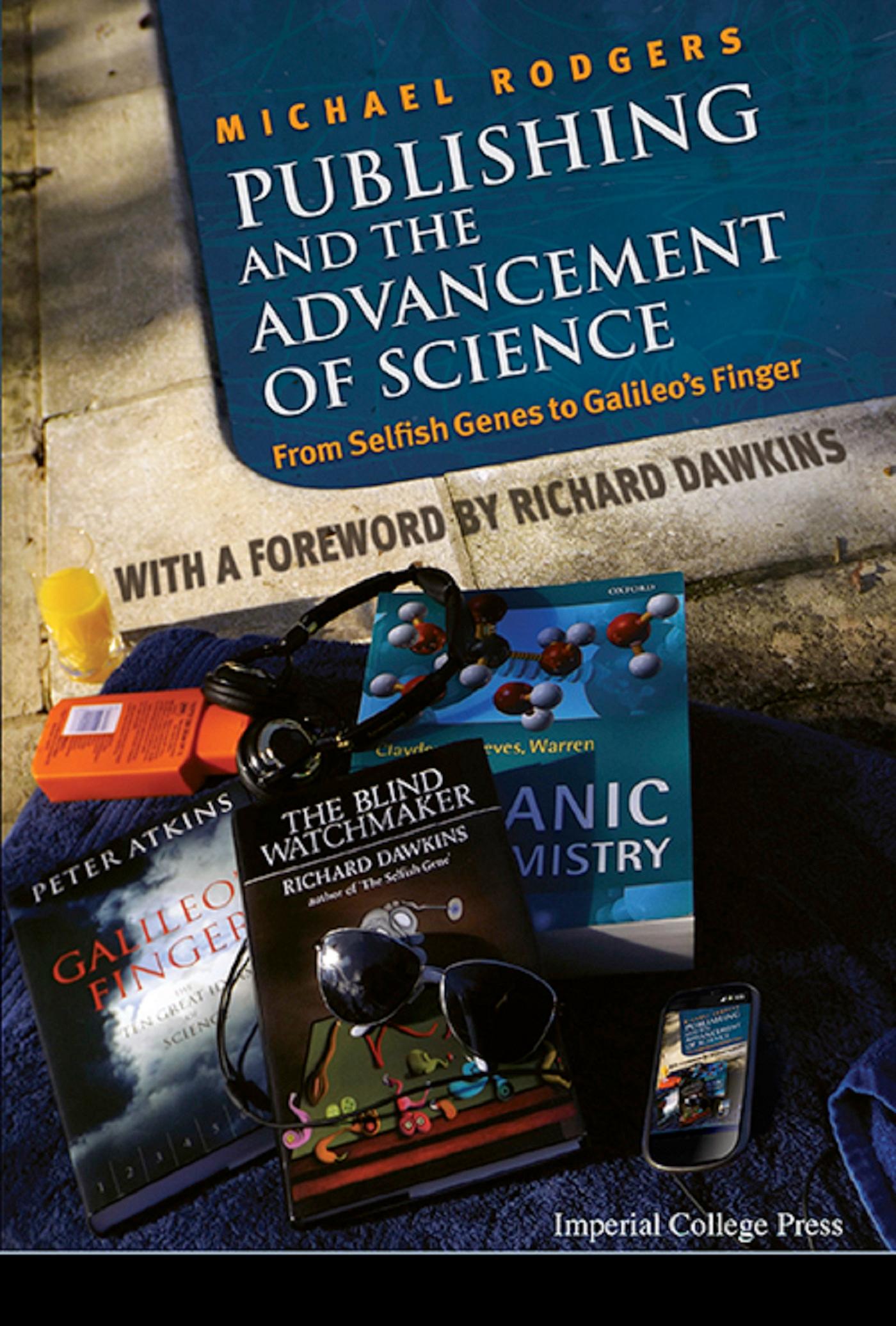
Popular science books, selling in their thousands — even millions — help us appreciate breakthroughs in understanding the natural world, while highlighting the cultural importance of scientific knowledge. Textbooks bring these same advances to students; the scientists of tomorrow. But how do these books come about? And why are some of them so spectacularly successful?This is the first ever insider's account of science publishing, written by an editor intimately involved in the publication of some of the most famous bestsellers in the field. Michael Rodgers reveals the stories behind these extraordinary books, providing a behind-the-scenes view of the world of books, authors and ideas. These vivid and engaging narratives illuminate not only the challenges of writing about science, but also how publishing itself works and the creative collaboration between authors and editors that lies at its heart.The book (like many of those it describes) is intended for a wide readership. It will interest people in publishing, past and present, and also academics and students on publishing courses. Scientists exploring territories outside their own speciality will enjoy it, while there is invaluable advice for those planning their first popular book or textbook. It will also appeal to readers with a humanities background who, finding the concepts of science intriguing, want to know more about how they are developed and communicated.
Płać wygodnie kartą, Klarną, Apple Pay lub Google Pay. Nie jesteś zadowolony? Zawsze masz 14-dniową gwarancję zwrotu pieniędzy. Więcej przeczytasz w naszych warunkach. Masz pytania? Napisz do nas na hello@memmo.org.
Memmo ułatwia naukę – gdziekolwiek jesteś na świecie. U nas znajdziesz podręczniki i sprytne narzędzia do nauki w jednym miejscu: streszczenia, quizy, podcasty i fiszki. A do tego Ted, Twój kumpel do nauki, który odpowie na wszystko, co Cię nurtuje. Ponad 50 000 studentów już tu się uczy – stworzone, byś uczył się szybciej i mniej stresował.
Może Ci się spodobać
Kup książkę0