
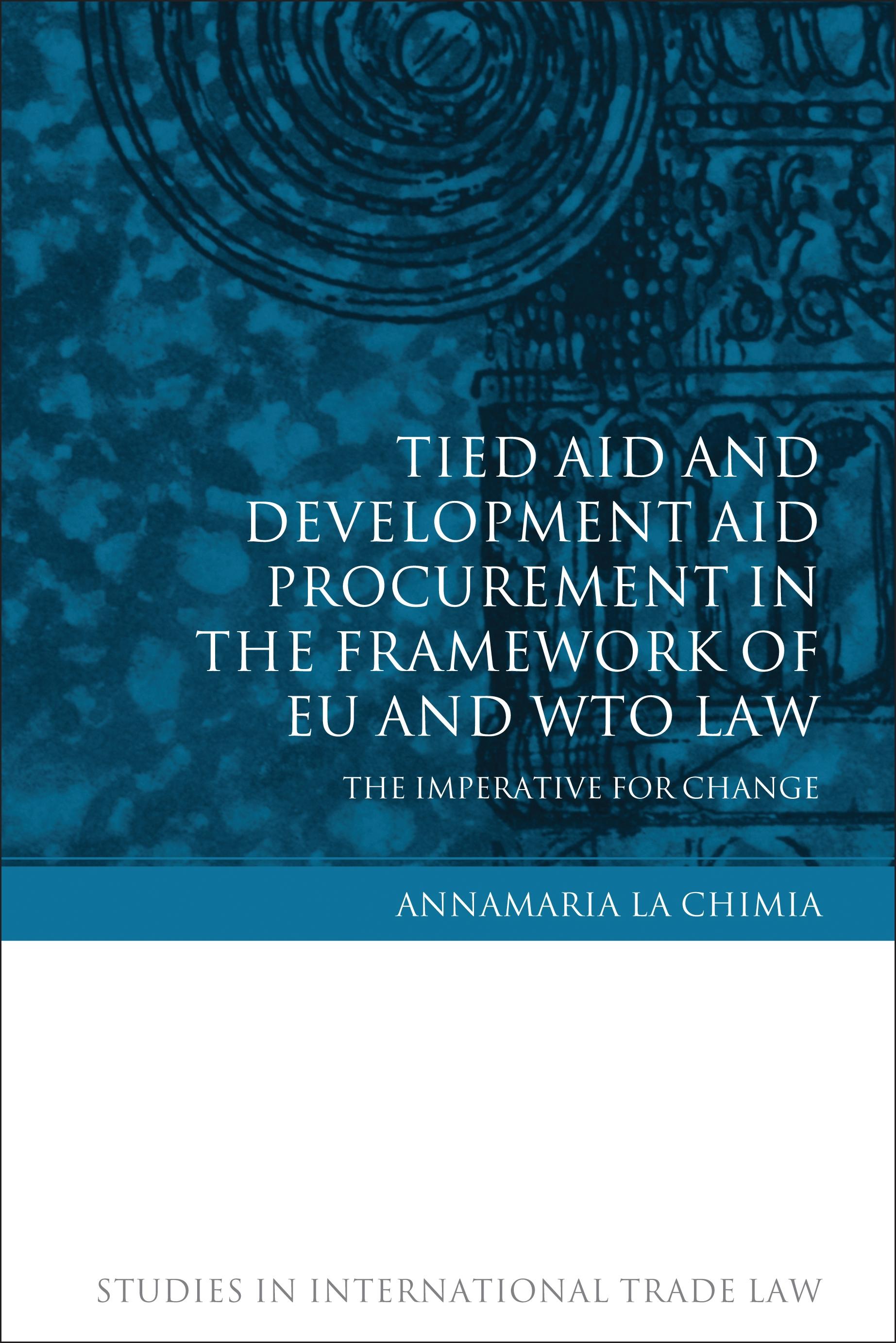
This book is the first legal treatment of tied aid and examines in detail the compatibility of tied aid with EU and WTO law. The workings of the aid projects and aid procurement systems of donor countries granting bilateral aid are fully examined through case studies from the UK, Italy, the EU and the US.
Tied aid refers to aid granted to developing countries on condition that goods and services for the aid-financed projects are purchased from the donor country only. The recipient country, in order to receive the grant or the loan, has no other choice but to fulfil the condition imposed by the donor. Economists have shown that tying aid undermines the effectiveness of aid. It leads to higher costs paid for the goods and services purchased and the distortion of the nature of the aid. Further, tying frustrates the potential of aid to foster trade between developing countries - in many of these countries public bodies and, in particular, aid-financed projects are major potential outlets for trade between neighbouring states. The importance of tied aid has been pointed out in economic literature but there is surprisingly little written on the legal aspects of tied aid practices and this book seeks to fill this major gap in the literature.
The book is of interest to academics in the field of EU and WTO law, NGOs and practitioners working both in the field of public procurement and development policies.
Tied aid refers to aid granted to developing countries on condition that goods and services for the aid-financed projects are purchased from the donor country only. The recipient country, in order to receive the grant or the loan, has no other choice but to fulfil the condition imposed by the donor. Economists have shown that tying aid undermines the effectiveness of aid. It leads to higher costs paid for the goods and services purchased and the distortion of the nature of the aid. Further, tying frustrates the potential of aid to foster trade between developing countries - in many of these countries public bodies and, in particular, aid-financed projects are major potential outlets for trade between neighbouring states. The importance of tied aid has been pointed out in economic literature but there is surprisingly little written on the legal aspects of tied aid practices and this book seeks to fill this major gap in the literature.
The book is of interest to academics in the field of EU and WTO law, NGOs and practitioners working both in the field of public procurement and development policies.
Płać wygodnie kartą, Klarną, Apple Pay lub Google Pay. Nie jesteś zadowolony? Zawsze masz 14-dniową gwarancję zwrotu pieniędzy. Więcej przeczytasz w naszych warunkach. Masz pytania? Napisz do nas na hello@memmo.org.
Memmo ułatwia naukę – gdziekolwiek jesteś na świecie. U nas znajdziesz podręczniki i sprytne narzędzia do nauki w jednym miejscu: streszczenia, quizy, podcasty i fiszki. A do tego Ted, Twój kumpel do nauki, który odpowie na wszystko, co Cię nurtuje. Ponad 50 000 studentów już tu się uczy – stworzone, byś uczył się szybciej i mniej stresował.