
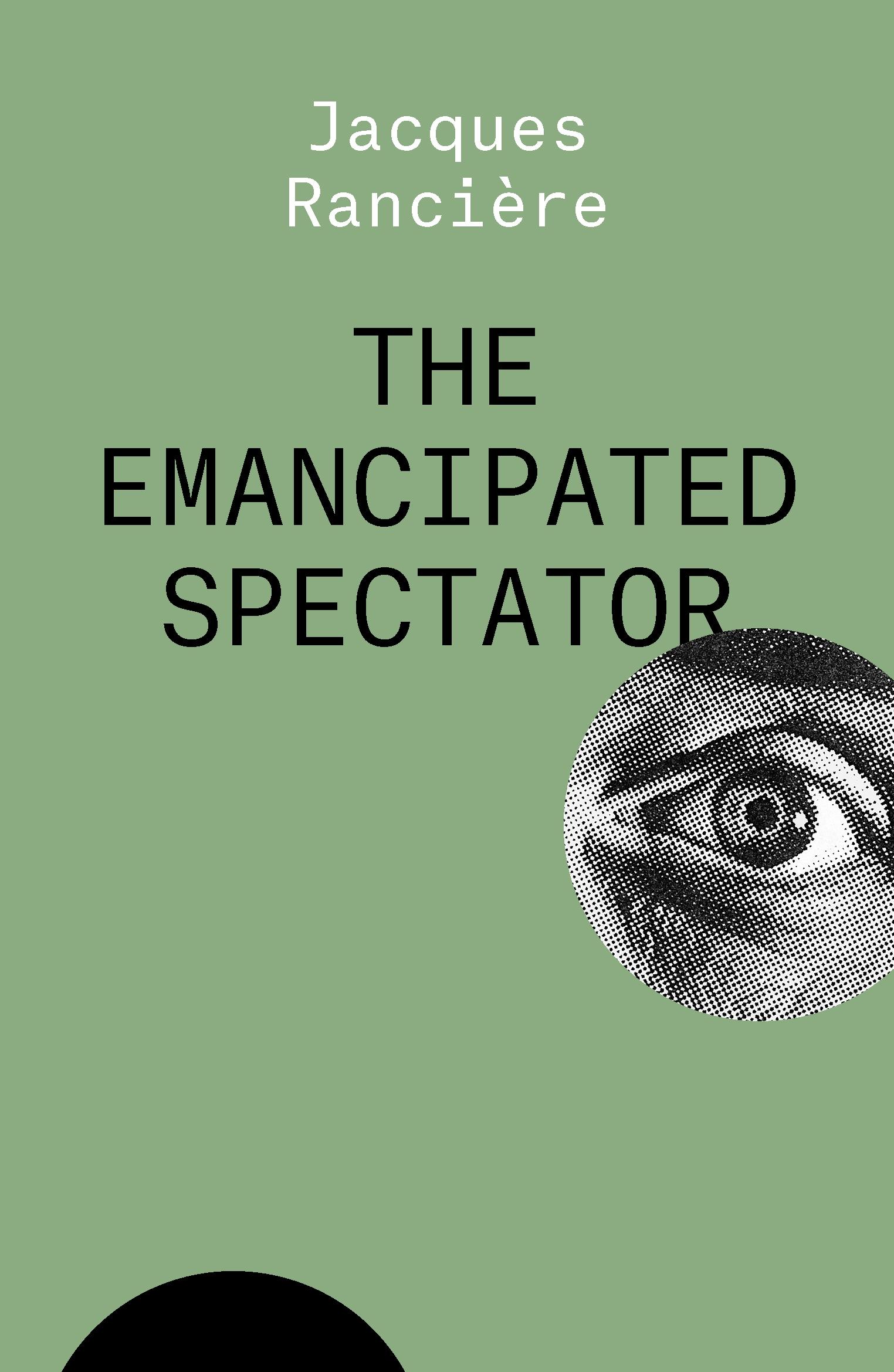
The theorists of art and film commonly depict the modern audience as aesthetically and politically passive. In response, both artists and thinkers have sought to transform the spectator into an active agent and the spectacle into a communal performance.
In this follow-up to the acclaimed The Future of the Image, Ranci�re takes a radically different approach to this attempted emancipation. First asking exactly what we mean by political art or the politics of art, he goes on to look at what the tradition of critical art, and the desire to insert art into life, has achieved. Has the militant critique of the consumption of images and commodities become, ironically, a sad affirmation of its omnipotence?
In this follow-up to the acclaimed The Future of the Image, Ranci�re takes a radically different approach to this attempted emancipation. First asking exactly what we mean by political art or the politics of art, he goes on to look at what the tradition of critical art, and the desire to insert art into life, has achieved. Has the militant critique of the consumption of images and commodities become, ironically, a sad affirmation of its omnipotence?
Płać wygodnie kartą, Klarną, Apple Pay lub Google Pay. Nie jesteś zadowolony? Zawsze masz 14-dniową gwarancję zwrotu pieniędzy. Więcej przeczytasz w naszych warunkach. Masz pytania? Napisz do nas na hello@memmo.org.
Memmo ułatwia naukę – gdziekolwiek jesteś na świecie. U nas znajdziesz podręczniki i sprytne narzędzia do nauki w jednym miejscu: streszczenia, quizy, podcasty i fiszki. A do tego Ted, Twój kumpel do nauki, który odpowie na wszystko, co Cię nurtuje. Ponad 50 000 studentów już tu się uczy – stworzone, byś uczył się szybciej i mniej stresował.
Może Ci się spodobać
Kup książkę0