
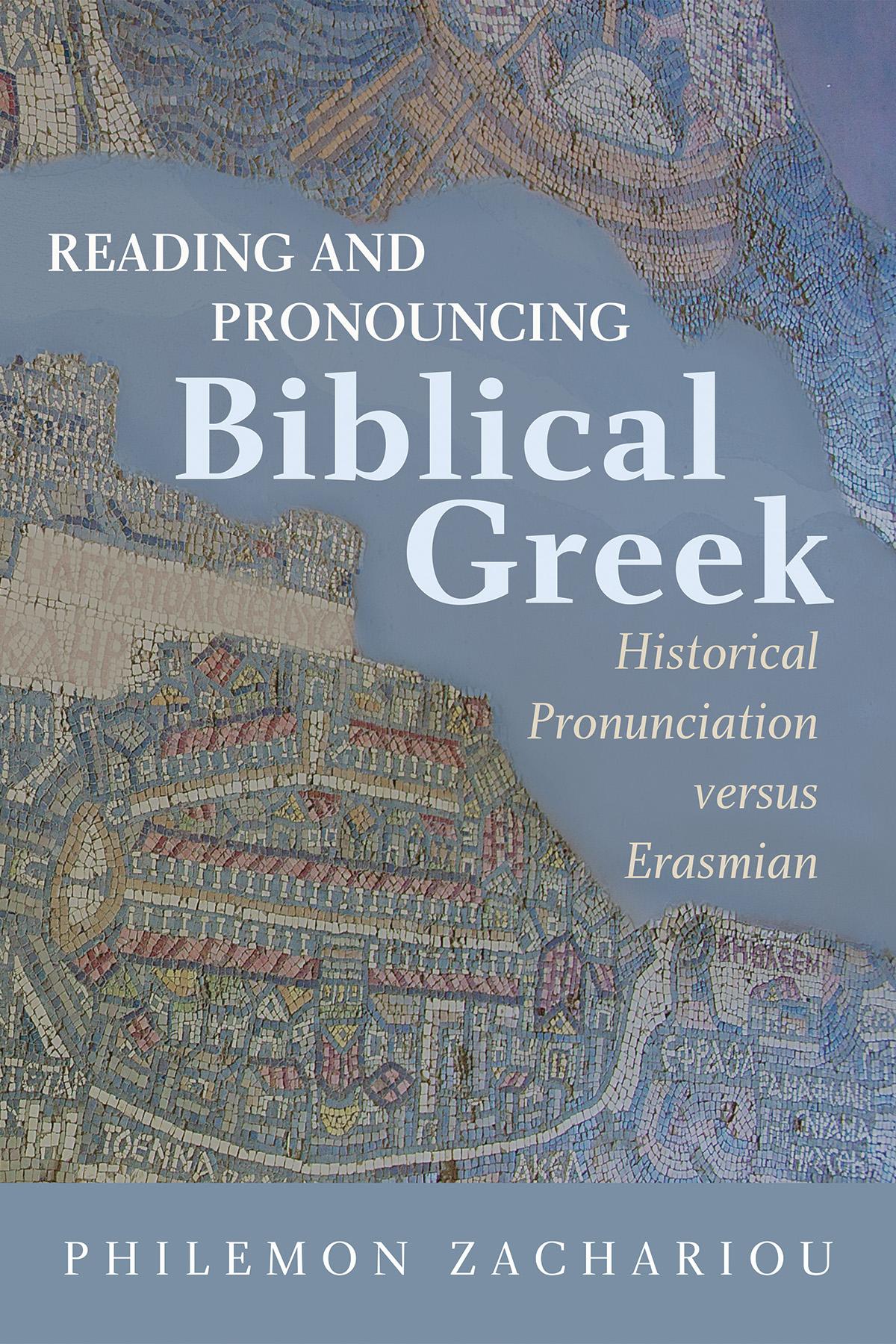
This book invites you to see not only how Hellenistic Koine ought to be pronounced but also why. Rigorously investigating the history of Greek orthography and sounds from classical times to the present, the author places linguistic findings on one side of the scale and related events on the other. The result is a balance between the evidence of the historical Greek sounds in Koine and pre-Koine times, and the political events that derailed those sounds as they were being transported through Europe's Renaissance academia and replaced them with Erasmian.
This book argues for a return to the historical Greek sounds now preserved in Neohellenic (Modern Greek) as a step toward mending the Erasmian dichotomy that rendered post-Koine Greek irrelevant to New Testament Greek studies. The goal is a holistic and diachronic application of the Hellenic language and literature to illume exegetically the Greek text, as the New Testament contains numerous features that have close affinity with Neohellenic and should not be left unexplored.
Płać wygodnie kartą, Klarną, Apple Pay lub Google Pay. Nie jesteś zadowolony? Zawsze masz 14-dniową gwarancję zwrotu pieniędzy. Więcej przeczytasz w naszych warunkach. Masz pytania? Napisz do nas na hello@memmo.org.
Memmo ułatwia naukę – gdziekolwiek jesteś na świecie. U nas znajdziesz podręczniki i sprytne narzędzia do nauki w jednym miejscu: streszczenia, quizy, podcasty i fiszki. A do tego Ted, Twój kumpel do nauki, który odpowie na wszystko, co Cię nurtuje. Ponad 50 000 studentów już tu się uczy – stworzone, byś uczył się szybciej i mniej stresował.
Może Ci się spodobać
Kup książkę0