
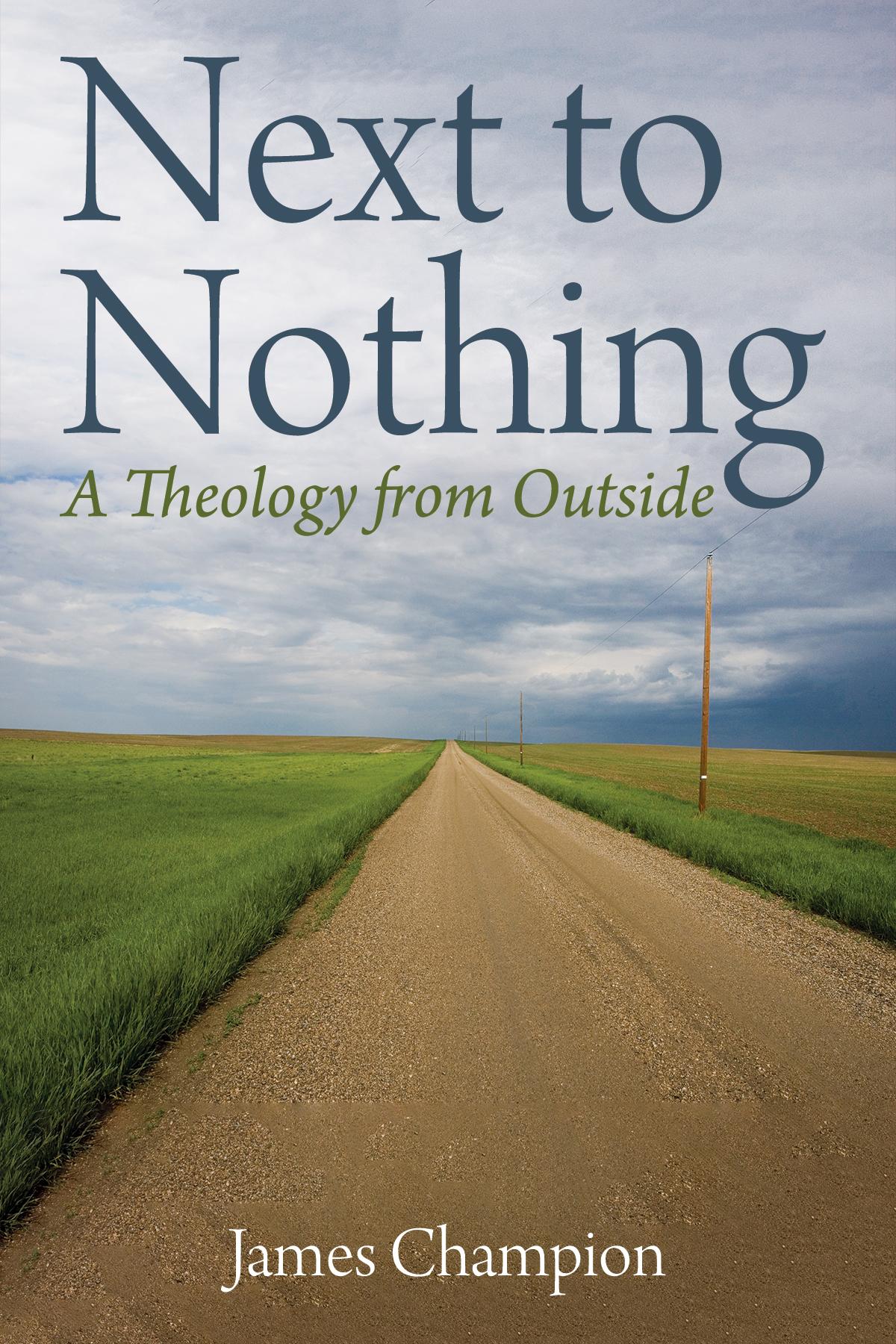
A lesser-known tradition in theology--the apophatic--has resurfaced in our time. Simply stated, this tradition has long recognized that discussion of what God is not is central to theological discernment. The apophatic emphasis on giving the negative its due has been rediscovered and enlarged today in several ways. Above all, this theological orientation warrants our radical questioning and honors the importance of doubt. It also leads us to greater awareness of our hidden fears of loss and of the costs of our unconscious flight from death. At the same time, it can open the door to new perceptions of what lay persons--as well as theologians such as Eckhart and Tillich--have understood as our deepest relationship to the God beyond God. This development is significant for those in progressive faith communities, for those who call themselves "spiritual but not religious," and those who assume that religion and spirituality have no place in their lives.
Płać wygodnie kartą, Klarną, Apple Pay lub Google Pay. Nie jesteś zadowolony? Zawsze masz 14-dniową gwarancję zwrotu pieniędzy. Więcej przeczytasz w naszych warunkach. Masz pytania? Napisz do nas na hello@memmo.org.
Memmo ułatwia naukę – gdziekolwiek jesteś na świecie. U nas znajdziesz podręczniki i sprytne narzędzia do nauki w jednym miejscu: streszczenia, quizy, podcasty i fiszki. A do tego Ted, Twój kumpel do nauki, który odpowie na wszystko, co Cię nurtuje. Ponad 50 000 studentów już tu się uczy – stworzone, byś uczył się szybciej i mniej stresował.
Może Ci się spodobać
Kup książkę0