
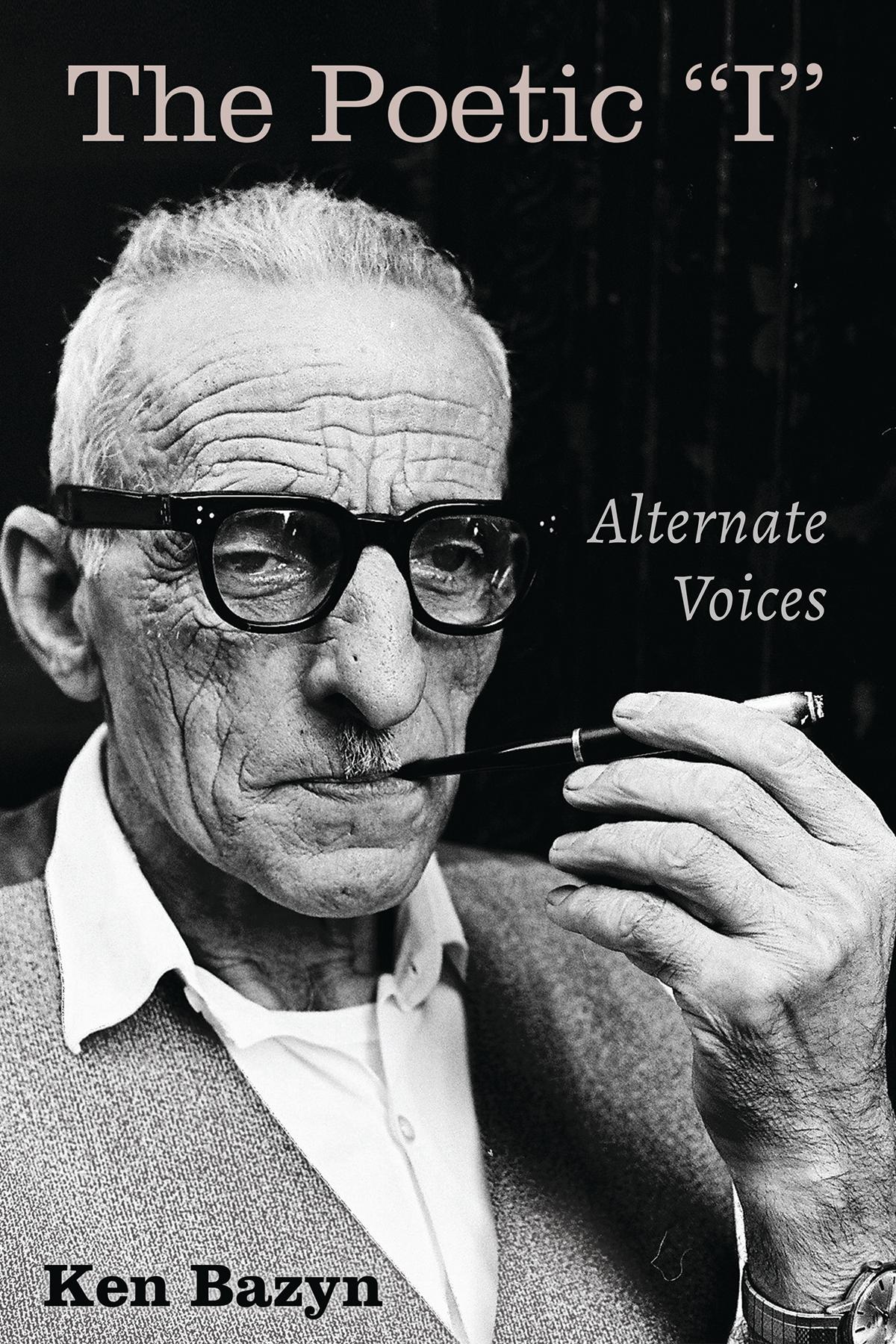
One should never assume that the narrator in a poem is expressing views identical to the author's. "For words, like Nature, half reveal / And half conceal the Soul within," wrote Tennyson. Autobiographical elements tend to be so mixed in with the fictional that lines blur.
Bazyn's revolving carousel of poetic "I's" includes an egotist who makes fun of his arrogance; a baby confused by his wobbly surroundings; the simple joys of a childhood Christmas; youth's dilemma at forging a vocation; the peculiar circumstances surrounding one's first love; reminiscences of a recent class reunion; a period of self-examination following the death of a neighbor; anxiously awaiting a monogrammed invitation; lessons gleaned from closely inspecting nature; exhibiting faith in a secular metropolis; dreaming of a technician's utopia; and the frailty and ragged edges of old age.
The narrator is, by turns, nostalgic, uneasy, speculative, forlorn, elated, discombobulated--representing, as he does, different stages of life, personality types, and psychological moods. Bazyn's language can be mysterious, his sentences follow a winding course, his stanzas end abruptly. Bewitching black-and-white photos accent and enhance each poem's metaphors. As you gaze into this verbal/visual mirror, likenesses of the hidden self emerge and take on unexpected shapes.
Płać wygodnie kartą, Klarną, Apple Pay lub Google Pay. Nie jesteś zadowolony? Zawsze masz 14-dniową gwarancję zwrotu pieniędzy. Więcej przeczytasz w naszych warunkach. Masz pytania? Napisz do nas na hello@memmo.org.
Memmo ułatwia naukę – gdziekolwiek jesteś na świecie. U nas znajdziesz podręczniki i sprytne narzędzia do nauki w jednym miejscu: streszczenia, quizy, podcasty i fiszki. A do tego Ted, Twój kumpel do nauki, który odpowie na wszystko, co Cię nurtuje. Ponad 50 000 studentów już tu się uczy – stworzone, byś uczył się szybciej i mniej stresował.
Może Ci się spodobać
Kup książkę0