
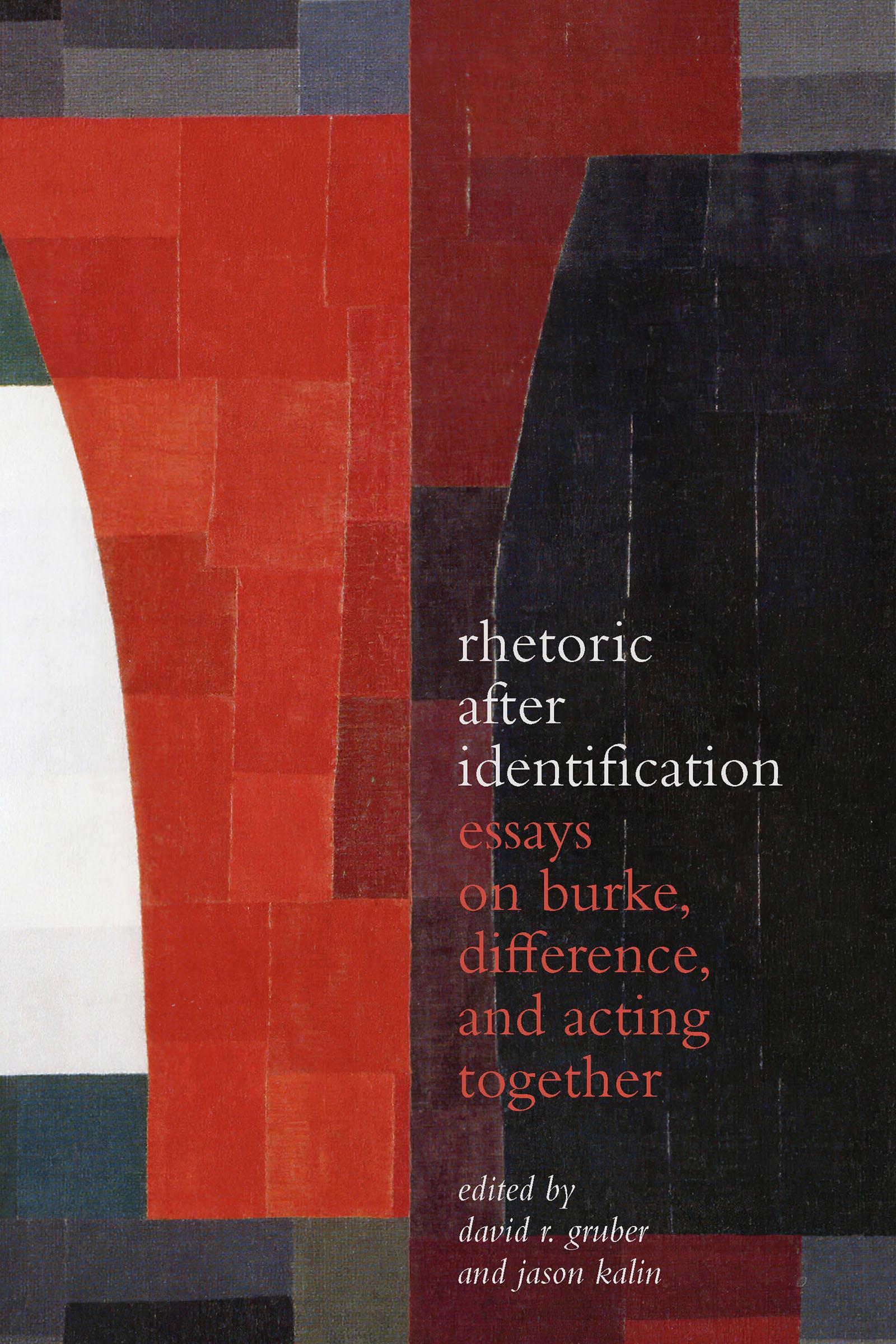
How can we act together when identification may no longer bridge the divide?
Since the publication of Kenneth Burke's A Rhetoric of Motives (1950), identification has been the central concept of rhetorical theory. Rhetoric After Identification offers new theoretical frameworks for engaging with and letting go of identification—to see difference as dignity and consider how we are never fully understandable to one another yet can work toward making worlds in common. The volume confronts the primacy of identification through a variety of interdisciplinary lenses, drawing on affect and body studies, new materialisms, and decolonial philosophies. Challenging the assumption that identifying with one another is necessary to cooperation, contributors interrogate how the pursuit of "sameness" can perpetuate inequalities. In doing so, they do not abandon the potential for affective and symbolic identification; instead, they multiply the generative force of difference.
Contributors: Matthew Brigham, Catherine Chaput, Donovan Conley, Diane Davis, Matthew Halm, Chris Ingraham, J. G. Izaguirre III, Chris Mays, Kaden Milliren, Megan Poole, Krista Ratcliffe
Płać wygodnie kartą, Klarną, Apple Pay lub Google Pay. Nie jesteś zadowolony? Zawsze masz 14-dniową gwarancję zwrotu pieniędzy. Więcej przeczytasz w naszych warunkach. Masz pytania? Napisz do nas na hello@memmo.org.
Memmo ułatwia naukę – gdziekolwiek jesteś na świecie. U nas znajdziesz podręczniki i sprytne narzędzia do nauki w jednym miejscu: streszczenia, quizy, podcasty i fiszki. A do tego Ted, Twój kumpel do nauki, który odpowie na wszystko, co Cię nurtuje. Ponad 50 000 studentów już tu się uczy – stworzone, byś uczył się szybciej i mniej stresował.