
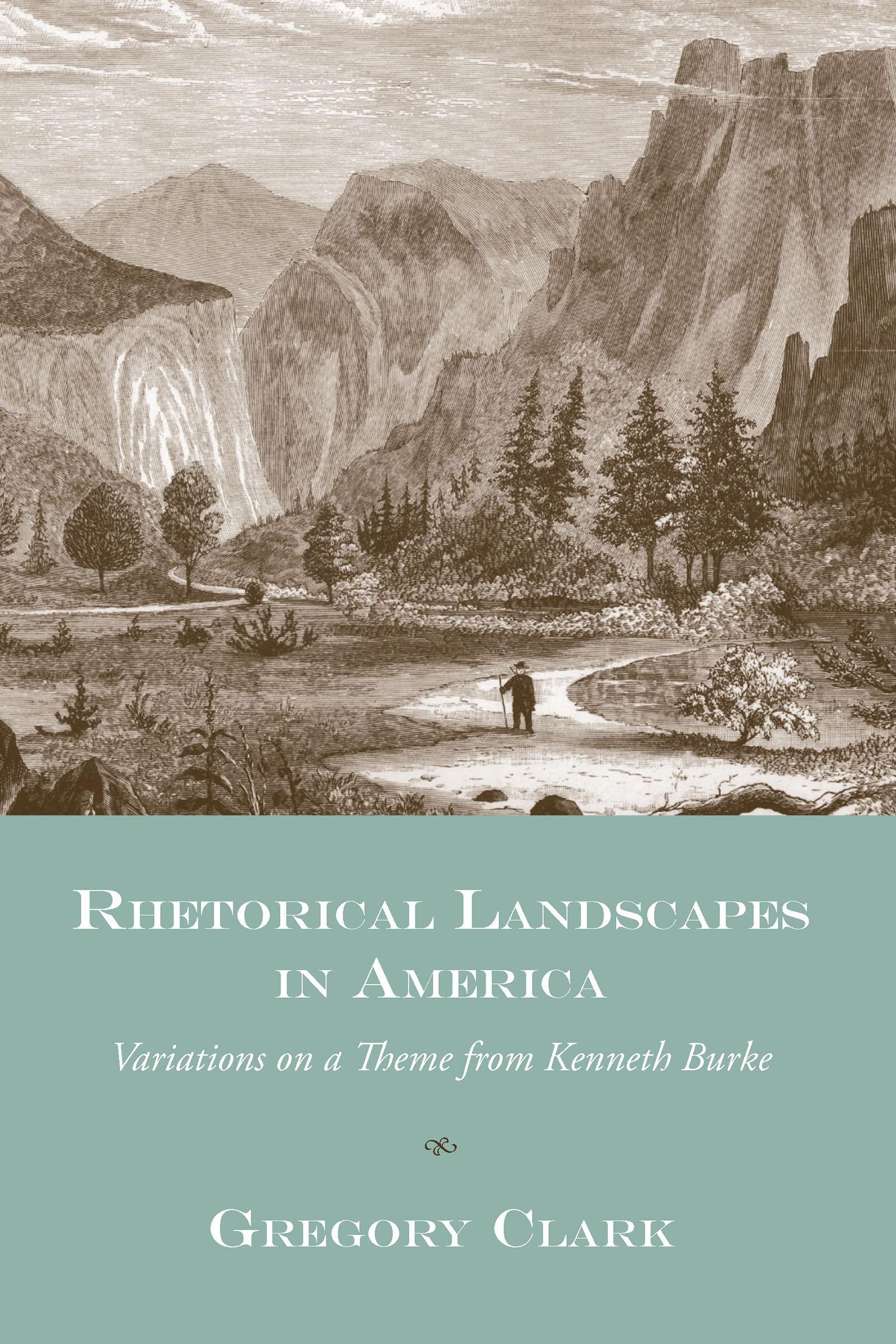
A panoramic explanation of "civic tourism" and the shaping of a national identity
At the same time a reading of Kenneth Burke and of tourist landscapes in America, Gregory Clark's new study explores the rhetorical power connected with American tourism. Looking specifically at a time when citizens of the United States first took to rail and then highway to become sightseers in their own country, Clark traces the rhetorical function of a wide-ranging set of tourist experiences. He explores how the symbolic experiences Americans share as tourists have helped residents of a vast and diverse nation adopt a national identity. In doing so he suggests that the rhetorical power of a national culture is wielded not only by public discourse but also by public experiences.
Clark examines places in the American landscape that have facilitated such experiences, including New York City, Shaker villages, Yellowstone National Park, the Lincoln Highway, San Francisco's 1915 Panama-Pacific International Exposition, and the Grand Canyon. He examines the rhetorical power of these sites to transform private individuals into public citizens, and he evaluates a national culture that teaches Americans to experience certain places as potent symbols of national community.
Invoking Burke's concept of "identification" to explain such rhetorical encounters, Clark considers Burke's lifelong study of symbols—linguistic and otherwise—and their place in the construction and transformation of individual identity. Clark turns to Burke's work to expand our awareness of the rhetorical resources that lead individuals within a community to adopt a collective identity, and he considers the implications of nineteenth- and twentieth-century tourism for both visual rhetoric and the rhetoric of display.
Płać wygodnie kartą, Klarną, Apple Pay lub Google Pay. Nie jesteś zadowolony? Zawsze masz 14-dniową gwarancję zwrotu pieniędzy. Więcej przeczytasz w naszych warunkach. Masz pytania? Napisz do nas na hello@memmo.org.
Memmo ułatwia naukę – gdziekolwiek jesteś na świecie. U nas znajdziesz podręczniki i sprytne narzędzia do nauki w jednym miejscu: streszczenia, quizy, podcasty i fiszki. A do tego Ted, Twój kumpel do nauki, który odpowie na wszystko, co Cię nurtuje. Ponad 50 000 studentów już tu się uczy – stworzone, byś uczył się szybciej i mniej stresował.