
An award-winning study of how formal and informal public discourse shapes opinions
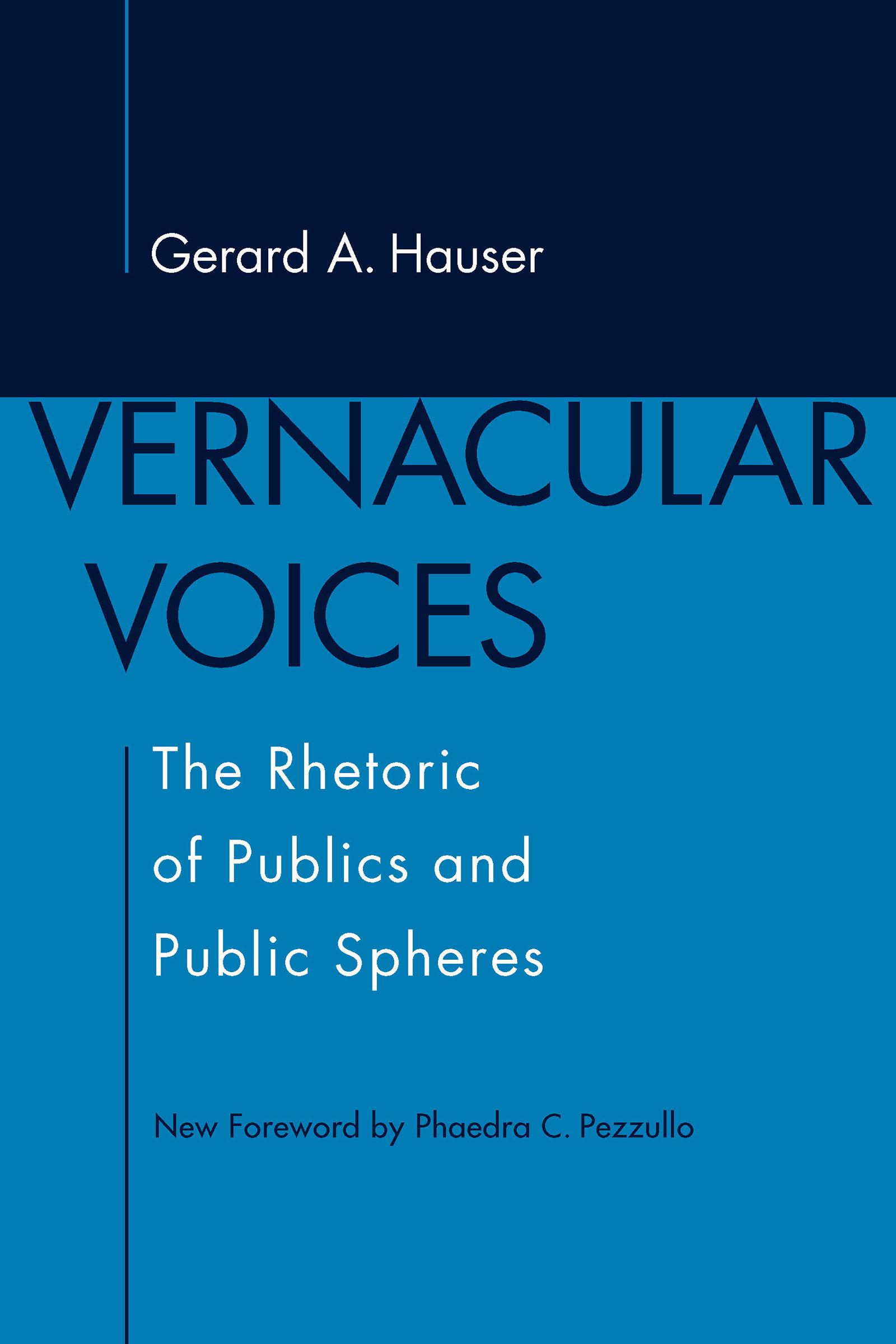
A foundational text of twenty-first-century rhetorical studies, Vernacular Voices addresses the role of citizen voices in steering a democracy through an examination of the rhetoric of publics. Gerard A. Hauser maintains that the interaction between everyday and official discourse discloses how active members of a complex society discover and clarify their shared interests and engage in exchanges that shape their opinions on issues of common interest.
In the two decades since Vernacular Voices was first published, much has changed: in the aftermath of the 9/11 terrorist attacks, US presidents have increasingly taken unilateral power to act; the internet and new media have blossomed; and globalization has raised challenges to the autonomy of nation states. In a new preface, Hauser shows how, in an era of shared, global crises, we understand publics, how public spheres form and function, and the possibilities for vernacular expressions of public opinion lie at the core of lived democracy.
A foreword is provided by Phaedra C. Pezzullo, associate professor of communication at the University of Colorado Boulder.
Płać wygodnie kartą, Klarną, Apple Pay lub Google Pay. Nie jesteś zadowolony? Zawsze masz 14-dniową gwarancję zwrotu pieniędzy. Więcej przeczytasz w naszych warunkach. Masz pytania? Napisz do nas na hello@memmo.org.
Memmo ułatwia naukę – gdziekolwiek jesteś na świecie. U nas znajdziesz podręczniki i sprytne narzędzia do nauki w jednym miejscu: streszczenia, quizy, podcasty i fiszki. A do tego Ted, Twój kumpel do nauki, który odpowie na wszystko, co Cię nurtuje. Ponad 50 000 studentów już tu się uczy – stworzone, byś uczył się szybciej i mniej stresował.