
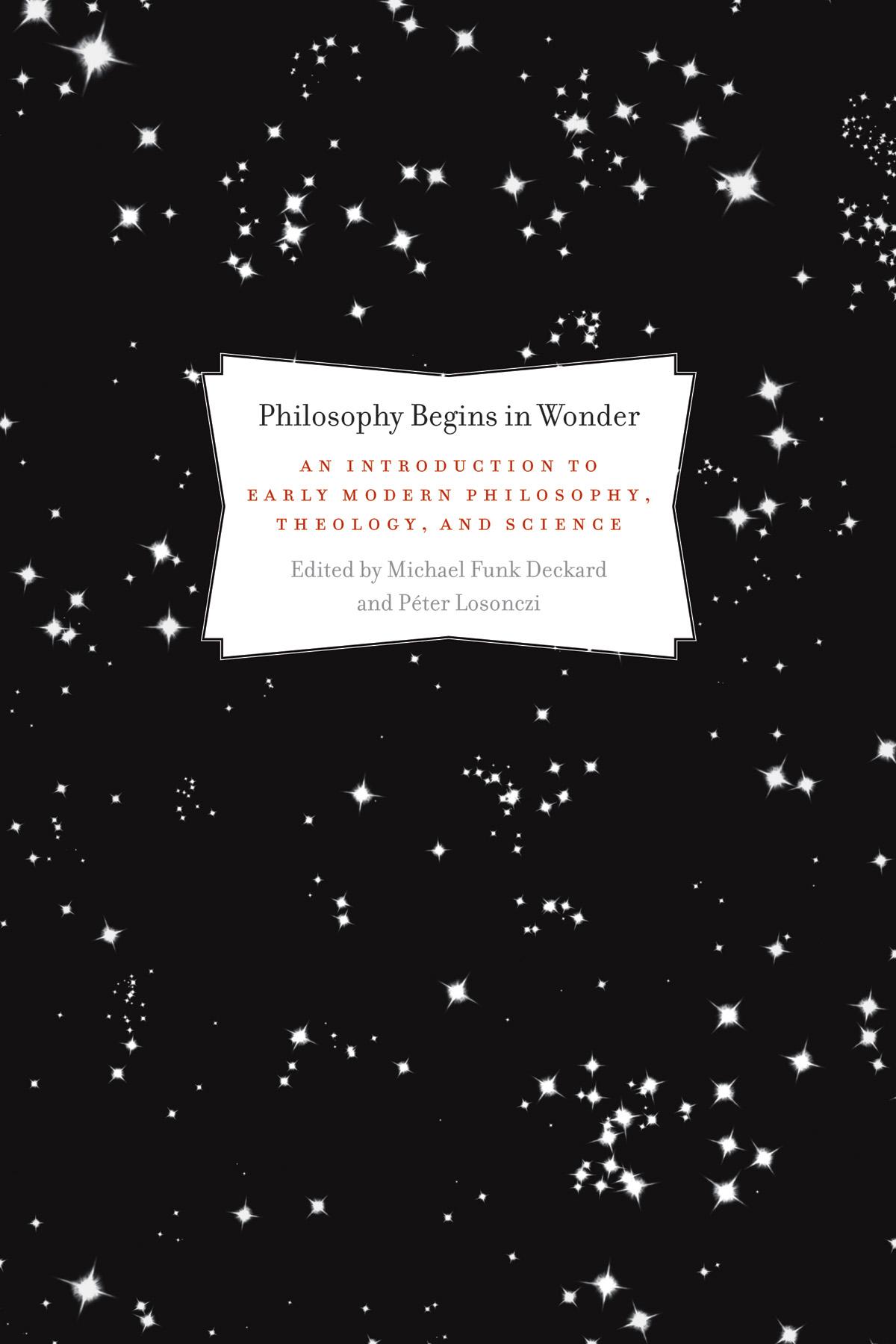
Philosophy begins with wonder, according to Plato and Aristotle. Yet Plato and Aristotle did not expand a great deal on what precisely wonder is. Does this fact alone not raise curiosity in us as to why this passion or concept is important? What is wonder's role in science, philosophy, or theology except to end thinking or theorizing as soon as one begins? The primary purpose of this book is to show how seventeenth- and eighteenth-century developments in natural theology, metaphysics, epistemology, ethics, aesthetics, and the philosophy of science resulted in a complex history of the passion of wonder-a history in which the elements of continuation, criticism, and reformulation are equally present. Philosophy Begins in Wonder provides the first historical overview of wonder and changes the way we see early modern Europe. It is intended for readers who are curious-who wonder-about how modern philosophy and science were born. The book is for scholars and educated readers alike.
Płać wygodnie kartą, Klarną, Apple Pay lub Google Pay. Nie jesteś zadowolony? Zawsze masz 14-dniową gwarancję zwrotu pieniędzy. Więcej przeczytasz w naszych warunkach. Masz pytania? Napisz do nas na hello@memmo.org.
Memmo ułatwia naukę – gdziekolwiek jesteś na świecie. U nas znajdziesz podręczniki i sprytne narzędzia do nauki w jednym miejscu: streszczenia, quizy, podcasty i fiszki. A do tego Ted, Twój kumpel do nauki, który odpowie na wszystko, co Cię nurtuje. Ponad 50 000 studentów już tu się uczy – stworzone, byś uczył się szybciej i mniej stresował.
Może Ci się spodobać
Kup książkę0