
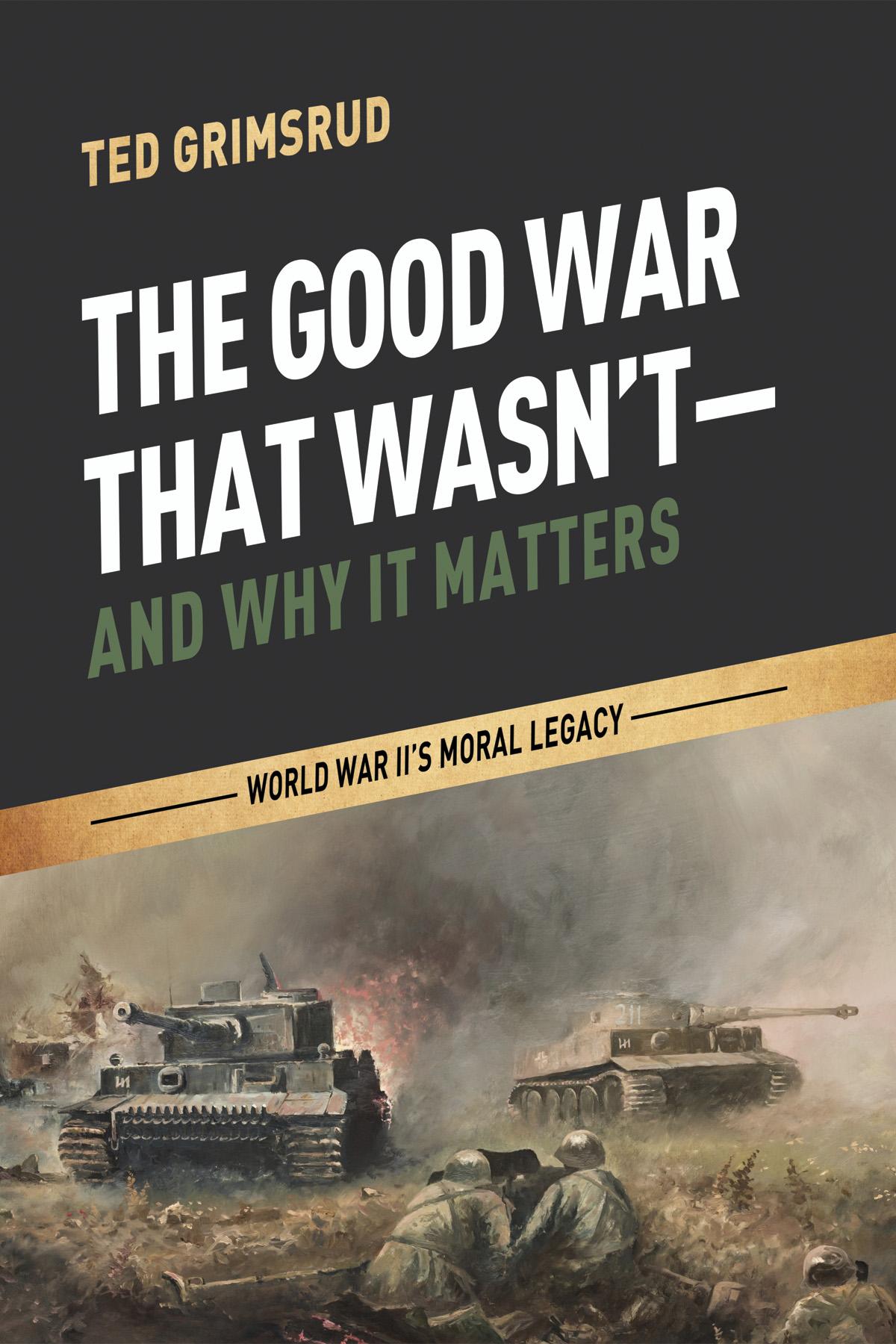
A war is always a moral event. However, the most destructive war in human history has not received much moral scrutiny. The Good War That Wasn't--and Why It Matters examines the moral legacy of this war, especially for the United States.
Drawing on the just war tradition and on moral values expressed in widely circulated statements of purpose for the war, the book asks: How did American participation in the war fit with just cause and just conduct criteria?
Subsequently the book considers the impact of the war on American foreign policy in the years that followed. How did American actions cohere (or not) with the stated purposes for the war, especially self-determination for the peoples of the world and disarmament?
Finally, the book looks at the witness of war opponents. Values expressed by war advocates were not actually furthered by the war. However, many war opponents did inspire efforts that effectively worked toward the goals of disarmament and self-determination.
The Good War That Wasn't--and Why It Matters develops its arguments in pragmatic terms. It focuses on moral reasoning in a commonsense way in its challenge to widely held assumptions about World War II.
Płać wygodnie kartą, Klarną, Apple Pay lub Google Pay. Nie jesteś zadowolony? Zawsze masz 14-dniową gwarancję zwrotu pieniędzy. Więcej przeczytasz w naszych warunkach. Masz pytania? Napisz do nas na hello@memmo.org.
Memmo ułatwia naukę – gdziekolwiek jesteś na świecie. U nas znajdziesz podręczniki i sprytne narzędzia do nauki w jednym miejscu: streszczenia, quizy, podcasty i fiszki. A do tego Ted, Twój kumpel do nauki, który odpowie na wszystko, co Cię nurtuje. Ponad 50 000 studentów już tu się uczy – stworzone, byś uczył się szybciej i mniej stresował.
Może Ci się spodobać
Kup książkę0