
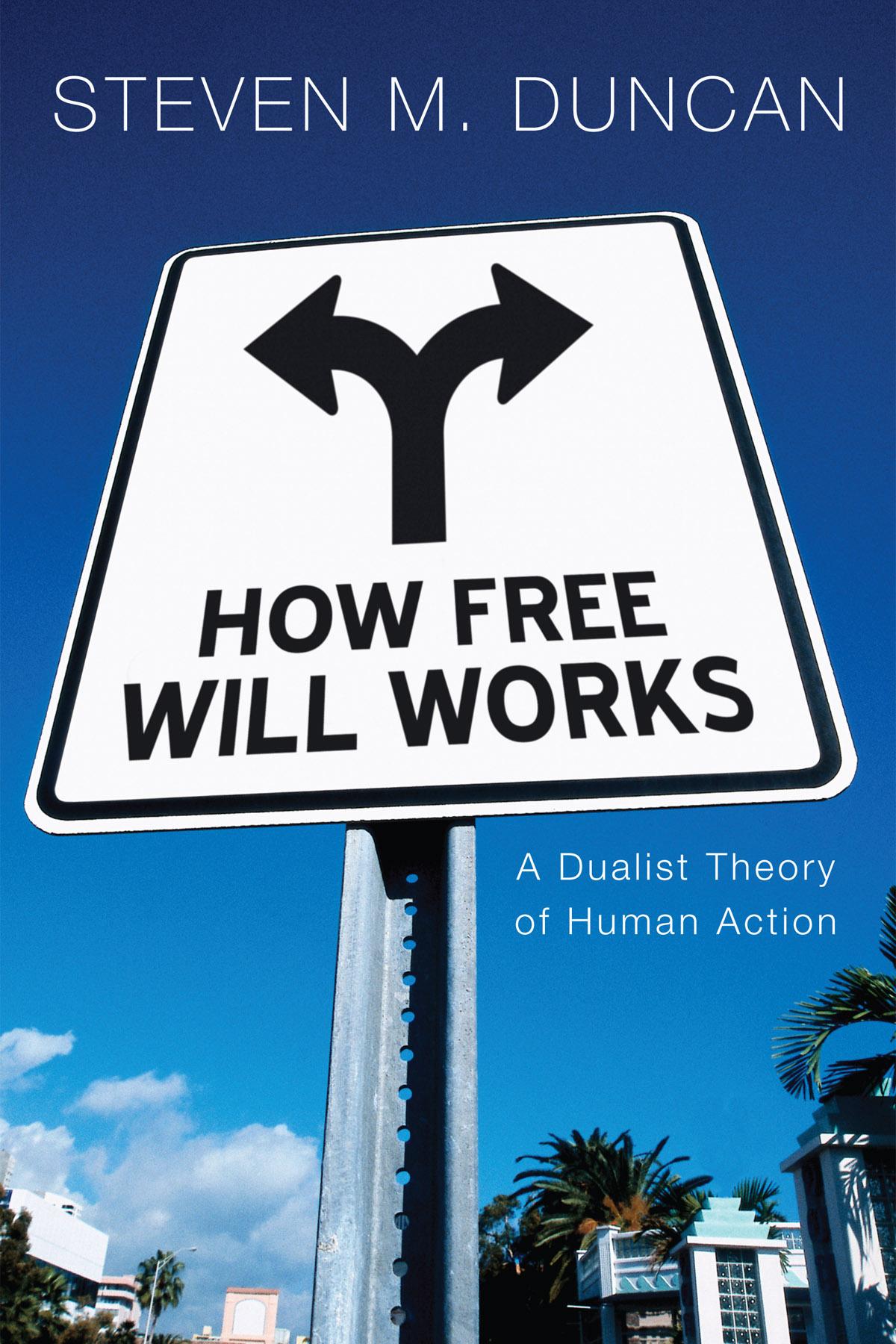
In How Free Will Works, Steven M. Duncan provides not merely discussions of, but potential answers to two of the most vexed questions discussed by philosophers concerning free choice. First, supposing that the mind and the body are separate substances of opposed natures, how is it possible for them to interact such that an entirely non-physical immanent mental act can give rise to changes in the external world? Second, supposing that there is free will, how is it possible for our acts of volition/free choice to be neither causally determined nor merely chance/random events?
This book spells out a new way of envisaging the mind/body relation and the nature of mind/body causal interaction that avoids the traditional "interaction problem." It also explains how it is possible for free choice neither to require an efficient cause nor to act as an efficient cause while nevertheless affecting the processes in the physical world through which intentional action is realized in human behavior. In the second half of the book, the theory developed in the first part of the book is applied to the difficult issues arising from the Christian doctrine of salvation: sin, grace, and redemption.
Płać wygodnie kartą, Klarną, Apple Pay lub Google Pay. Nie jesteś zadowolony? Zawsze masz 14-dniową gwarancję zwrotu pieniędzy. Więcej przeczytasz w naszych warunkach. Masz pytania? Napisz do nas na hello@memmo.org.
Memmo ułatwia naukę – gdziekolwiek jesteś na świecie. U nas znajdziesz podręczniki i sprytne narzędzia do nauki w jednym miejscu: streszczenia, quizy, podcasty i fiszki. A do tego Ted, Twój kumpel do nauki, który odpowie na wszystko, co Cię nurtuje. Ponad 50 000 studentów już tu się uczy – stworzone, byś uczył się szybciej i mniej stresował.
Może Ci się spodobać
Kup książkę0