
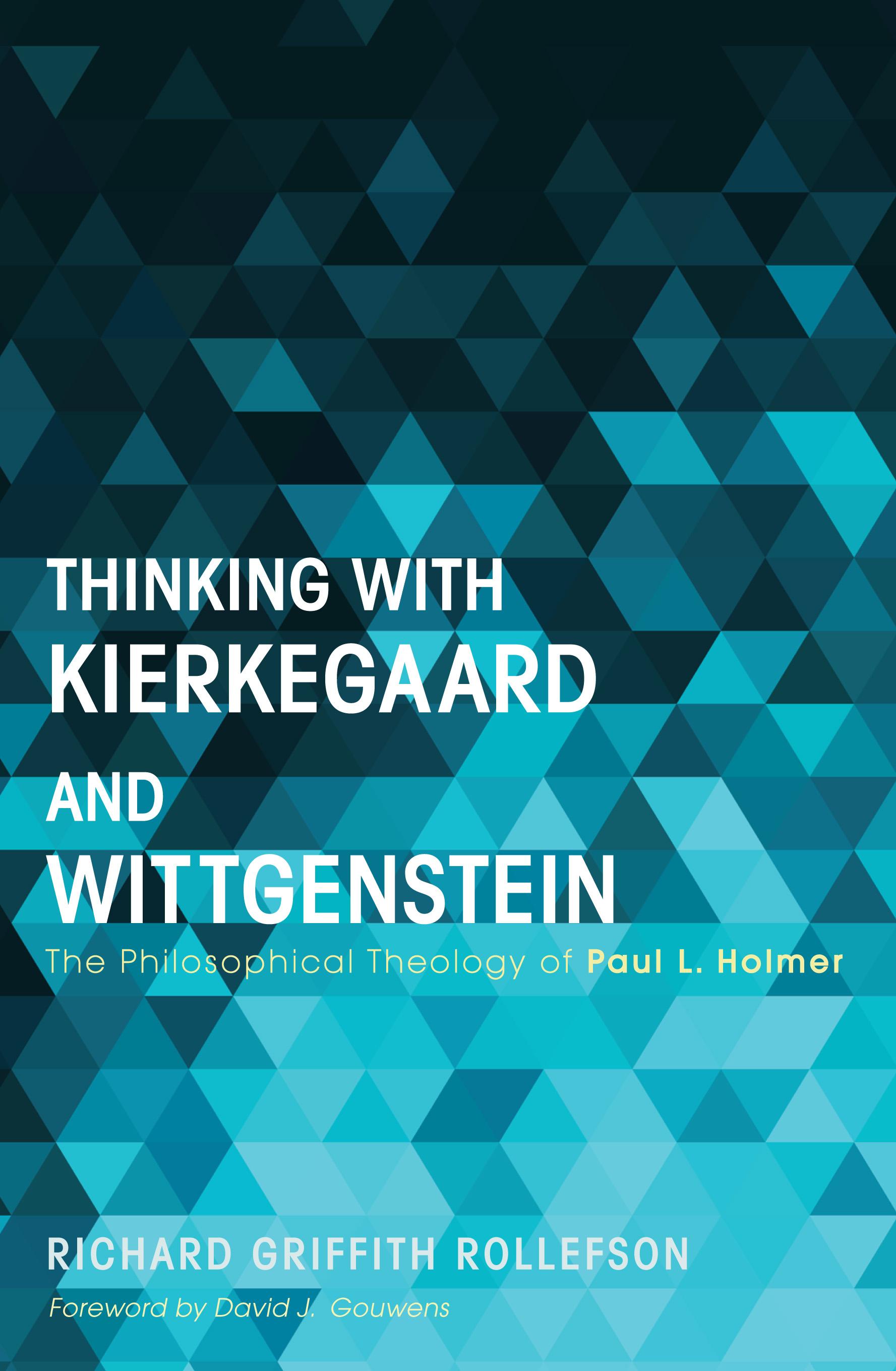
Paul L. Holmer influenced the development of the so-called Yale School and several generations of students by seeing common logical and ethico-religious themes in the works of Soren Kierkegaard and Ludwig Wittgenstein. Holmer is perhaps the preeminent interpreter of Kierkegaard with his analysis of the logic of Kierkegaard's "truth as subjectivity" and "the morphology of the life of Christian belief." In his polemical and constructive work The Grammar of Faith, Holmer explored the significance of the later philosophy of Ludwig Wittgenstein for theology and proposed a critical alternative to contemporary academic theology. In his C. S. Lewis: The Shape of His Life and Thought, Making Christian Sense, and various essays now compiled in The Paul L. Holmer papers, Holmer's reassessment of the traditional concepts of virtues and vices, his recognition of the importance of Christian praxis in providing the context for theological and ethical reflection, together with his emphasis on the role of emotions and passions in the life of faith, portray how the Christian faith forms character and helps one "make sense" with one's life.
Płać wygodnie kartą, Klarną, Apple Pay lub Google Pay. Nie jesteś zadowolony? Zawsze masz 14-dniową gwarancję zwrotu pieniędzy. Więcej przeczytasz w naszych warunkach. Masz pytania? Napisz do nas na hello@memmo.org.
Memmo ułatwia naukę – gdziekolwiek jesteś na świecie. U nas znajdziesz podręczniki i sprytne narzędzia do nauki w jednym miejscu: streszczenia, quizy, podcasty i fiszki. A do tego Ted, Twój kumpel do nauki, który odpowie na wszystko, co Cię nurtuje. Ponad 50 000 studentów już tu się uczy – stworzone, byś uczył się szybciej i mniej stresował.
Może Ci się spodobać
Kup książkę0