
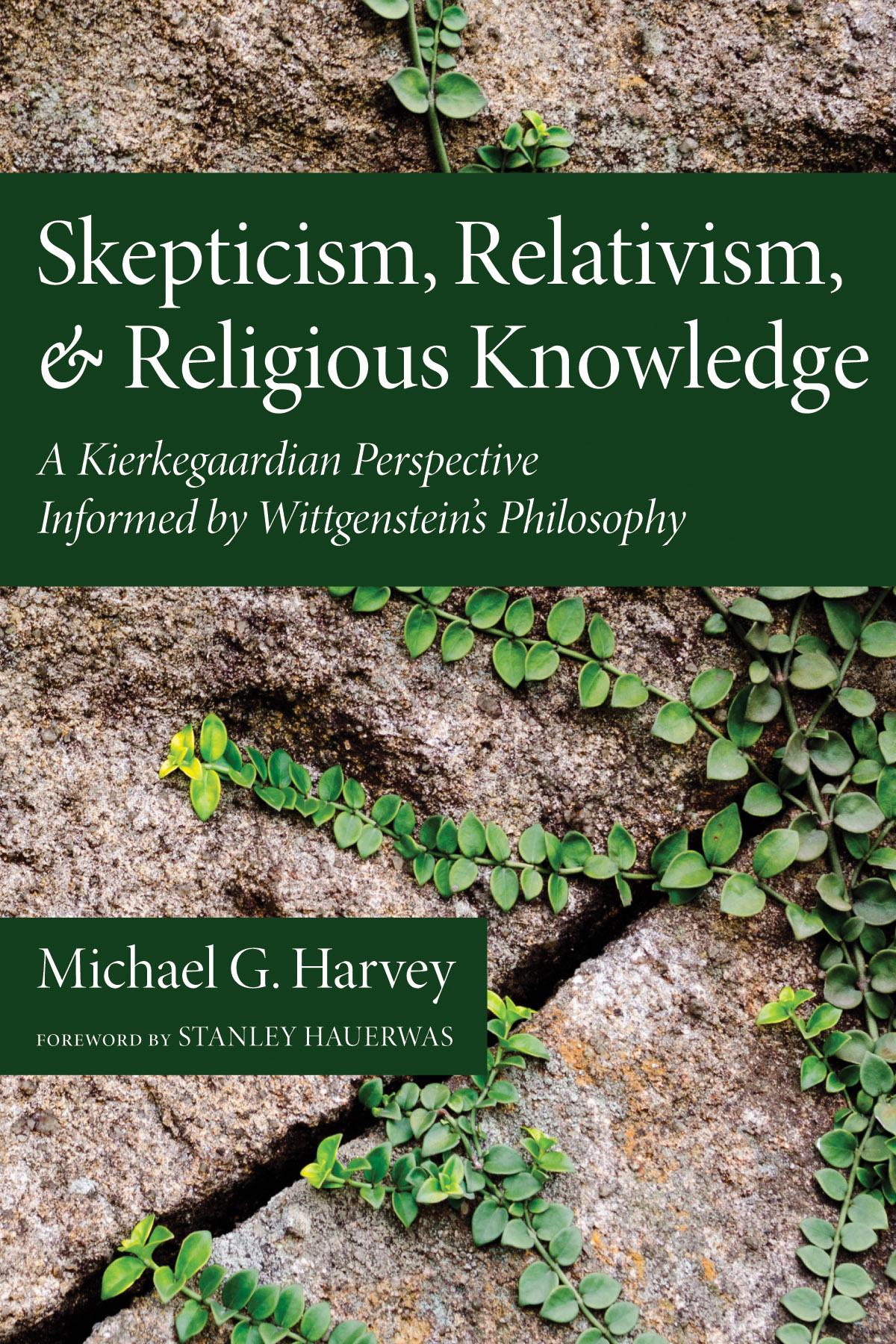
Skepticism, Relativism, and Religious Knowledge examines the challenges of skepticism and relativism to religious knowledge after the demise of classical foundationalism. Whereas skepticism doubts our capacity to know truth, relativism doubts whether we can find a sufficiently objective perspective to adjudicate strong disagreement about truth. Thus relativism involves skepticism about rationality rather than truth. In developing a critique of responses to these challenges by Karl Barth and Reformed epistemology, Michael G. Harvey develops a Kierkegaardian perspective on religious knowledge informed by Wittgenstein's philosophy. This perspective is based on a hermeneutical model of rationality that appeals to what we hold in common rather than private and parochial foundations in order to settle disagreement. Although doubt is necessary to produce more truth-preserving beliefs, we must scrutinize our doubts as well as beliefs in order to prevent the belief-forming mechanism of doubt from degenerating into a general mood of skepticism about rationality and truth. More fundamentally, we must realize that skepticism and relativism are rooted in attitudes of alienation. Whereas epistemology aims at a non-alienated view of the world, Christianity aims at a non-alienated way of living through faith that enables both our beliefs and lives to correspond with the truth.
Płać wygodnie kartą, Klarną, Apple Pay lub Google Pay. Nie jesteś zadowolony? Zawsze masz 14-dniową gwarancję zwrotu pieniędzy. Więcej przeczytasz w naszych warunkach. Masz pytania? Napisz do nas na hello@memmo.org.
Memmo ułatwia naukę – gdziekolwiek jesteś na świecie. U nas znajdziesz podręczniki i sprytne narzędzia do nauki w jednym miejscu: streszczenia, quizy, podcasty i fiszki. A do tego Ted, Twój kumpel do nauki, który odpowie na wszystko, co Cię nurtuje. Ponad 50 000 studentów już tu się uczy – stworzone, byś uczył się szybciej i mniej stresował.
Może Ci się spodobać
Kup książkę0