
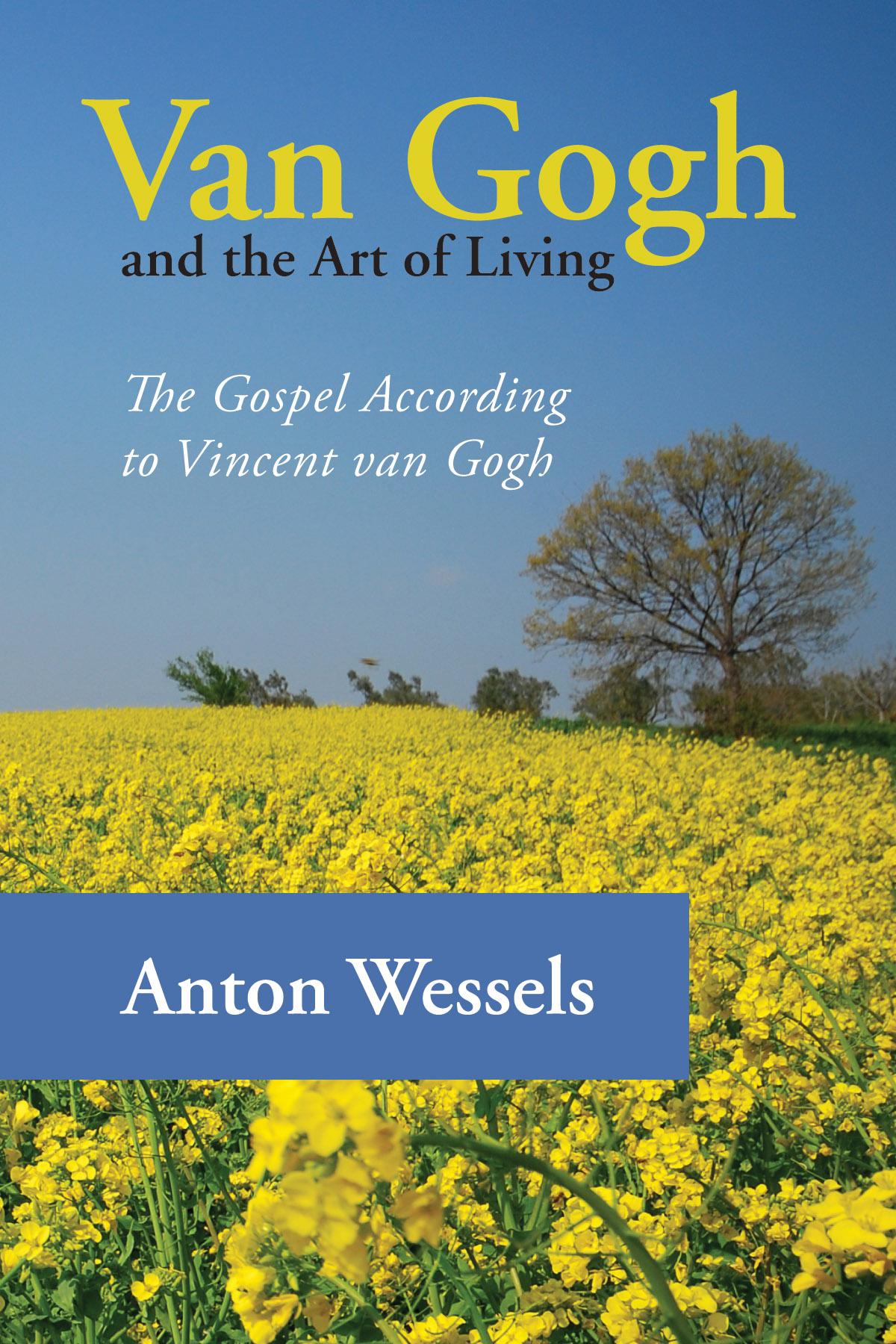
Vincent van Gogh believed that one had to learn to read, just as one had to learn to see and learn to live. Van Gogh conveyed a message in his work about the path that he himself followed that was "more true to life," the path that human beings walk in their turbulent existence, the pilgrimage along the various stages of the road of life. He does not speak about the meaning of life but about the true art of living. It is fascinating to see and read the moving way in which he wrestled with the deep human questions of the whence, why, and whither of life. He did not see himself doing this on his own but acknowledged kindred spirits and allies in preachers, preacher-poets, painters, writers, and other artists who also attempted to find their own way through life in a similar fashion.
Van Gogh was aware, like no other, of his duty and task in life: his vocation as human being and artist. That means that he was well acquainted with loneliness, fear, and despair, including suicidal tendencies. Nevertheless, he understood himself as cut out for faith, rather than resignation. Human beings follow their life's path, through storms and dangers, on land and on sea, where the "star of the sea" (the Virgin Mary) helps them and provides light. Van Gogh rejected the unhealthy, sickly forms of religion, electing instead to embrace authentic forms of piety.
Płać wygodnie kartą, Klarną, Apple Pay lub Google Pay. Nie jesteś zadowolony? Zawsze masz 14-dniową gwarancję zwrotu pieniędzy. Więcej przeczytasz w naszych warunkach. Masz pytania? Napisz do nas na hello@memmo.org.
Memmo ułatwia naukę – gdziekolwiek jesteś na świecie. U nas znajdziesz podręczniki i sprytne narzędzia do nauki w jednym miejscu: streszczenia, quizy, podcasty i fiszki. A do tego Ted, Twój kumpel do nauki, który odpowie na wszystko, co Cię nurtuje. Ponad 50 000 studentów już tu się uczy – stworzone, byś uczył się szybciej i mniej stresował.
Może Ci się spodobać
Kup książkę0