
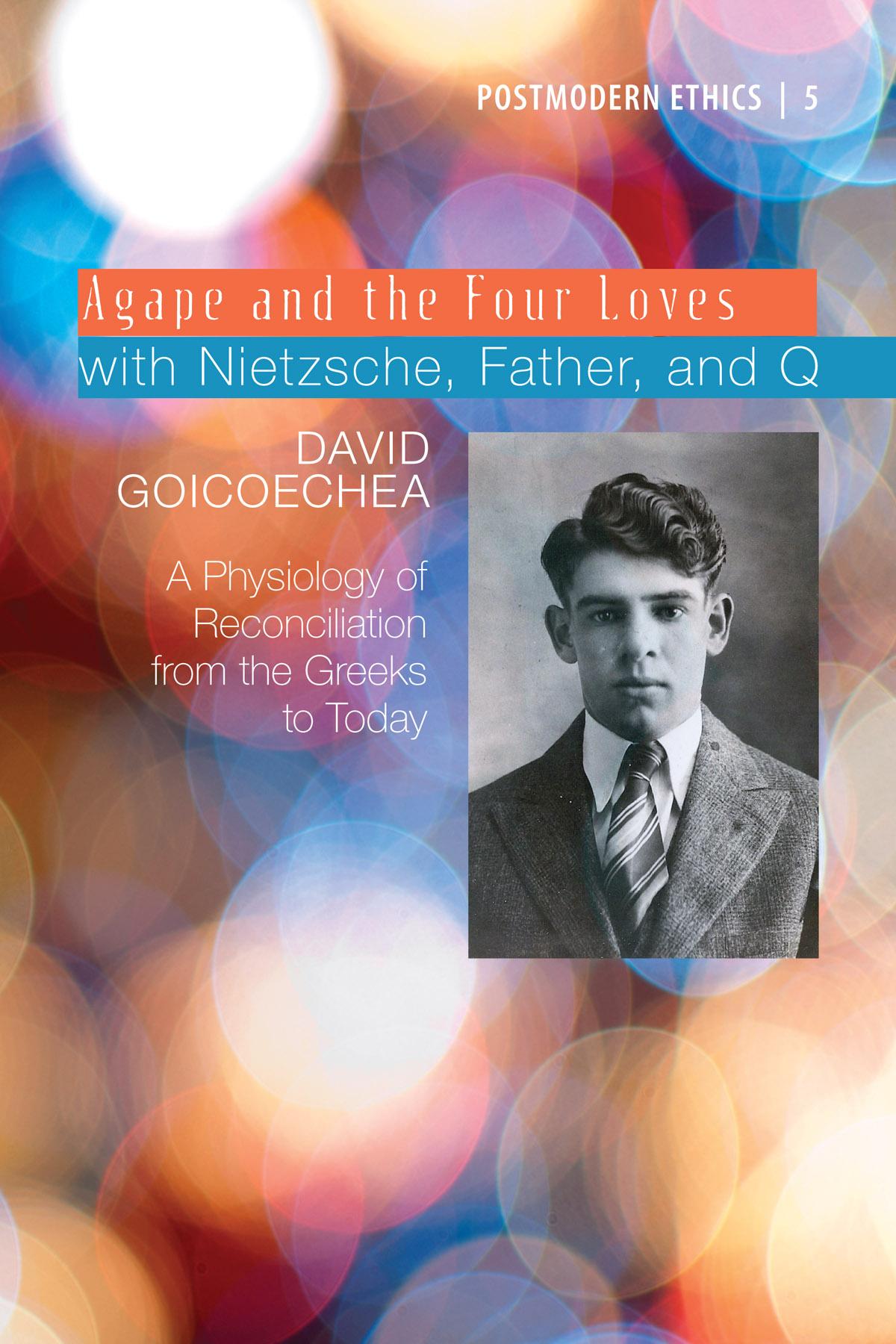
Goicoechea explains Nietzsche's thesis that the agapeic love of Jesus is humankind's highest affirmation, even for sinners like the author's father, Joe Goicoechea, who lived it out existentially. Already before the Q scholars, Nietzsche saw this love as the essence of the Sermon on the Mount and based his philosophy upon it. Throughout the Catholic tradition agape fulfilled the affection of Empedocles, the eros of Plato, the friendship of Aristotle, and the agape of Plotinus. While, as Anders Nygren shows, modernists protested such syntheses, now postmodernists once again let agape and the four loves contribute to one another.
Płać wygodnie kartą, Klarną, Apple Pay lub Google Pay. Nie jesteś zadowolony? Zawsze masz 14-dniową gwarancję zwrotu pieniędzy. Więcej przeczytasz w naszych warunkach. Masz pytania? Napisz do nas na hello@memmo.org.
Memmo ułatwia naukę – gdziekolwiek jesteś na świecie. U nas znajdziesz podręczniki i sprytne narzędzia do nauki w jednym miejscu: streszczenia, quizy, podcasty i fiszki. A do tego Ted, Twój kumpel do nauki, który odpowie na wszystko, co Cię nurtuje. Ponad 50 000 studentów już tu się uczy – stworzone, byś uczył się szybciej i mniej stresował.
Może Ci się spodobać
Kup książkę0