
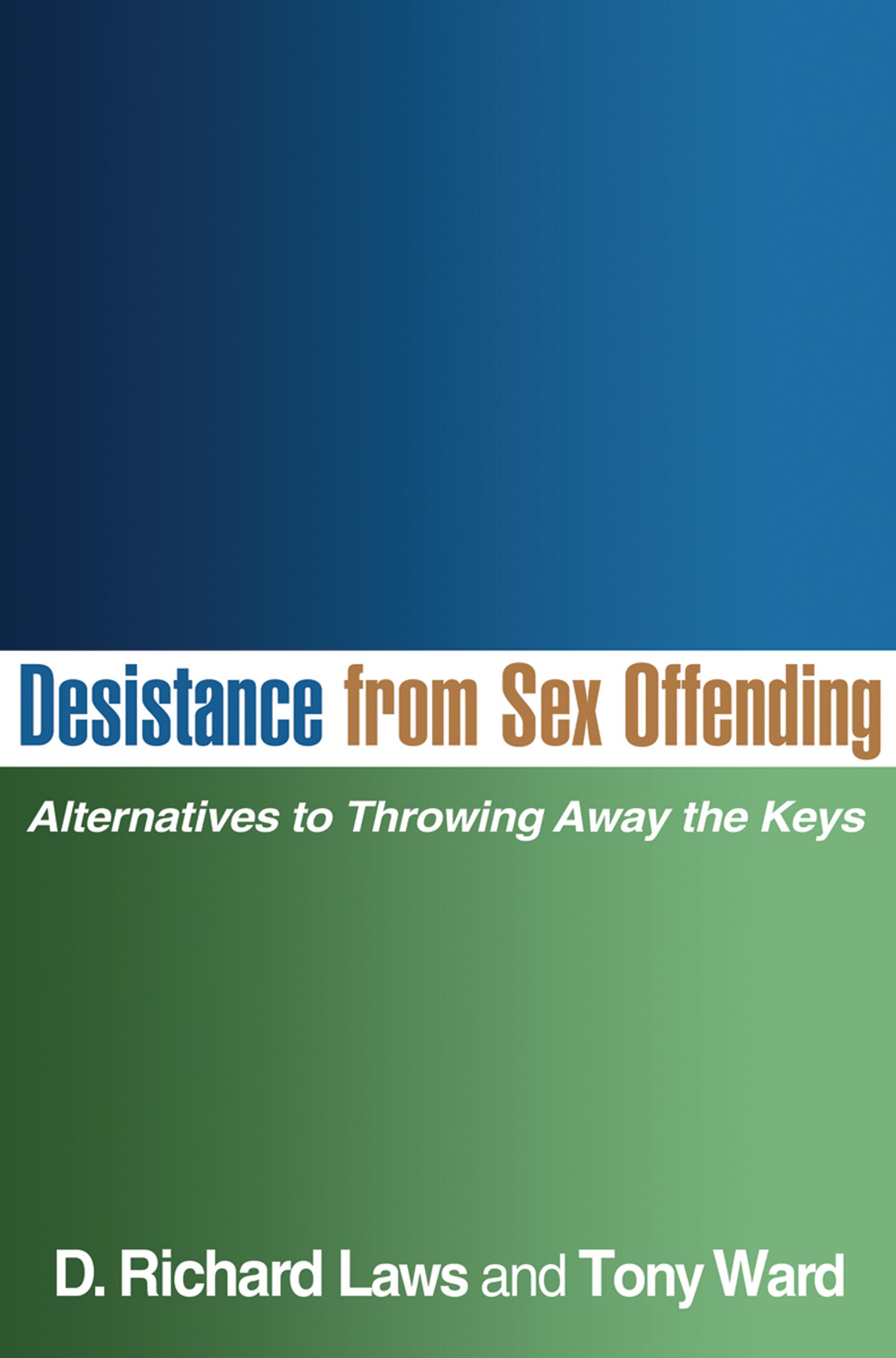
This book offers a fresh perspective on treating a population that is often demonized by policymakers, the public, and even clinicians. The authors argue that most sex offenders are "people like us," with the potential to lead meaningful, law-abiding lives—if given a chance and appropriate support. They describe an empirically and theoretically grounded rehabilitation approach, the Good Lives Model, which can be integrated with the assessment and intervention approaches that clinicians already use. Drawing on the latest knowledge about factors promoting desistance from crime, the book discusses how encouraging naturally occurring desistance processes, and directly addressing barriers to community reintegration, can make treatment more effective and long lasting.
Płać wygodnie kartą, Klarną, Apple Pay lub Google Pay. Nie jesteś zadowolony? Zawsze masz 14-dniową gwarancję zwrotu pieniędzy. Więcej przeczytasz w naszych warunkach. Masz pytania? Napisz do nas na hello@memmo.org.
Memmo ułatwia naukę – gdziekolwiek jesteś na świecie. U nas znajdziesz podręczniki i sprytne narzędzia do nauki w jednym miejscu: streszczenia, quizy, podcasty i fiszki. A do tego Ted, Twój kumpel do nauki, który odpowie na wszystko, co Cię nurtuje. Ponad 50 000 studentów już tu się uczy – stworzone, byś uczył się szybciej i mniej stresował.