
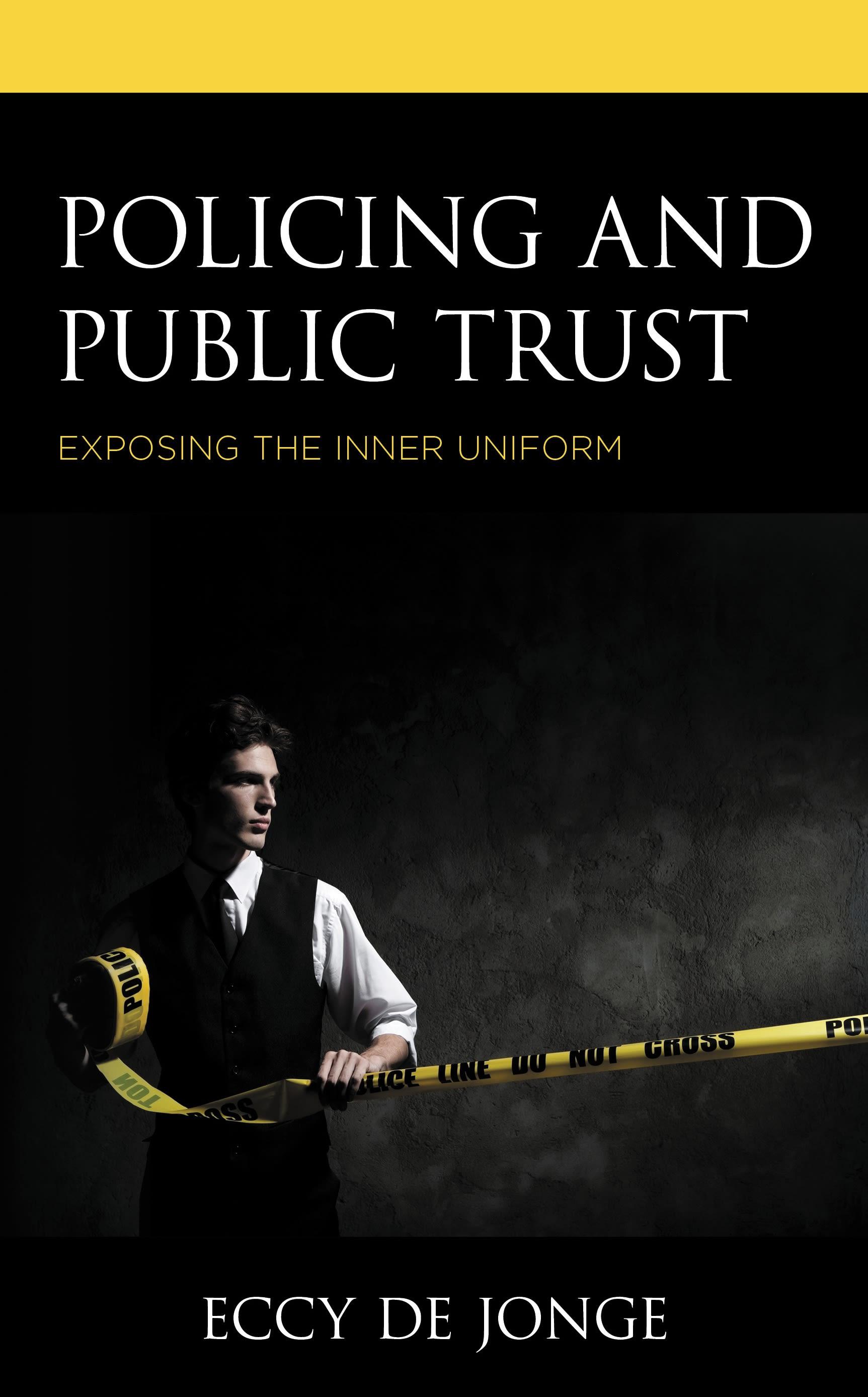
The treatment of victims and complainants by the police is examined in this pioneering new work. Case studies, based on interviews carried out at the University of Portsmouth’s Institute of Criminal Justice Studies, in the United Kingdom, reveal that victims and complainants are routinely discredited by police agencies. Whilst in the United States, victims may include anyone subjected to police interrogation, particularly those of African-American origin, complainants across the globe may include victims of rape, bereaved families, and individual officers. The reason why certain victims and complainants are targeted by policing agencies is complex and leads to an investigation into police bias, covert practices, and one of the most common areas of policing: road death investigations. Consequently, other members of the criminal justice system, such as prosecutors, coroners, and hospital pathologists (medical examiners) are shown to often corroborate the police’s version of events compromising victims’ rights and the very nature of justice. Given recent miscarriages of justice and public relation campaigns on behalf of the police, Eccy de Jonge argues that never before has a greater openness on the inner workings of the police been needed to fully support the interests of those the criminal justice system is meant to serve.
Płać wygodnie kartą, Klarną, Apple Pay lub Google Pay. Nie jesteś zadowolony? Zawsze masz 14-dniową gwarancję zwrotu pieniędzy. Więcej przeczytasz w naszych warunkach. Masz pytania? Napisz do nas na hello@memmo.org.
Memmo ułatwia naukę – gdziekolwiek jesteś na świecie. U nas znajdziesz podręczniki i sprytne narzędzia do nauki w jednym miejscu: streszczenia, quizy, podcasty i fiszki. A do tego Ted, Twój kumpel do nauki, który odpowie na wszystko, co Cię nurtuje. Ponad 50 000 studentów już tu się uczy – stworzone, byś uczył się szybciej i mniej stresował.