
How America’s greatest marketing triumph in World War II shaped race, ethnicity, and class in modern America
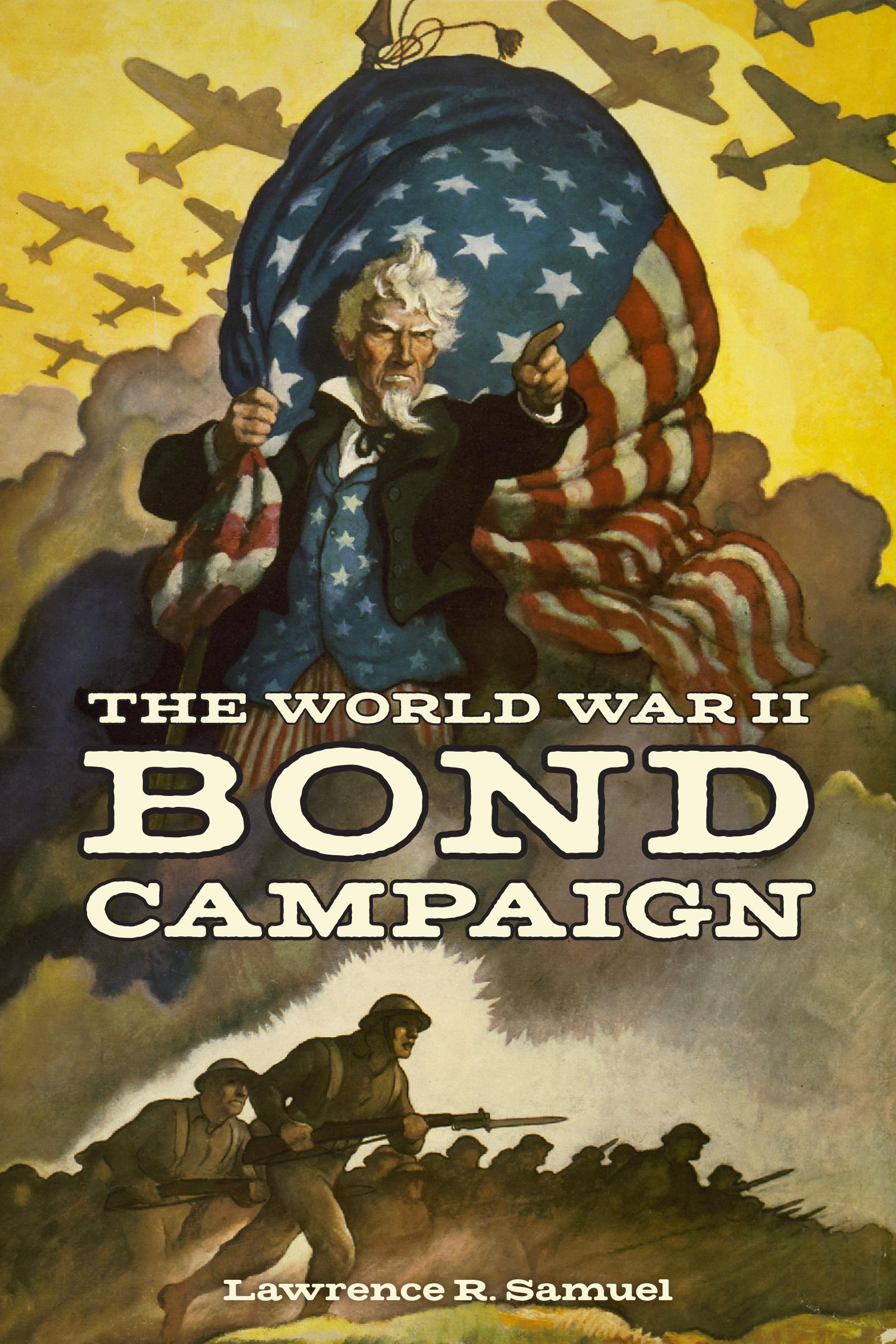
The World War II Bond Campaign is a history of the World War II bond drive led by the federal government, an effort called the most successful marketing operation in history. By the war’s end, some 85 million Americans had spent $186 billion in an unprecedented outpouring of patriotism that contributed to the military victory and the prosperity of the following decades. The FDR administration used bonds to raise capital to support the war and promote national unity within the context of the nation’s increasingly pluralistic society as the “melting pot” theory was retired. African Americans, Euro-Americans, and labor union members enthusiastically bought bonds to express national loyalty but also to demonstrate racial, ethnic, or class pride, a reflection of their dualistic or “hyphenated” identities.
Drawing on various primary sources, The World War II Bond Campaign illustrates how the Treasury Department’s multicultural marketing strategies tapped into Americans’ aspirations alongside their patriotic impulses. Citizens of all social and economic backgrounds eagerly responded to what can be seen as the selling of America, making the subject an ideal lens to view national identity at a critical moment in the country’s history. The author contends that the drive’s success helped pave the way for the emergence of both the civil rights movement and the vigorous consumer culture of the postwar years.
Płać wygodnie kartą, Klarną, Apple Pay lub Google Pay. Nie jesteś zadowolony? Zawsze masz 14-dniową gwarancję zwrotu pieniędzy. Więcej przeczytasz w naszych warunkach. Masz pytania? Napisz do nas na hello@memmo.org.
Memmo ułatwia naukę – gdziekolwiek jesteś na świecie. U nas znajdziesz podręczniki i sprytne narzędzia do nauki w jednym miejscu: streszczenia, quizy, podcasty i fiszki. A do tego Ted, Twój kumpel do nauki, który odpowie na wszystko, co Cię nurtuje. Ponad 50 000 studentów już tu się uczy – stworzone, byś uczył się szybciej i mniej stresował.