
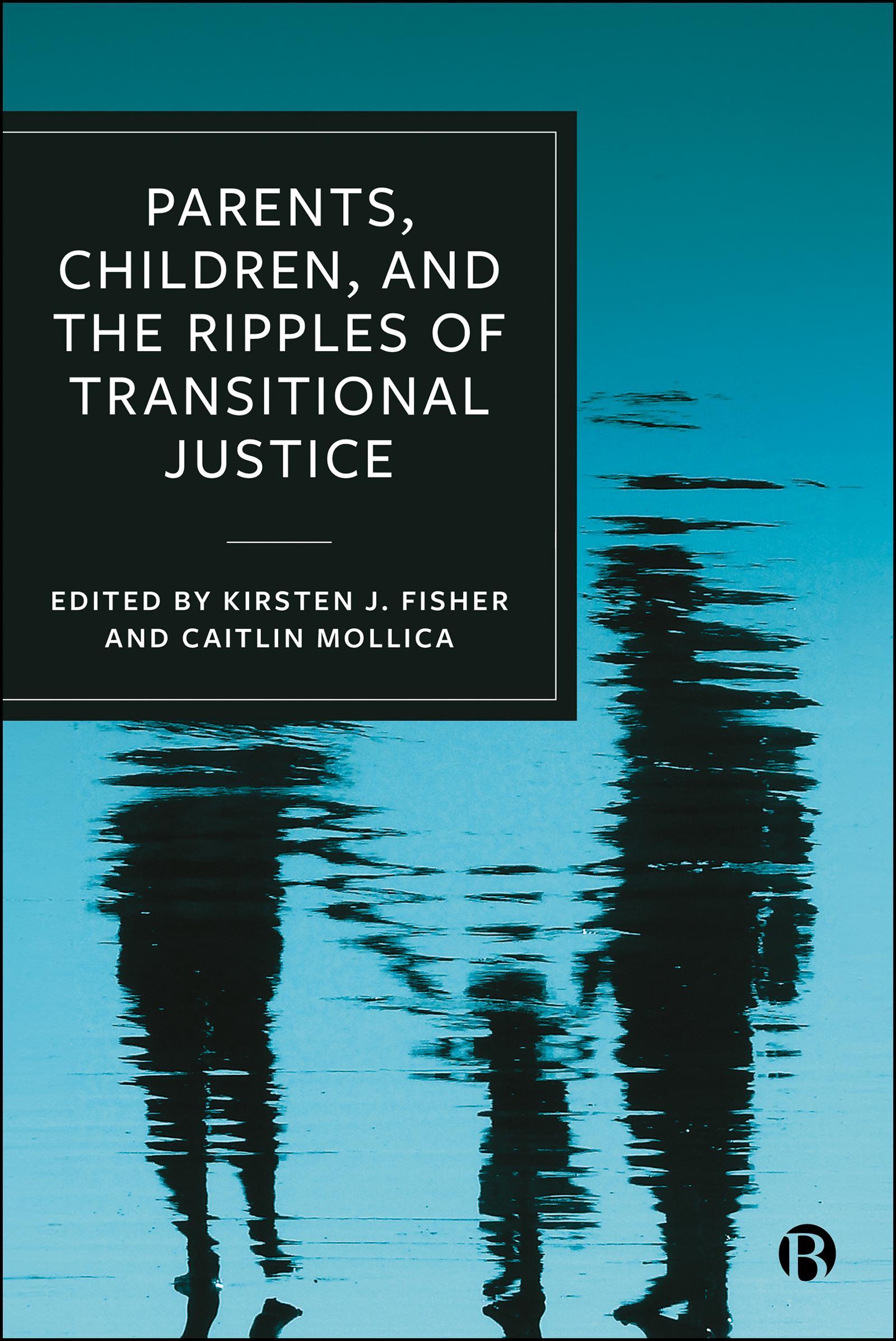
This pioneering collection breaks new ground by examining how post-atrocity justice affects and is informed by familial relationships, particularly between parents and children.
Moving beyond traditional discussions of victims and perpetrators, this volume centres the dynamics of care, responsibility, and identity in the aftermath of mass atrocity. It explores how attempts at addressing legacies of mass atrocity can undermine or strengthen families. Drawing on global case studies and innovative interdisciplinary insights, chapters reveal how socially constructed ideas about parenthood and childhood inform notions of responsibility with and for children within transitional justice frameworks.
Płać wygodnie kartą, Klarną, Apple Pay lub Google Pay. Nie jesteś zadowolony? Zawsze masz 14-dniową gwarancję zwrotu pieniędzy. Więcej przeczytasz w naszych warunkach. Masz pytania? Napisz do nas na hello@memmo.org.
Memmo ułatwia naukę – gdziekolwiek jesteś na świecie. U nas znajdziesz podręczniki i sprytne narzędzia do nauki w jednym miejscu: streszczenia, quizy, podcasty i fiszki. A do tego Ted, Twój kumpel do nauki, który odpowie na wszystko, co Cię nurtuje. Ponad 50 000 studentów już tu się uczy – stworzone, byś uczył się szybciej i mniej stresował.