
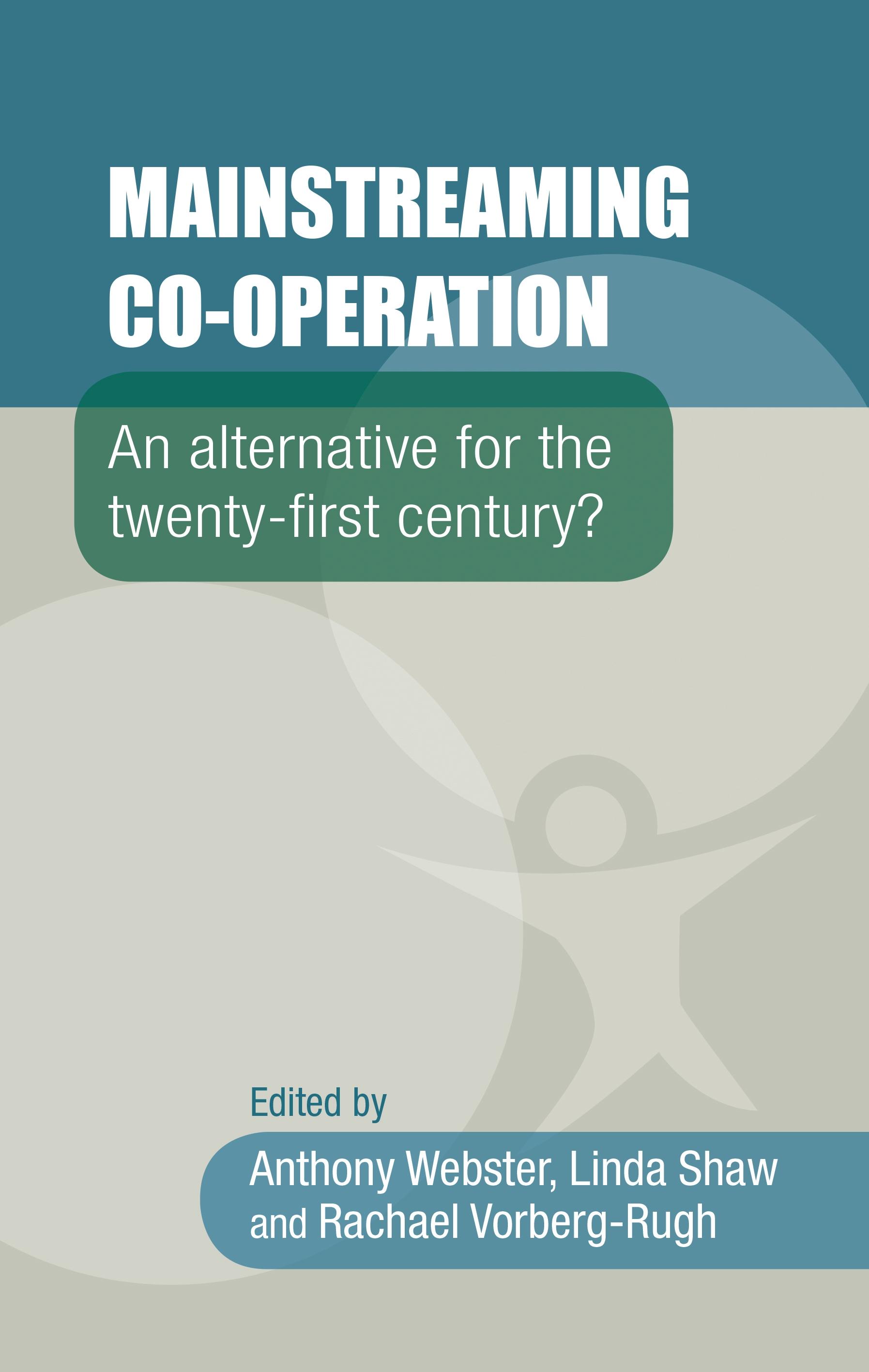
After decades of flying beneath the radar, co-operation as a principle of business and socio-economic organisation is moving from the margins of economic, social and political thought into the mainstream. In both the developed and developing world, co-operative models are increasingly viewed as central to tackling a diverse array of issues, including global food security, climate change, sustainable economic development, public service provision and gender inequality. This collection, drawing together research from an interdisciplinary group of scholars and co-operative practitioners, considers the different spheres in which co-operatives are becoming more prominent. Drawing examples from different national and international contexts, the book offers major insights into how co-operation will come to occupy a more central role in social and economic life in the twenty-first century.
Mainstreaming co-operation will be of interest to students and academics studying economics, business studies, history, politics and international development, but also to policy makers interested in co-operatives and mutuals as a viable alternative to conventional models of social and economic development.
Płać wygodnie kartą, Klarną, Apple Pay lub Google Pay. Nie jesteś zadowolony? Zawsze masz 14-dniową gwarancję zwrotu pieniędzy. Więcej przeczytasz w naszych warunkach. Masz pytania? Napisz do nas na hello@memmo.org.
Memmo ułatwia naukę – gdziekolwiek jesteś na świecie. U nas znajdziesz podręczniki i sprytne narzędzia do nauki w jednym miejscu: streszczenia, quizy, podcasty i fiszki. A do tego Ted, Twój kumpel do nauki, który odpowie na wszystko, co Cię nurtuje. Ponad 50 000 studentów już tu się uczy – stworzone, byś uczył się szybciej i mniej stresował.