
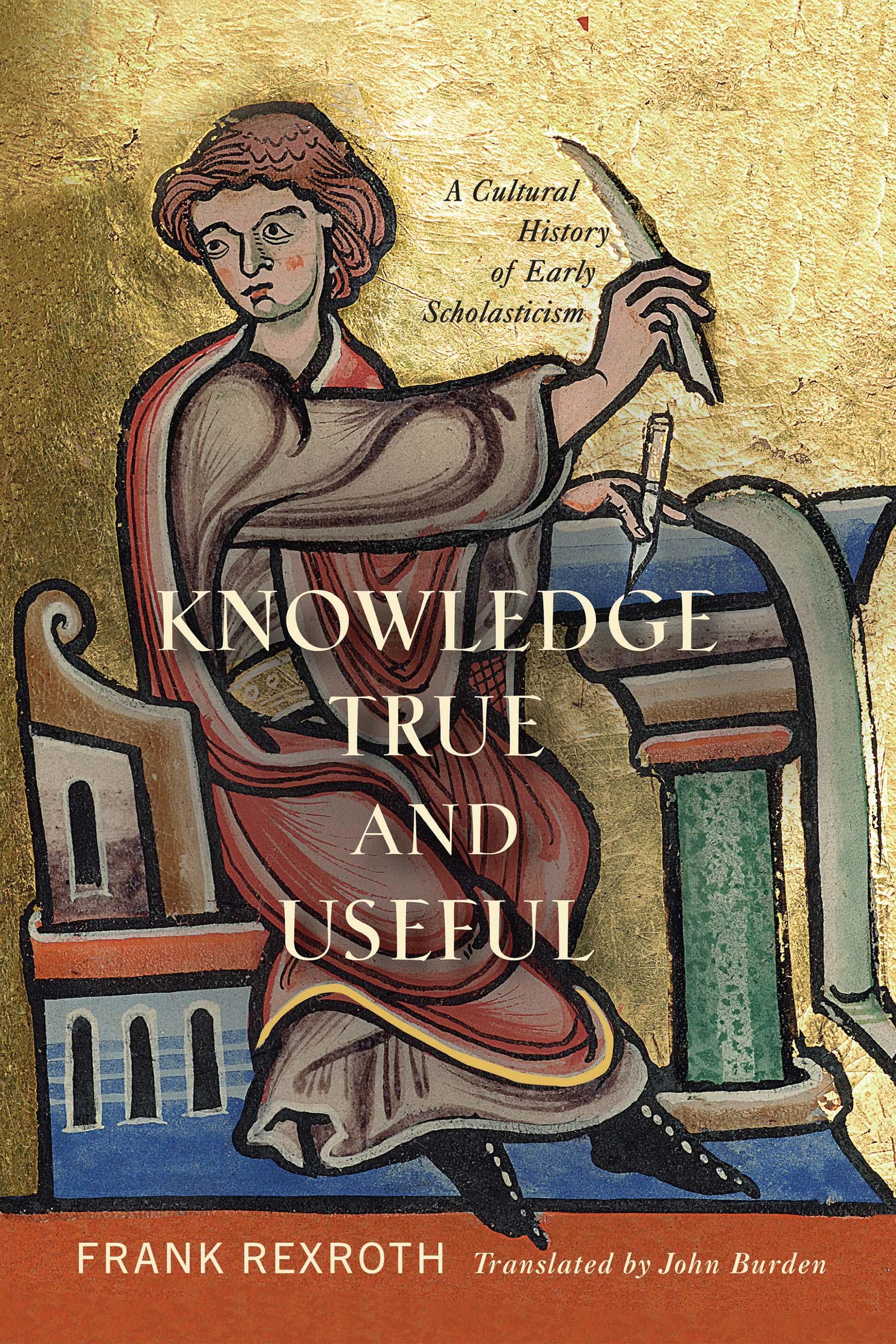
A radical shift took place in medieval Europe that still shapes contemporary intellectual life: freeing themselves from the fixed beliefs of the past, scholars began to determine and pursue their own avenues of academic inquiry. In Knowledge True and Useful, Frank Rexroth shows how, beginning in the 1070s, a new kind of knowledge arose in Latin Europe that for the first time could be deemed “scientific.”
In the twelfth century, when Peter Abelard proclaimed the primacy of reason in all areas of inquiry (and started an affair with his pupil Heloise), it was a scandal. But he was not the only one who wanted to devote his life to this new enterprise of “scholastic” knowledge. Rexroth explores how the first students and teachers of this movement came together in new groups and schools, examining their intellectual debates and disputes as well as the lifelong connections they forged with one another through the scholastic communities to which they belonged.
Rexroth shows how the resulting transformations produced a new understanding of truth and the utility of learning, as well as a new perspective on the intellectual tradition and the division of knowledge into academic disciplines—marking a turning point in European intellectual culture that culminated in the birth of the university and, with it, traditions and forms of academic inquiry that continue to organize the pursuit of knowledge today.
Płać wygodnie kartą, Klarną, Apple Pay lub Google Pay. Nie jesteś zadowolony? Zawsze masz 14-dniową gwarancję zwrotu pieniędzy. Więcej przeczytasz w naszych warunkach. Masz pytania? Napisz do nas na hello@memmo.org.
Memmo ułatwia naukę – gdziekolwiek jesteś na świecie. U nas znajdziesz podręczniki i sprytne narzędzia do nauki w jednym miejscu: streszczenia, quizy, podcasty i fiszki. A do tego Ted, Twój kumpel do nauki, który odpowie na wszystko, co Cię nurtuje. Ponad 50 000 studentów już tu się uczy – stworzone, byś uczył się szybciej i mniej stresował.