
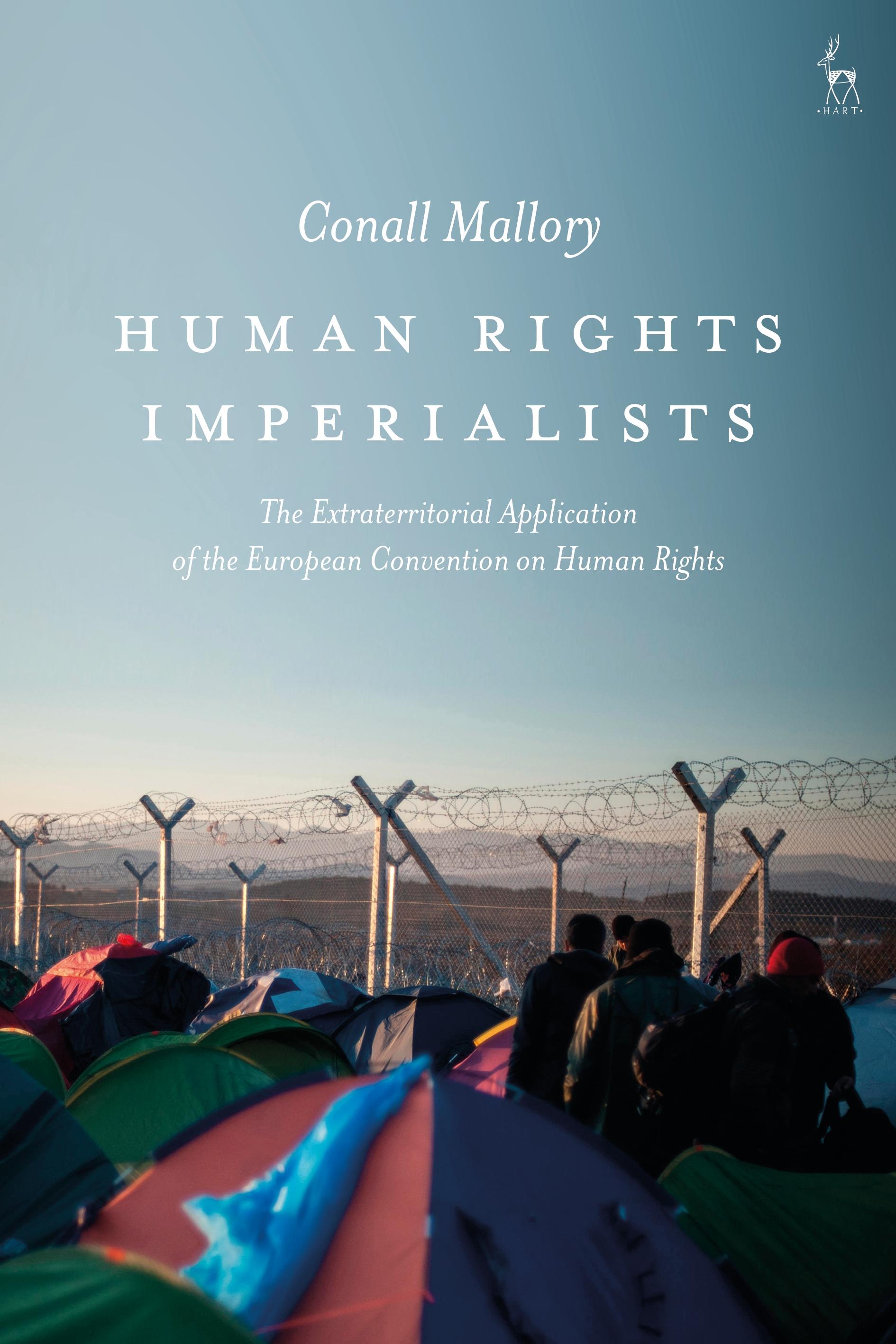
To what extent do a state's obligations under the European Convention on Human Rights apply beyond its territorial borders? Are soldiers deployed on overseas operations bound by the human rights commitments of their home state? What about other agents, like the police or diplomatic and consular services? If a state's obligations do apply abroad, are they to be upheld in full or should they be tailored to the situation at hand?
Few topics have posed more of a challenge for the European Court of Human Rights than this issue of the Convention's extraterritorial application. This book provides a novel understanding on why this is by looking at the behaviour of those principally tasked with interpreting the treaty: the Strasbourg Court, state parties, and national courts. It offers a theory for how these communities operate: what motivates, constrains and ultimately shapes their interpretive practices. Through a detailed analysis of the jurisprudence, with a particular focus on British authorities and judges during and after the Iraq War (2003), the book provides an explanation of how the interpretation of extraterritorial obligations has developed over time and how these obligations are currently understood. Some have argued that it is imperialistic to apply the Convention extraterritorially. If this is the case, the focus of this book is on those 'imperialists' who have interpreted European human rights law to extend beyond a state's borders, as it is with them that any lasting solution to the challenge will be found.
Few topics have posed more of a challenge for the European Court of Human Rights than this issue of the Convention's extraterritorial application. This book provides a novel understanding on why this is by looking at the behaviour of those principally tasked with interpreting the treaty: the Strasbourg Court, state parties, and national courts. It offers a theory for how these communities operate: what motivates, constrains and ultimately shapes their interpretive practices. Through a detailed analysis of the jurisprudence, with a particular focus on British authorities and judges during and after the Iraq War (2003), the book provides an explanation of how the interpretation of extraterritorial obligations has developed over time and how these obligations are currently understood. Some have argued that it is imperialistic to apply the Convention extraterritorially. If this is the case, the focus of this book is on those 'imperialists' who have interpreted European human rights law to extend beyond a state's borders, as it is with them that any lasting solution to the challenge will be found.
Płać wygodnie kartą, Klarną, Apple Pay lub Google Pay. Nie jesteś zadowolony? Zawsze masz 14-dniową gwarancję zwrotu pieniędzy. Więcej przeczytasz w naszych warunkach. Masz pytania? Napisz do nas na hello@memmo.org.
Memmo ułatwia naukę – gdziekolwiek jesteś na świecie. U nas znajdziesz podręczniki i sprytne narzędzia do nauki w jednym miejscu: streszczenia, quizy, podcasty i fiszki. A do tego Ted, Twój kumpel do nauki, który odpowie na wszystko, co Cię nurtuje. Ponad 50 000 studentów już tu się uczy – stworzone, byś uczył się szybciej i mniej stresował.