
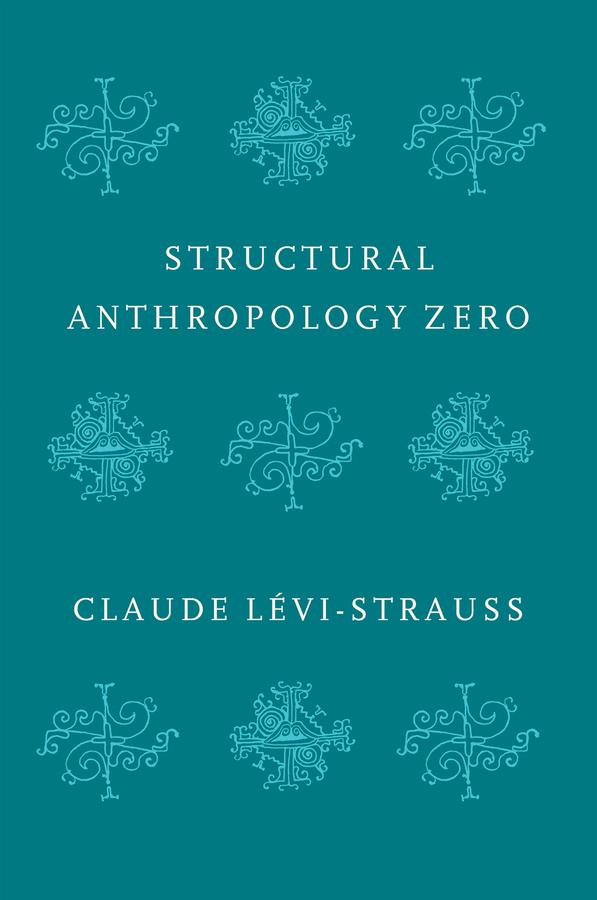
This volume of Lévi-Strauss's writings from 1941 to 1947 bears witness to a period of his work which is often overlooked but which was the crucible for the structural anthropology that he would go on to develop in the years that followed.
Like many European Jewish intellectuals, Lévi-Strauss had sought refuge in New York while the Nazis overran and occupied much of Europe. He had already been introduced to Jakobson and structural linguistics but he had not yet laid out an agenda for structuralism, which he would do in the 1950s and 60s. At the same time, these American years were the time when Lévi-Strauss would learn of some of the world's most devastating historical catastrophes - the genocide of the indigenous American peoples and of European Jews. From the beginning of the 1950s, Lévi-Strauss's anthropology tacitly bears the heavy weight of the memory and possibility of the Shoah. To speak of 'structural anthropology zero' is therefore to refer to the source of a way of thinking which turned our conception of the human on its head. But this prequel to Structural Anthropology also underlines the sense of a tabula rasa which animated its author at the end of the war as well as the project – shared with others – of a civilizational rebirth on novel grounds.
Published here in English for the first time, this volume of Lévi-Strauss’s texts from the 1940s will be of great interest to students and scholars in anthropology, sociology and the social sciences generally.
Płać wygodnie kartą, Klarną, Apple Pay lub Google Pay. Nie jesteś zadowolony? Zawsze masz 14-dniową gwarancję zwrotu pieniędzy. Więcej przeczytasz w naszych warunkach. Masz pytania? Napisz do nas na hello@memmo.org.
Memmo ułatwia naukę – gdziekolwiek jesteś na świecie. U nas znajdziesz podręczniki i sprytne narzędzia do nauki w jednym miejscu: streszczenia, quizy, podcasty i fiszki. A do tego Ted, Twój kumpel do nauki, który odpowie na wszystko, co Cię nurtuje. Ponad 50 000 studentów już tu się uczy – stworzone, byś uczył się szybciej i mniej stresował.