
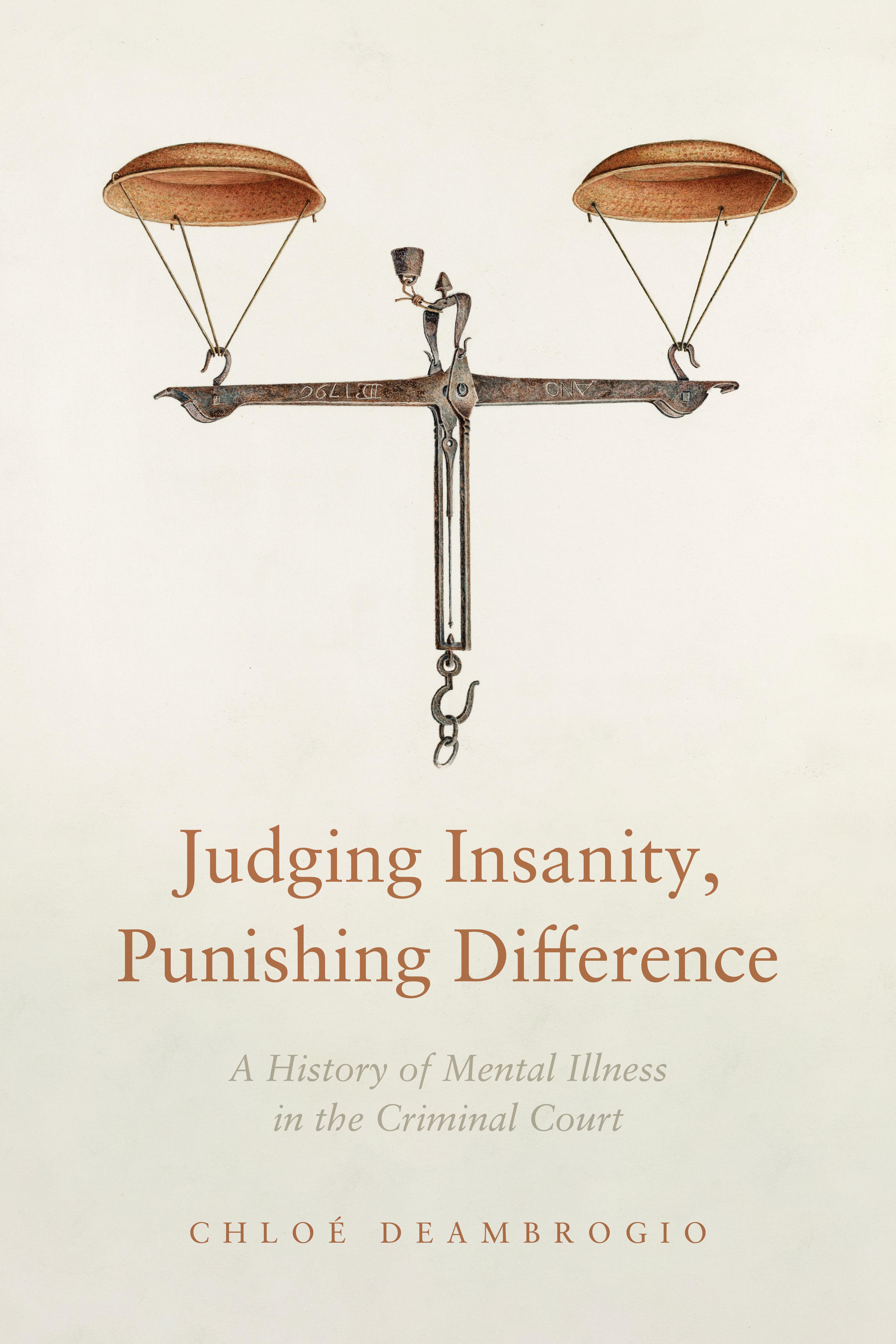
In Judging Insanity, Punishing Difference, Chloé Deambrogio explores how developments in the field of forensic psychiatry shaped American courts' assessments of defendants' mental health and criminal responsibility over the course of the twentieth century. During this period, new psychiatric notions of the mind and its readability, legal doctrines of insanity and diminished culpability, and cultural stereotypes about race and gender shaped the ways in which legal professionals, mental health experts, and lay witnesses approached mental disability evidence, especially in cases carrying the death penalty.
Using Texas as a case study, Deambrogio examines how these medical, legal, and cultural trends shaped psycho-legal debates in state criminal courts, while shedding light on the ways in which experts and lay actors' interpretations of "pathological" mental states influenced trial verdicts in capital cases. She shows that despite mounting pressures from advocates of the "rehabilitative penology," Texas courts maintained a punitive approach towards defendants allegedly affected by severe mental disabilities, while allowing for moralized views about personalities, habits, and lifestyle to influence psycho-legal assessments, in potentially prejudicial ways.
Płać wygodnie kartą, Klarną, Apple Pay lub Google Pay. Nie jesteś zadowolony? Zawsze masz 14-dniową gwarancję zwrotu pieniędzy. Więcej przeczytasz w naszych warunkach. Masz pytania? Napisz do nas na hello@memmo.org.
Memmo ułatwia naukę – gdziekolwiek jesteś na świecie. U nas znajdziesz podręczniki i sprytne narzędzia do nauki w jednym miejscu: streszczenia, quizy, podcasty i fiszki. A do tego Ted, Twój kumpel do nauki, który odpowie na wszystko, co Cię nurtuje. Ponad 50 000 studentów już tu się uczy – stworzone, byś uczył się szybciej i mniej stresował.