
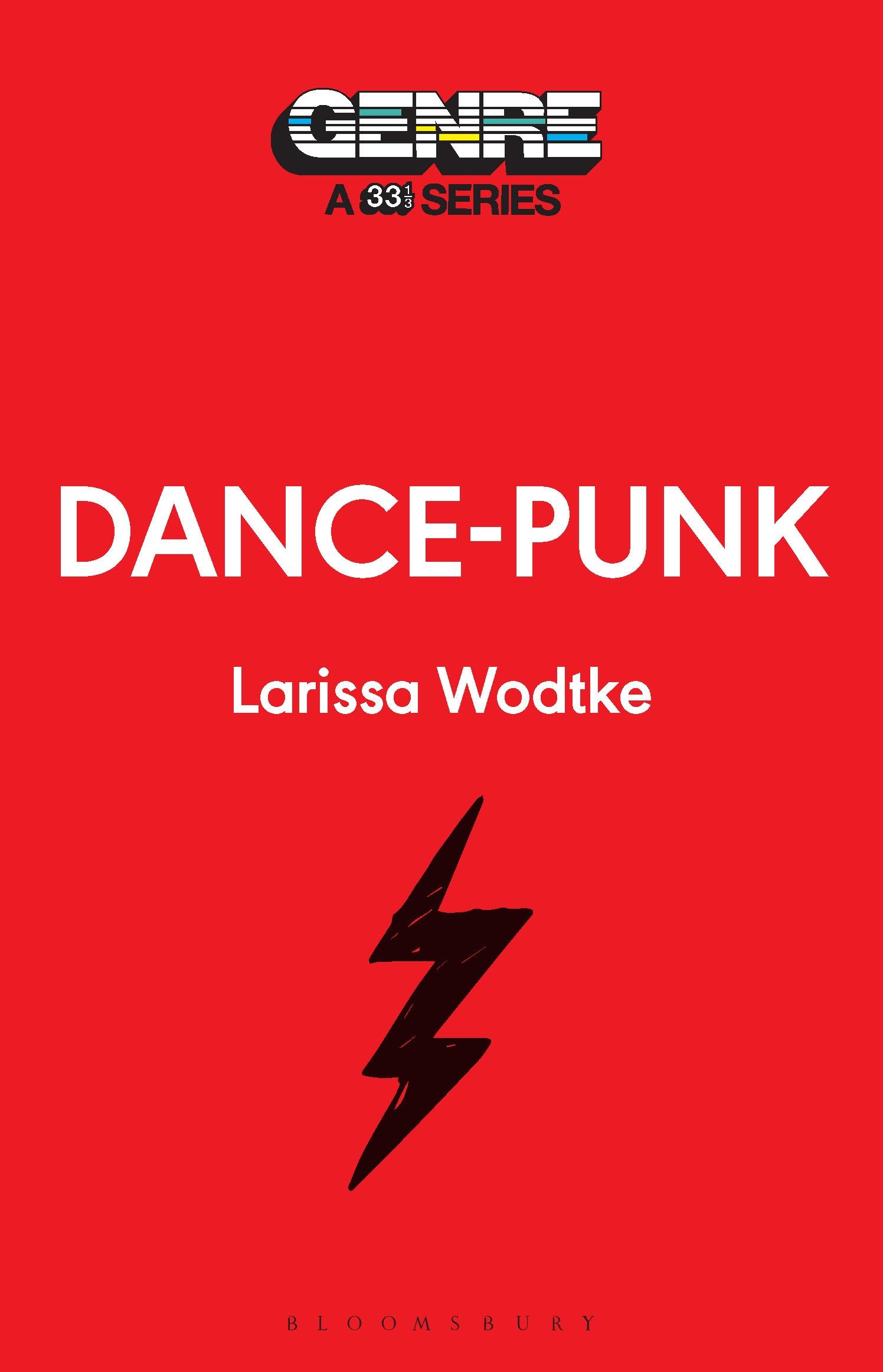
Beginning in the late 1970s as an offshoot of disco and punk, dance-punk is difficult to define. Also sometimes referred to as disco-punk and funk-punk, it skirts, overlaps, and blurs into other genres including post-punk, post-disco, new wave, mutant disco, and synthpop.
This book explores the historical and cultural conditions of the genre as it appeared in the late 1970s and early 1980s and then again in the early 2000s, and illuminates what is at stake in delineating dance-punk as a genre. Looking at bands such as Gang of Four, ESG, Public Image Ltd., LCD Soundsystem, The Rapture, and Le Tigre, this book examines the tensions between and blurring of the rhetoric and emotion in dance music and the cynical and ironic intellectualizing associated with post-punk.
This book explores the historical and cultural conditions of the genre as it appeared in the late 1970s and early 1980s and then again in the early 2000s, and illuminates what is at stake in delineating dance-punk as a genre. Looking at bands such as Gang of Four, ESG, Public Image Ltd., LCD Soundsystem, The Rapture, and Le Tigre, this book examines the tensions between and blurring of the rhetoric and emotion in dance music and the cynical and ironic intellectualizing associated with post-punk.
Płać wygodnie kartą, Klarną, Apple Pay lub Google Pay. Nie jesteś zadowolony? Zawsze masz 14-dniową gwarancję zwrotu pieniędzy. Więcej przeczytasz w naszych warunkach. Masz pytania? Napisz do nas na hello@memmo.org.
Memmo ułatwia naukę – gdziekolwiek jesteś na świecie. U nas znajdziesz podręczniki i sprytne narzędzia do nauki w jednym miejscu: streszczenia, quizy, podcasty i fiszki. A do tego Ted, Twój kumpel do nauki, który odpowie na wszystko, co Cię nurtuje. Ponad 50 000 studentów już tu się uczy – stworzone, byś uczył się szybciej i mniej stresował.