
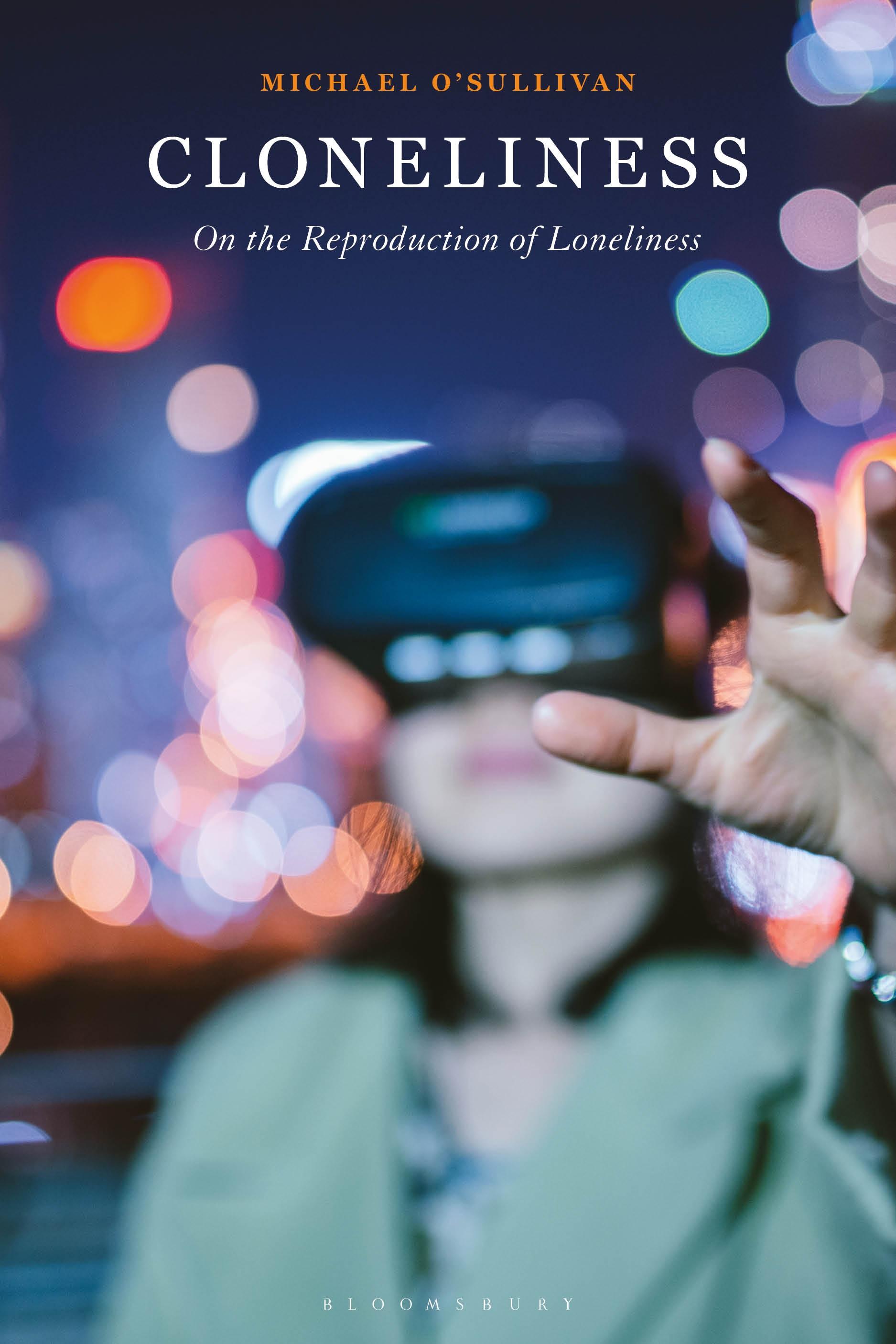
Recent posthuman philosophies, human-computer interface studies, and technology-inspired biopolitical discourses and practices are reinventing and reimagining loneliness in different communities.
Cloneliness: The Reproduction of Loneliness takes a cross-cultural approach to loneliness by examining 20th-century artistic expressions and examinations of loneliness in the context of more recent global expressions grounded in social networks, virtual reality, the biopolitical commons, academic credentialization and such practices as Hikikomori. Newer forms of loneliness, pushed by the algorithms of biopolitical capitalism, result in what this books calls "cloneliness." Michael O'Sullivan plots the transformation in loneliness in literature and philosophy in readings that take us from Henry James and such classic works as Frank O'Connor's The Lonely Voice and Richard Yates's Eleven Kinds of Loneliness to more recent expressions in such writers as David Foster Wallace, Yiyun Li, and Sayaka Murata.
Michael O'Sullivan argues that cloneliness as an institutional practice of reproduction in society nurtures, normalizes, and reproduces loneliness in order to create subjects who are more willing to accept ideologies of competition, “extreme individualism,” and the stresses of being "interconnected loners."
Cloneliness: The Reproduction of Loneliness takes a cross-cultural approach to loneliness by examining 20th-century artistic expressions and examinations of loneliness in the context of more recent global expressions grounded in social networks, virtual reality, the biopolitical commons, academic credentialization and such practices as Hikikomori. Newer forms of loneliness, pushed by the algorithms of biopolitical capitalism, result in what this books calls "cloneliness." Michael O'Sullivan plots the transformation in loneliness in literature and philosophy in readings that take us from Henry James and such classic works as Frank O'Connor's The Lonely Voice and Richard Yates's Eleven Kinds of Loneliness to more recent expressions in such writers as David Foster Wallace, Yiyun Li, and Sayaka Murata.
Michael O'Sullivan argues that cloneliness as an institutional practice of reproduction in society nurtures, normalizes, and reproduces loneliness in order to create subjects who are more willing to accept ideologies of competition, “extreme individualism,” and the stresses of being "interconnected loners."
Płać wygodnie kartą, Klarną, Apple Pay lub Google Pay. Nie jesteś zadowolony? Zawsze masz 14-dniową gwarancję zwrotu pieniędzy. Więcej przeczytasz w naszych warunkach. Masz pytania? Napisz do nas na hello@memmo.org.
Memmo ułatwia naukę – gdziekolwiek jesteś na świecie. U nas znajdziesz podręczniki i sprytne narzędzia do nauki w jednym miejscu: streszczenia, quizy, podcasty i fiszki. A do tego Ted, Twój kumpel do nauki, który odpowie na wszystko, co Cię nurtuje. Ponad 50 000 studentów już tu się uczy – stworzone, byś uczył się szybciej i mniej stresował.