
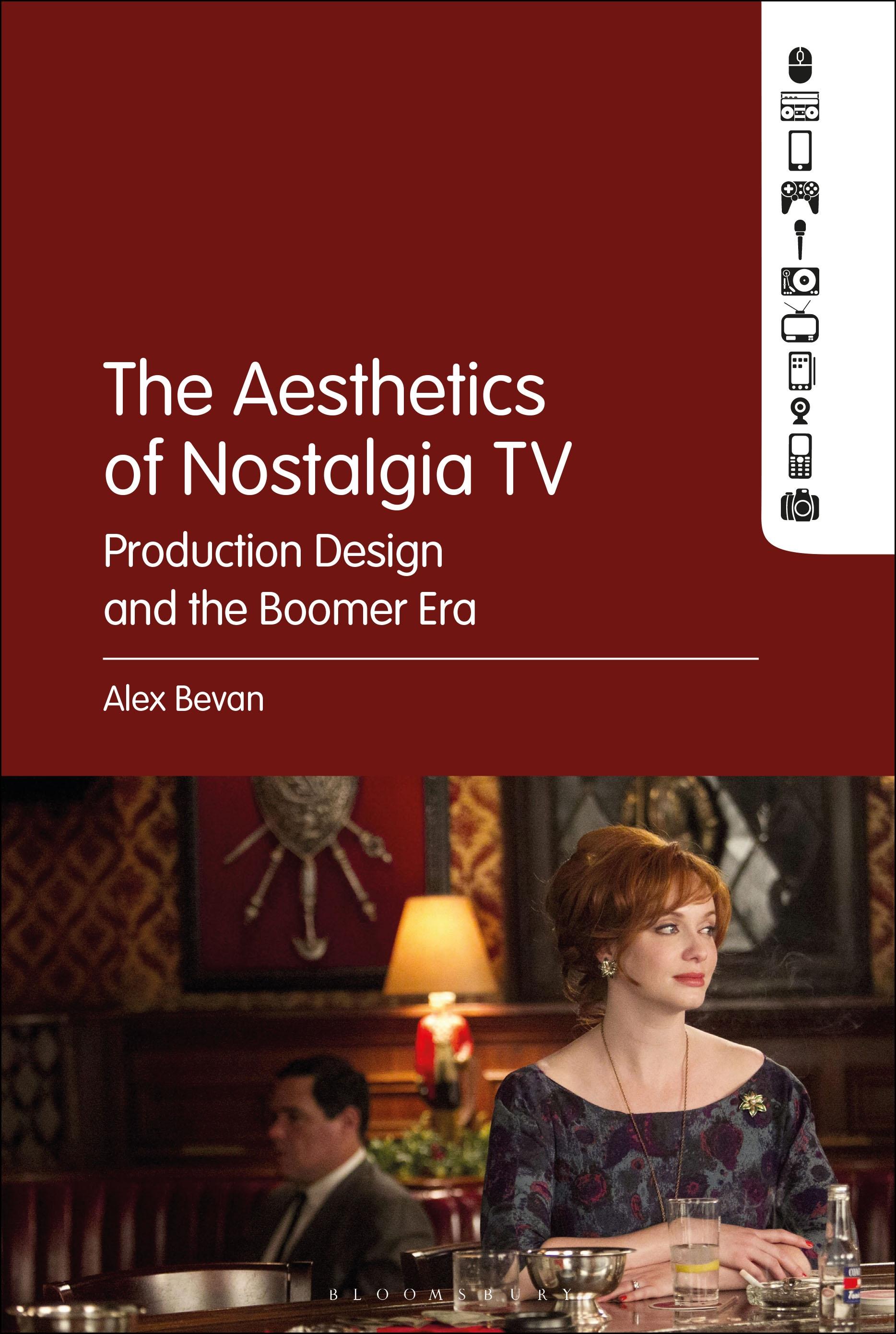
The Aesthetics of Nostalgia TV explores the aesthetic politics of nostalgia for 1950s and 60s America on contemporary television. Specifically, it looks at how nostalgic TV production design shapes and is shaped by larger historical discourses on gender and technological change, and America's perceived decline as a global power. Alex Bevan argues that the aesthetics of nostalgic TV tell stories of their own about historical decline and progress, and the place of the baby boomer television suburb in American national memory. She contests theories on nostalgia that see it as stagnating, regressive, or a reversion to outdated gender and racial politics, and the technophobic longing for a bygone era; and, instead, argues nostalgia is an important form of historical memory and vehicle for negotiating periods of historical transition. The book addresses how and why the shows construct the boomer era as a placeholder for gender, racial, technological, and declensionist discourses of the present. The book uses Mad Men (AMC, 2007-2015), Ugly Betty (ABC, 2006-2010), Desperate Housewives (ABC, 2004-2012), and film remakes of 1950s and 60s family sitcoms as primary case studies.
Płać wygodnie kartą, Klarną, Apple Pay lub Google Pay. Nie jesteś zadowolony? Zawsze masz 14-dniową gwarancję zwrotu pieniędzy. Więcej przeczytasz w naszych warunkach. Masz pytania? Napisz do nas na hello@memmo.org.
Memmo ułatwia naukę – gdziekolwiek jesteś na świecie. U nas znajdziesz podręczniki i sprytne narzędzia do nauki w jednym miejscu: streszczenia, quizy, podcasty i fiszki. A do tego Ted, Twój kumpel do nauki, który odpowie na wszystko, co Cię nurtuje. Ponad 50 000 studentów już tu się uczy – stworzone, byś uczył się szybciej i mniej stresował.