
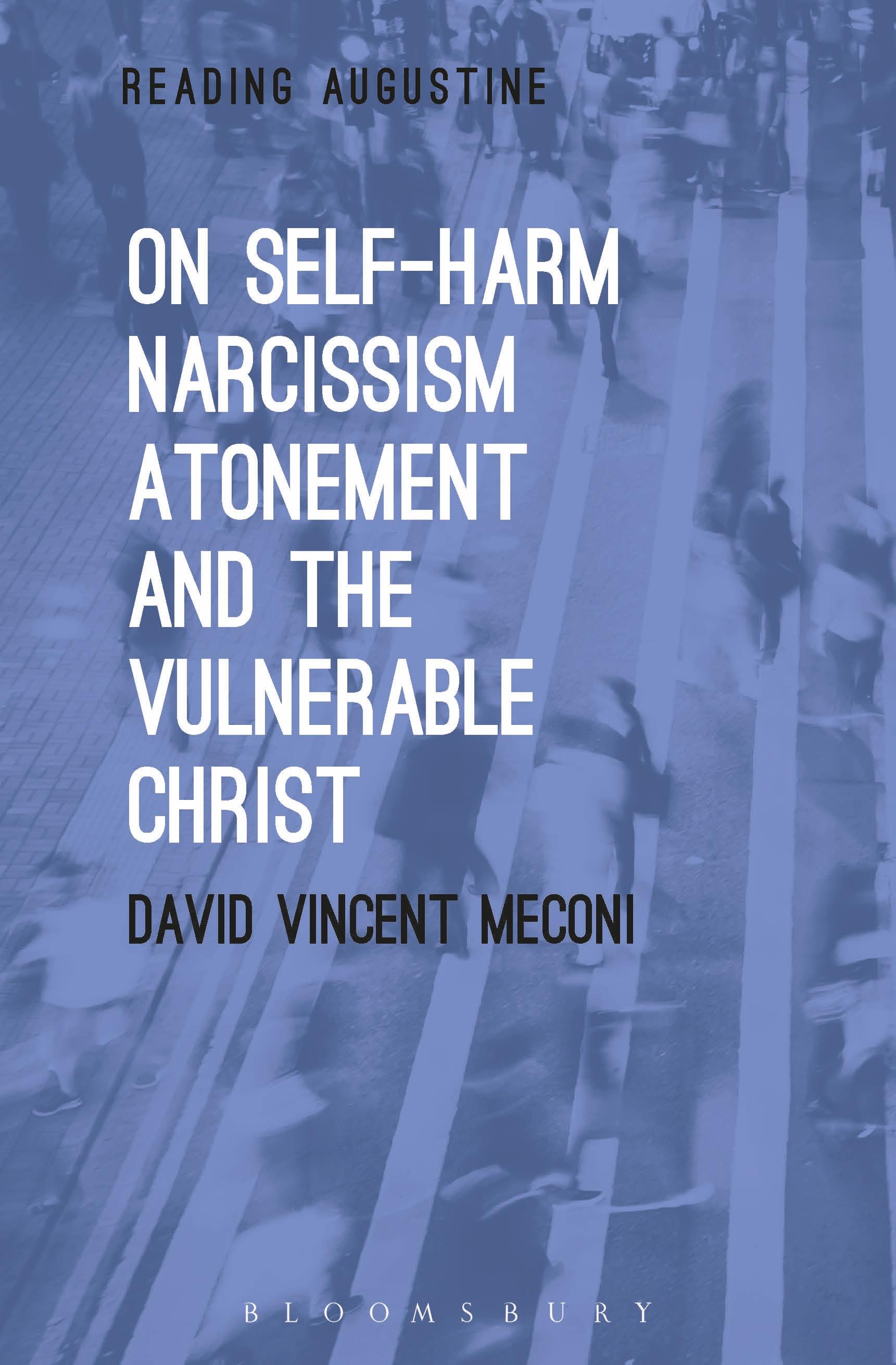
On Self-Harm, Narcissism, Atonement and the Vulnerable Christ explores St. Augustine of Hippo's theology of sin, described as various forms of self-loathing and self-destruction, in addition to sin's antidote, a vulnerable relationship with the crucified Christ. Incorporating recent thinking on self-destruction and self-loathing into his reading of Augustine, David Vincent Meconi explores why we are not only allured by sin, but will actually destroy ourselves to attain it, even when we are all too well aware that this sin will bring us no true, lasting pleasure.
Meconi traces the phenomena of self-destruction and self-loathing from Augustine to today. In particular, he focuses in on how self-love can turn to self-harm, and the need to provide salvage for such woundedness by surrendering to Christ, showing how Augustine's theology of sin and salvation is still crucially applicable in contemporary life and societies.
Meconi traces the phenomena of self-destruction and self-loathing from Augustine to today. In particular, he focuses in on how self-love can turn to self-harm, and the need to provide salvage for such woundedness by surrendering to Christ, showing how Augustine's theology of sin and salvation is still crucially applicable in contemporary life and societies.
Płać wygodnie kartą, Klarną, Apple Pay lub Google Pay. Nie jesteś zadowolony? Zawsze masz 14-dniową gwarancję zwrotu pieniędzy. Więcej przeczytasz w naszych warunkach. Masz pytania? Napisz do nas na hello@memmo.org.
Memmo ułatwia naukę – gdziekolwiek jesteś na świecie. U nas znajdziesz podręczniki i sprytne narzędzia do nauki w jednym miejscu: streszczenia, quizy, podcasty i fiszki. A do tego Ted, Twój kumpel do nauki, który odpowie na wszystko, co Cię nurtuje. Ponad 50 000 studentów już tu się uczy – stworzone, byś uczył się szybciej i mniej stresował.