
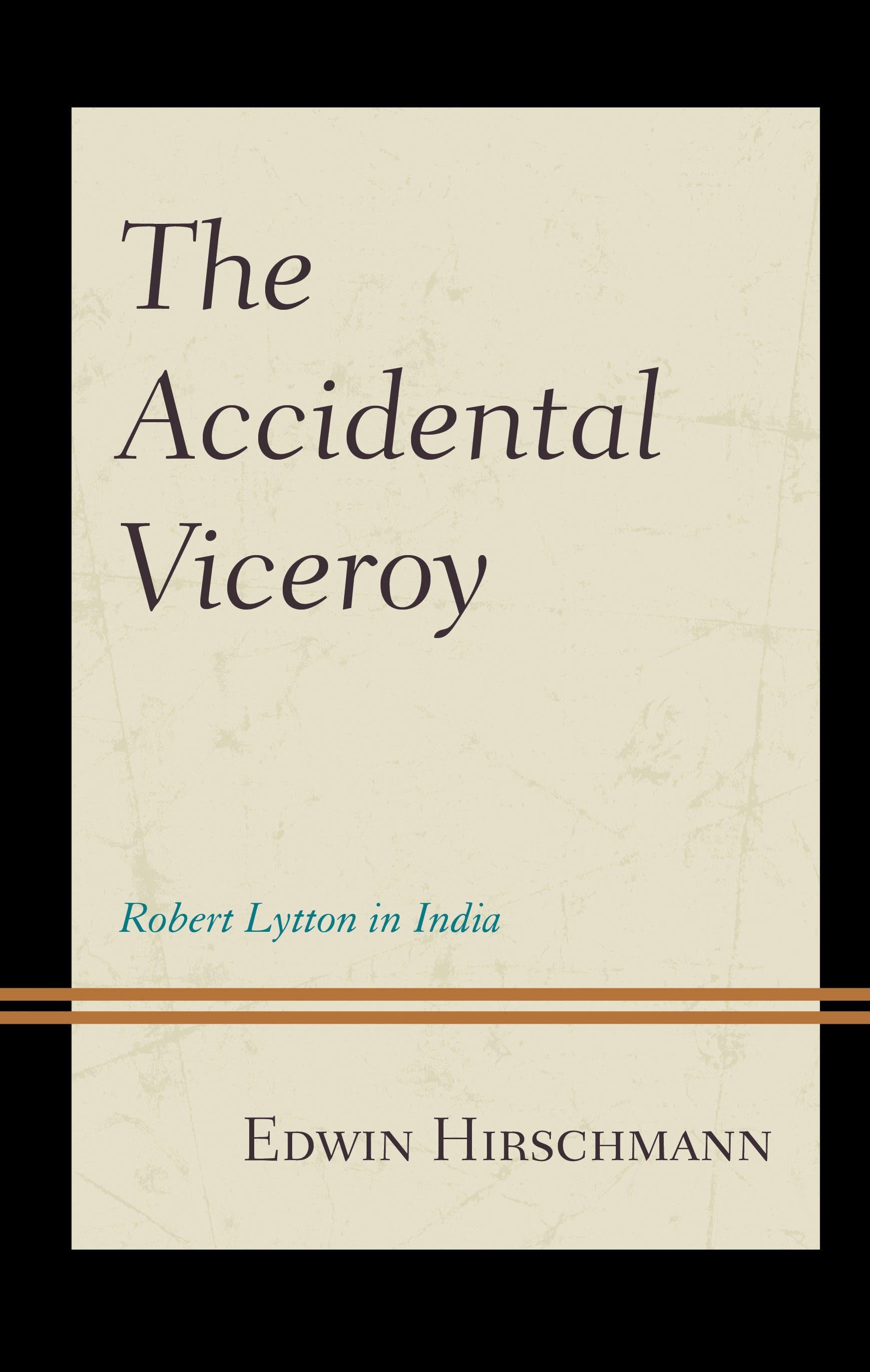
The Age of Imperialism reached its peak in the late nineteenth century. The British Empire was the foremost colonial power, and the keystone was India. However, even at its peak, the British Raj was beset by internal rivalries and fears of external threats. In 1875, British Prime Minister Benjamin Disraeli chose as viceroy Lord Robert Bulwer-Lytton, diplomat and poet, the son of an old friend, but someone with no Indian experience. Lytton accepted reluctantly—and never enjoyed it. He was under the thumb of the Secretary of State for India, the shrewd and ambitious Third Marquess of Salisbury, during most of his four years in India. During his viceroyalty, Lytton had to deal with shifting British policies, a major famine, the freedom-loving people of Afghanistan, an entrenched civil service, and a rising generation of patriotic Indians. In the 1880 elections, Disraeli’s Conservatives were defeated by Gladstone’s Liberals, and Lytton resigned.
Płać wygodnie kartą, Klarną, Apple Pay lub Google Pay. Nie jesteś zadowolony? Zawsze masz 14-dniową gwarancję zwrotu pieniędzy. Więcej przeczytasz w naszych warunkach. Masz pytania? Napisz do nas na hello@memmo.org.
Memmo ułatwia naukę – gdziekolwiek jesteś na świecie. U nas znajdziesz podręczniki i sprytne narzędzia do nauki w jednym miejscu: streszczenia, quizy, podcasty i fiszki. A do tego Ted, Twój kumpel do nauki, który odpowie na wszystko, co Cię nurtuje. Ponad 50 000 studentów już tu się uczy – stworzone, byś uczył się szybciej i mniej stresował.