
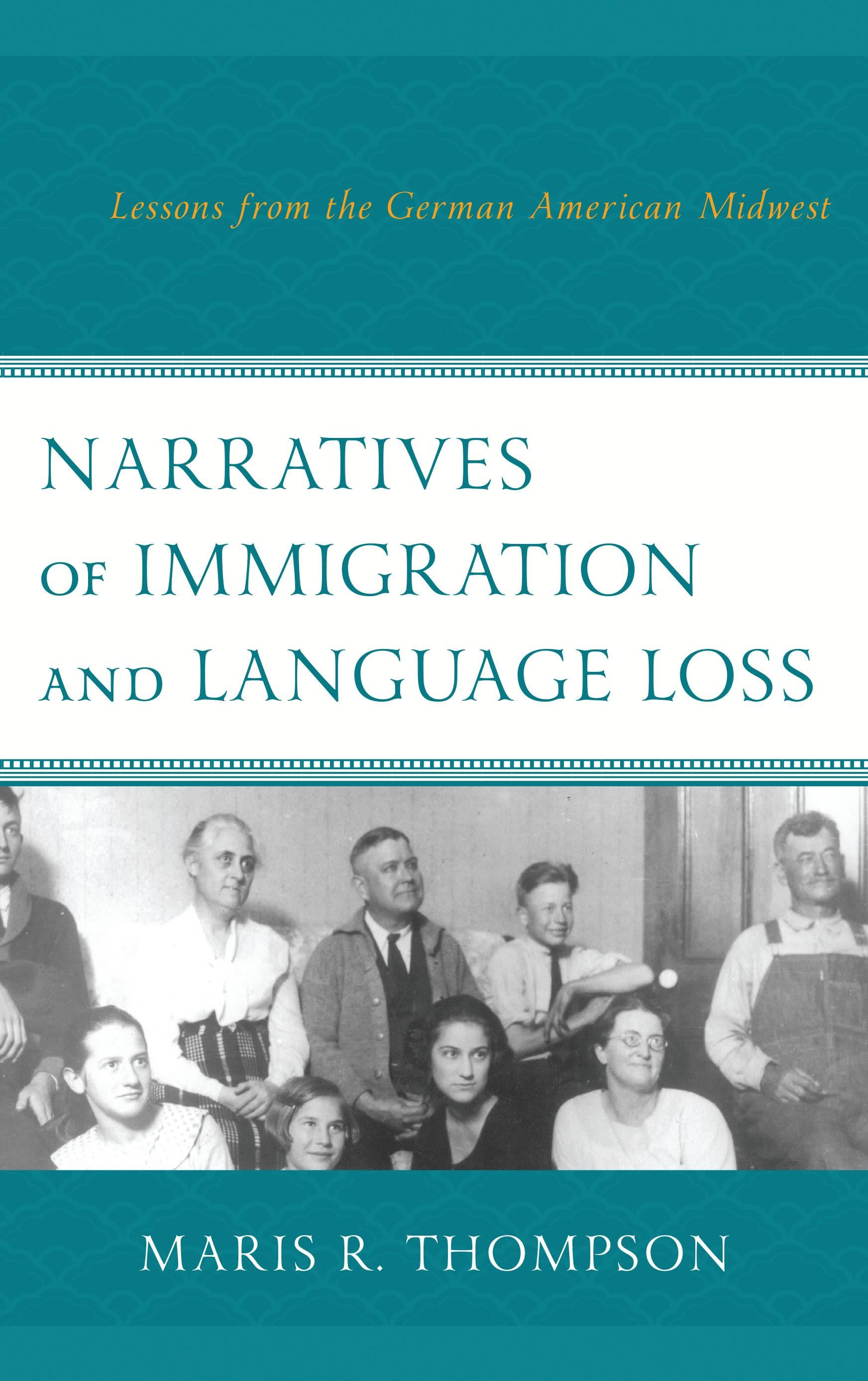
This book examines narratives of anti-German sentiment and language loss from German American communities in southwestern, Illinois. During World War I and II, government sponsored Americanization campaigns brought an abrupt end to German speaking practices in many communities across the Midwest. The narratives and the sociolinguistic practices around their telling detail the experiences of people who were singled out because of their ethnicity and bilingualism and the consequences these experiences had for their families. This work considers how contexts of discrimination informed constructions of the past that people could live with and the impact of these contexts on their beliefs about language and belonging. In addition to stories of past experience, this work also explores narratives of the present. New immigrants are moving to the region for work in local industries and their presence is regarded cautiously by German origin residents. Narrative constructions about new immigrants are considered in light of these shifting demographics and local histories of anti-German sentiment with significant implications for the future of social relationships in these communities.
Płać wygodnie kartą, Klarną, Apple Pay lub Google Pay. Nie jesteś zadowolony? Zawsze masz 14-dniową gwarancję zwrotu pieniędzy. Więcej przeczytasz w naszych warunkach. Masz pytania? Napisz do nas na hello@memmo.org.
Memmo ułatwia naukę – gdziekolwiek jesteś na świecie. U nas znajdziesz podręczniki i sprytne narzędzia do nauki w jednym miejscu: streszczenia, quizy, podcasty i fiszki. A do tego Ted, Twój kumpel do nauki, który odpowie na wszystko, co Cię nurtuje. Ponad 50 000 studentów już tu się uczy – stworzone, byś uczył się szybciej i mniej stresował.