
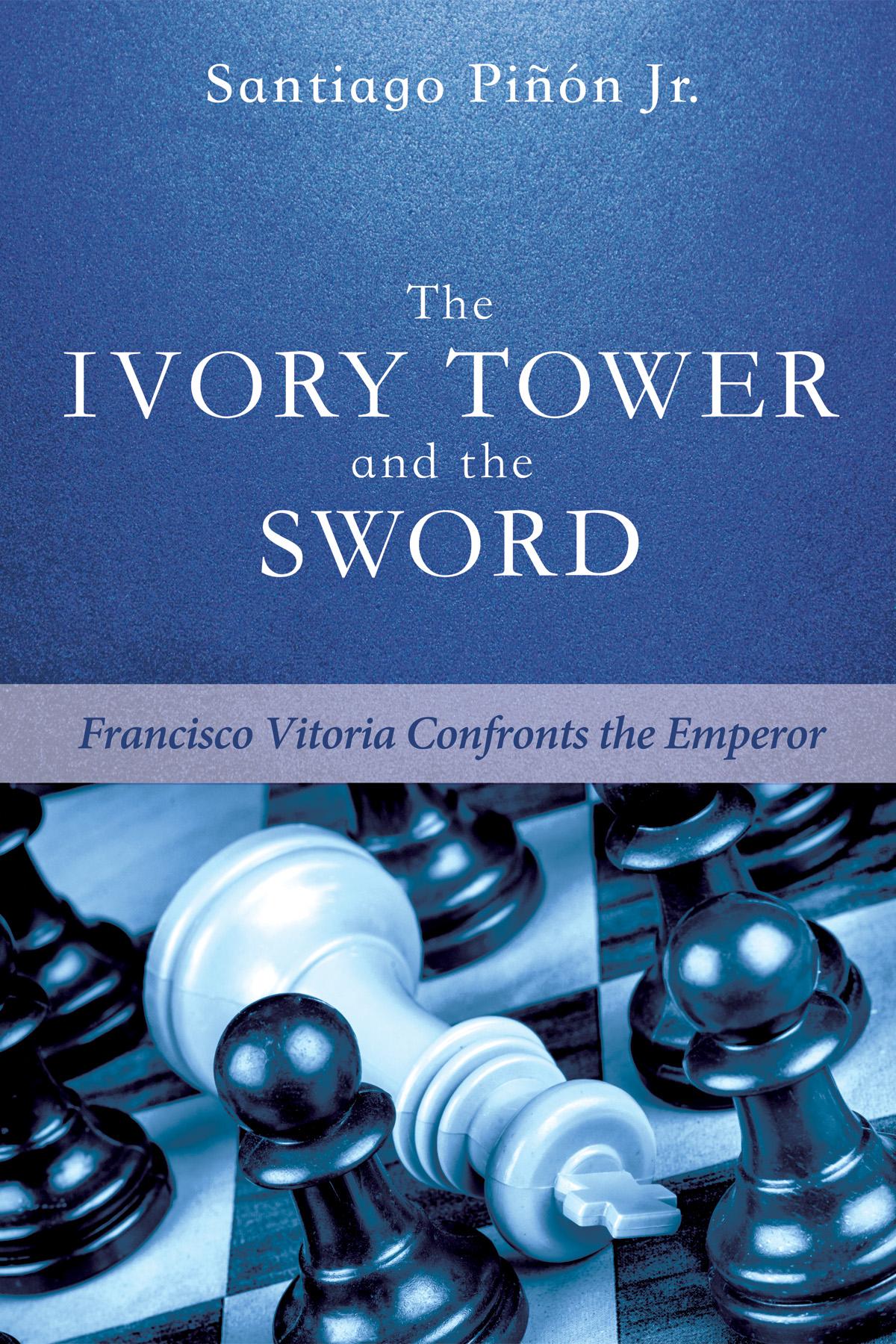
How can one be interested in social justice without participating in public protests? Must one go to jail for one's convictions in order to have integrity and legitimacy? Have academics succumbed to the negative connotations of the ivory tower by remaining in their cubicles, unaware of the social ills that threaten the very core of society? Or, is it possible for individuals who sit comfortably at their desks to have legitimate input into the evils that surround the cities in which we live? These are some of the questions that prompted The Ivory Tower and the Sword. By turning our attention to Francisco Vitoria, Santiago Pinon offers insight into a thought-provoking individual who was deeply concerned with the social injustices that his countrymen were committing. Living in the sixteenth century, Vitoria knew of the torturous practices that his fellow Spaniards had been conducting against the native peoples of the New World. Using the influence of his position as an academic theologian, Vitoria challenged these practices and held the Spanish emperor accountable for failing to intervene on behalf of the native peoples. From Vitoria we learn how to confront social ills from the ivory tower.
Płać wygodnie kartą, Klarną, Apple Pay lub Google Pay. Nie jesteś zadowolony? Zawsze masz 14-dniową gwarancję zwrotu pieniędzy. Więcej przeczytasz w naszych warunkach. Masz pytania? Napisz do nas na hello@memmo.org.
Memmo ułatwia naukę – gdziekolwiek jesteś na świecie. U nas znajdziesz podręczniki i sprytne narzędzia do nauki w jednym miejscu: streszczenia, quizy, podcasty i fiszki. A do tego Ted, Twój kumpel do nauki, który odpowie na wszystko, co Cię nurtuje. Ponad 50 000 studentów już tu się uczy – stworzone, byś uczył się szybciej i mniej stresował.
Może Ci się spodobać
Kup książkę0