
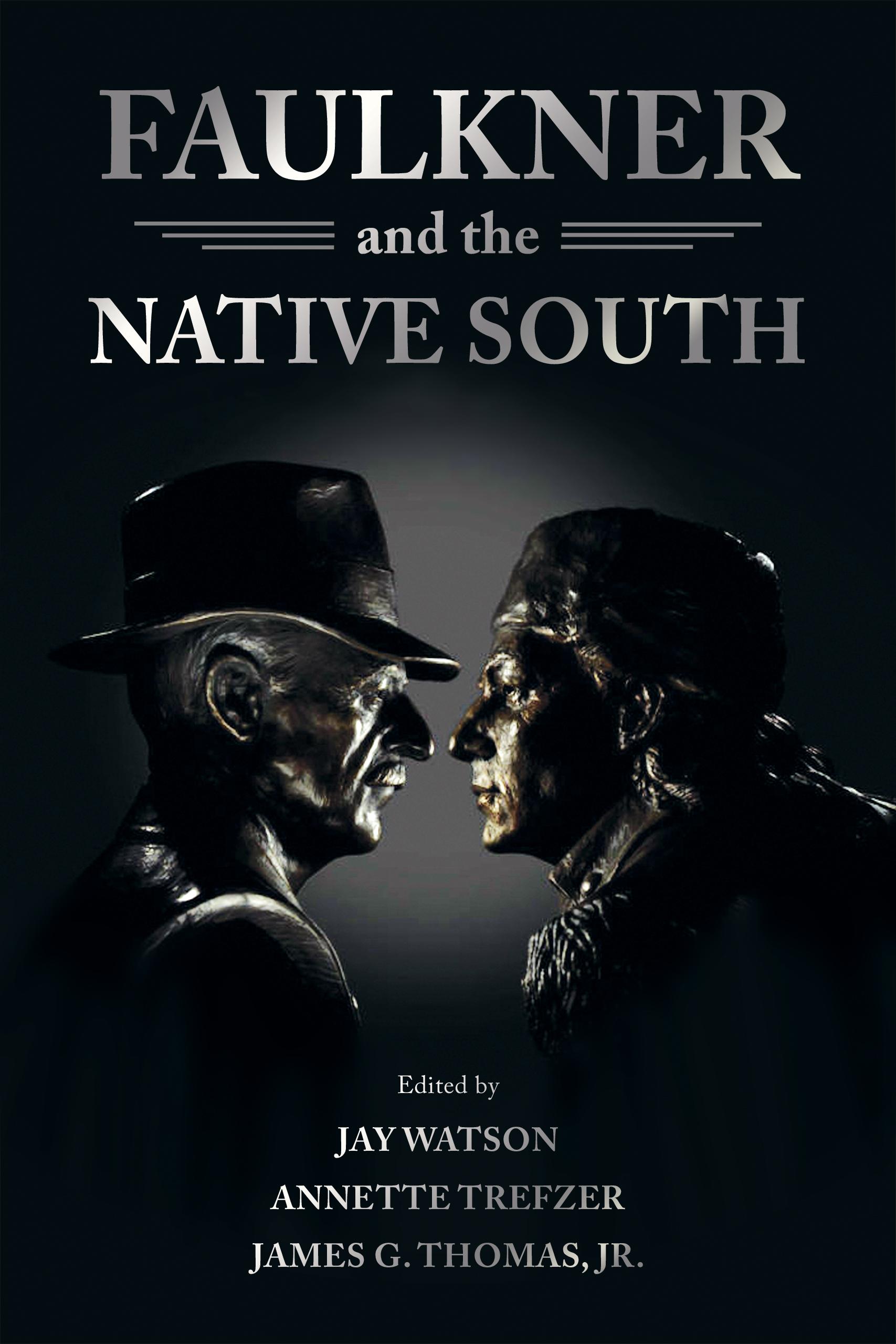
Contributions by Eric Gary Anderson, Melanie R. Anderson, Jodi A. Byrd, Gina Caison, Robbie Ethridge, Patricia Galloway, LeAnne Howe, John Wharton Lowe, Katherine M. B. Osburn, Melanie Benson Taylor, Annette Trefzer, and Jay Watson
From new insights into the Chickasaw sources and far-reaching implications of Faulkner’s fictional place-name “Yoknapatawpha,” to discussions that reveal the potential for indigenous land-, family-, and story-based methodologies to deepen understanding of Faulkner’s fiction (including but not limited to the novels and stories he devoted explicitly to Native American topics), the eleven essays of this volume advance the critical analysis of Faulkner’s Native South and the Native South’s Faulkner. Critics push beyond assessments of the historical accuracy of his Native representations and the colonial hybridity of his Indian characters. Essayists turn instead to indigenous intellectual culture for new models, problems, and questions to bring to Faulkner studies. Along the way, readers are treated to illuminating comparisons between Faulkner’s writings and the work of a number of Native American authors, filmmakers, tribal leaders, and historical figures.
Faulkner and the Native South brings together Native and non-Native scholars in a stimulating and often surprising critical dialogue about the indigenous wellsprings of Faulkner’s creative energies and about Faulkner’s own complicated presence in Native American literary history.
From new insights into the Chickasaw sources and far-reaching implications of Faulkner’s fictional place-name “Yoknapatawpha,” to discussions that reveal the potential for indigenous land-, family-, and story-based methodologies to deepen understanding of Faulkner’s fiction (including but not limited to the novels and stories he devoted explicitly to Native American topics), the eleven essays of this volume advance the critical analysis of Faulkner’s Native South and the Native South’s Faulkner. Critics push beyond assessments of the historical accuracy of his Native representations and the colonial hybridity of his Indian characters. Essayists turn instead to indigenous intellectual culture for new models, problems, and questions to bring to Faulkner studies. Along the way, readers are treated to illuminating comparisons between Faulkner’s writings and the work of a number of Native American authors, filmmakers, tribal leaders, and historical figures.
Faulkner and the Native South brings together Native and non-Native scholars in a stimulating and often surprising critical dialogue about the indigenous wellsprings of Faulkner’s creative energies and about Faulkner’s own complicated presence in Native American literary history.
Płać wygodnie kartą, Klarną, Apple Pay lub Google Pay. Nie jesteś zadowolony? Zawsze masz 14-dniową gwarancję zwrotu pieniędzy. Więcej przeczytasz w naszych warunkach. Masz pytania? Napisz do nas na hello@memmo.org.
Memmo ułatwia naukę – gdziekolwiek jesteś na świecie. U nas znajdziesz podręczniki i sprytne narzędzia do nauki w jednym miejscu: streszczenia, quizy, podcasty i fiszki. A do tego Ted, Twój kumpel do nauki, który odpowie na wszystko, co Cię nurtuje. Ponad 50 000 studentów już tu się uczy – stworzone, byś uczył się szybciej i mniej stresował.
Może Ci się spodobać
Kup książkę0