
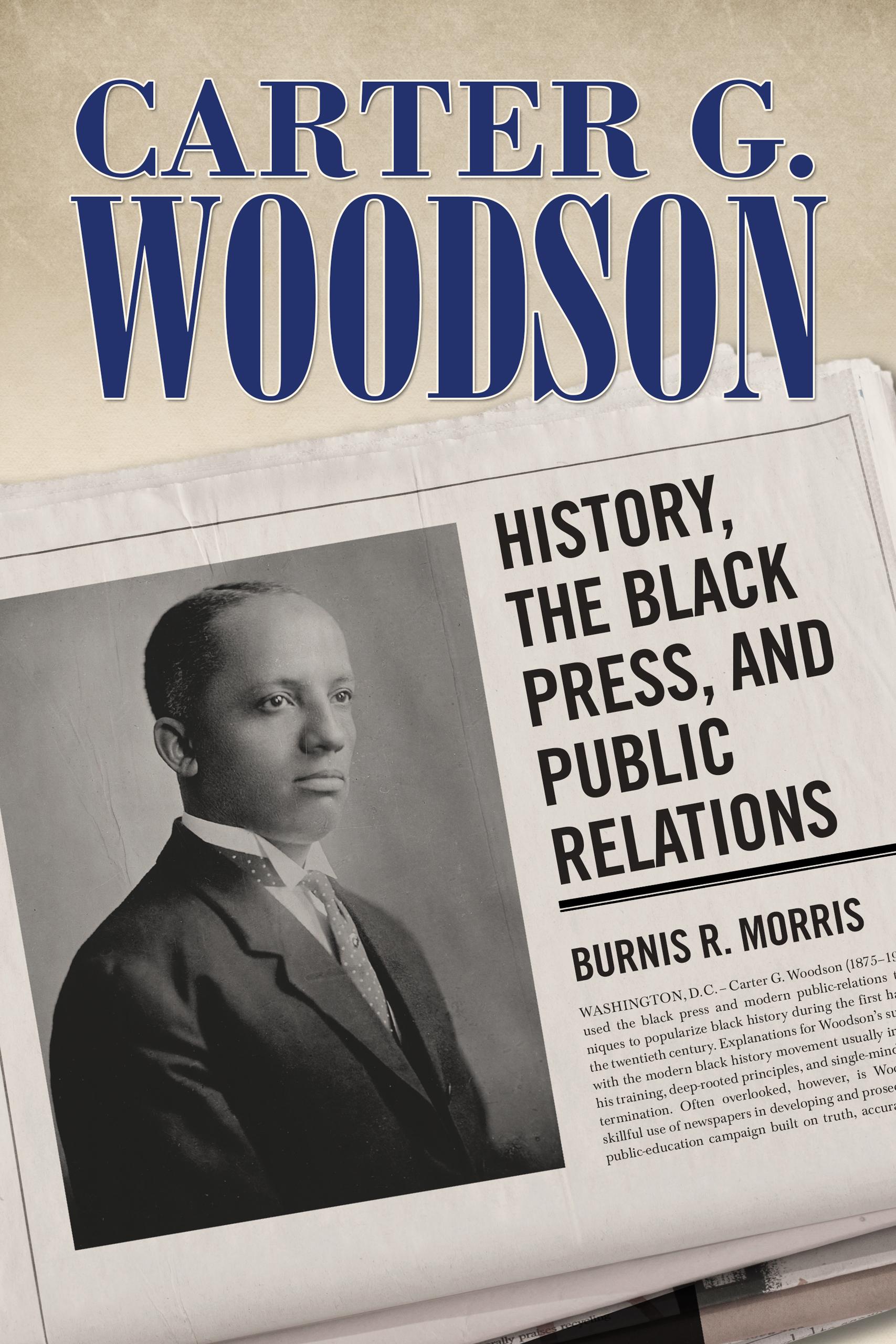
This study reveals how historian Carter G. Woodson (1875-1950) used the black press and modern public relations techniques to popularize black history during the first half of the twentieth century. Explanations for Woodson's success with the modern black history movement usually include his training, deep-rooted principles, and single-minded determination. Often overlooked, however, is Woodson's skillful use of newspapers in developing and executing a public education campaign built on truth, accuracy, fairness, and education. Burnis R. Morris explains how Woodson attracted mostly favorable news coverage for his history movement due to his deep understanding of the newspapers' business and editorial models as well as his public relations skills, which helped him merge the interests of the black press with his cause.
Woodson's publicity tactics, combined with access to the audiences granted him by the press, enabled him to drive the black history movement--particularly observance of Negro History Week and fundraising activities. Morris analyzes Woodson's periodicals, newspaper articles, letters, and other archived documents describing Woodson's partnership with the black press and his role as a publicist. This rarely explored side of Woodson, who was often called the "Father of Black History," reintroduces Woodson's lost image as a leading cultural icon who used his celebrity in multiple roles as an opinion journalist, newsmaker, and publicist of black history to bring veneration to a disrespected subject. During his active professional career, 1915-1950, Woodson merged his interests and the interests of the black newspapers. His cause became their cause.
Woodson's publicity tactics, combined with access to the audiences granted him by the press, enabled him to drive the black history movement--particularly observance of Negro History Week and fundraising activities. Morris analyzes Woodson's periodicals, newspaper articles, letters, and other archived documents describing Woodson's partnership with the black press and his role as a publicist. This rarely explored side of Woodson, who was often called the "Father of Black History," reintroduces Woodson's lost image as a leading cultural icon who used his celebrity in multiple roles as an opinion journalist, newsmaker, and publicist of black history to bring veneration to a disrespected subject. During his active professional career, 1915-1950, Woodson merged his interests and the interests of the black newspapers. His cause became their cause.
Płać wygodnie kartą, Klarną, Apple Pay lub Google Pay. Nie jesteś zadowolony? Zawsze masz 14-dniową gwarancję zwrotu pieniędzy. Więcej przeczytasz w naszych warunkach. Masz pytania? Napisz do nas na hello@memmo.org.
Memmo ułatwia naukę – gdziekolwiek jesteś na świecie. U nas znajdziesz podręczniki i sprytne narzędzia do nauki w jednym miejscu: streszczenia, quizy, podcasty i fiszki. A do tego Ted, Twój kumpel do nauki, który odpowie na wszystko, co Cię nurtuje. Ponad 50 000 studentów już tu się uczy – stworzone, byś uczył się szybciej i mniej stresował.
Może Ci się spodobać
Kup książkę0