
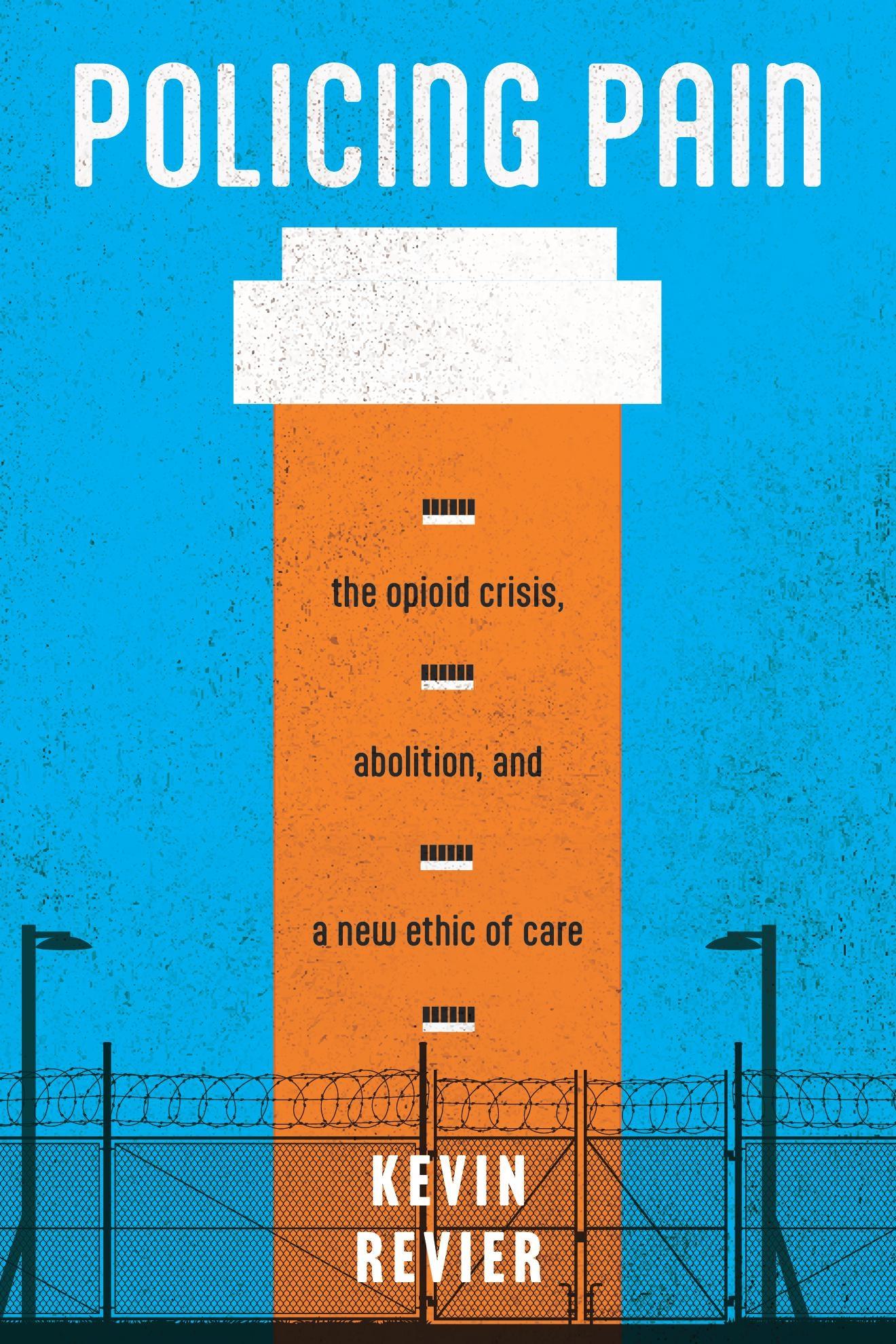
How the medicalization of addiction during the U.S. opioid crisis has driven mass incarceration and mass policing in rural and deindustrialized communities
The nationwide opioid public health emergency has led many advocates and public officials to call for drug policy reforms that reject traditional “law-and-order” approaches. In Policing Pain, Kevin Revier approaches the opioid epidemic from an abolitionist framework that seeks to treat people who use opioids not as so-called criminals, but as people in need of health care. Based on two years of ethnographic research in Upstate New York, a region highly impacted by overdoses, job loss, and deindustrialization, Revier shows that incorporation of treatment within the criminal justice system has ultimately expanded the scope of the drug war, turning individuals into "treatable carceral subjects" who are both medicalized and criminalized.
He argues that the incorporation of medical rhetoric and treatment within the criminal legal system maintains a carceral approach in rural and low-income areas facing high rates of opioid overdose and economic disinvestment, further entrenching the carceral state in the lives of people who use drugs. Ultimately, Policing Pain explores alternative strategies to promote harm reduction from an abolitionist ethic of care that advocates for people who use drugs while seeking to minimize criminal justice involvement in drug-related issues.
Płać wygodnie kartą, Klarną, Apple Pay lub Google Pay. Nie jesteś zadowolony? Zawsze masz 14-dniową gwarancję zwrotu pieniędzy. Więcej przeczytasz w naszych warunkach. Masz pytania? Napisz do nas na hello@memmo.org.
Memmo ułatwia naukę – gdziekolwiek jesteś na świecie. U nas znajdziesz podręczniki i sprytne narzędzia do nauki w jednym miejscu: streszczenia, quizy, podcasty i fiszki. A do tego Ted, Twój kumpel do nauki, który odpowie na wszystko, co Cię nurtuje. Ponad 50 000 studentów już tu się uczy – stworzone, byś uczył się szybciej i mniej stresował.