
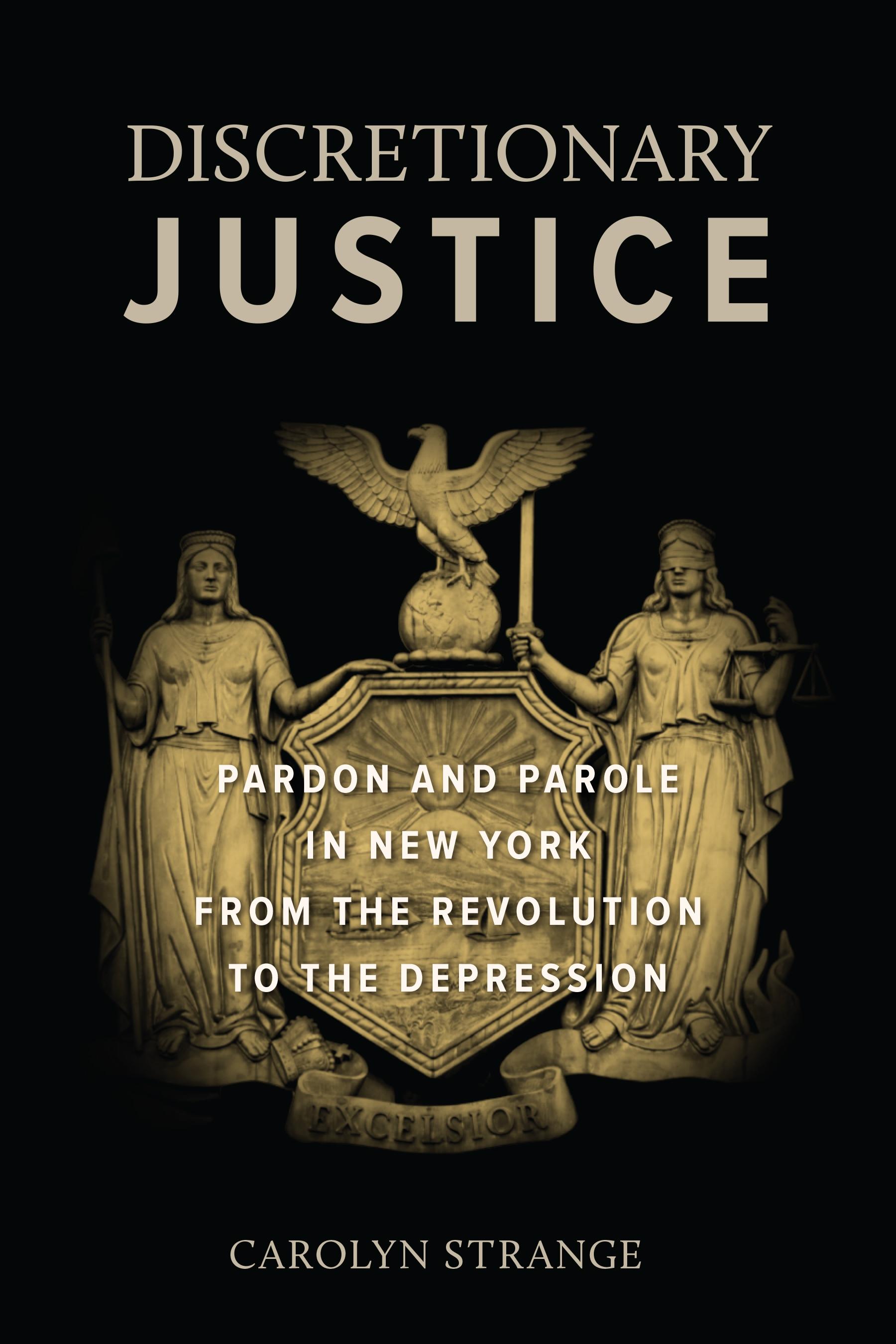
The pardon is an act of mercy, tied to the divine right of kings. Why did New York retain this mode of discretionary justice after the Revolution? And how did governors’ use of this prerogative change with the advent of the penitentiary and the introduction of parole? This book answers these questions by mining previously unexplored evidence held in official pardon registers, clemency files, prisoner aid association reports and parole records.
This is the first book to analyze the histories of mercy and parole through the same lens, as related but distinct forms of discretionary decision-making. It draws on governors’ public papers and private correspondence to probe their approach to clemency, and it uses qualitative and quantitative methods to profile petitions for mercy, highlighting controversial cases that stirred public debate. Political pressure to render the use of discretion more certain and less personal grew stronger over the nineteenth century, peaking during constitutional conventionsand reaching its height in the Progressive Era. Yet, New York’s legislators left the power to pardon in the governor’s hands, where it remains today.
Unlike previous works that portray parole as the successor to the pardon, this book shows that reliance upon and faith in discretion has proven remarkably resilient, even in the state that led the world toward penal modernity.
Płać wygodnie kartą, Klarną, Apple Pay lub Google Pay. Nie jesteś zadowolony? Zawsze masz 14-dniową gwarancję zwrotu pieniędzy. Więcej przeczytasz w naszych warunkach. Masz pytania? Napisz do nas na hello@memmo.org.
Memmo ułatwia naukę – gdziekolwiek jesteś na świecie. U nas znajdziesz podręczniki i sprytne narzędzia do nauki w jednym miejscu: streszczenia, quizy, podcasty i fiszki. A do tego Ted, Twój kumpel do nauki, który odpowie na wszystko, co Cię nurtuje. Ponad 50 000 studentów już tu się uczy – stworzone, byś uczył się szybciej i mniej stresował.