
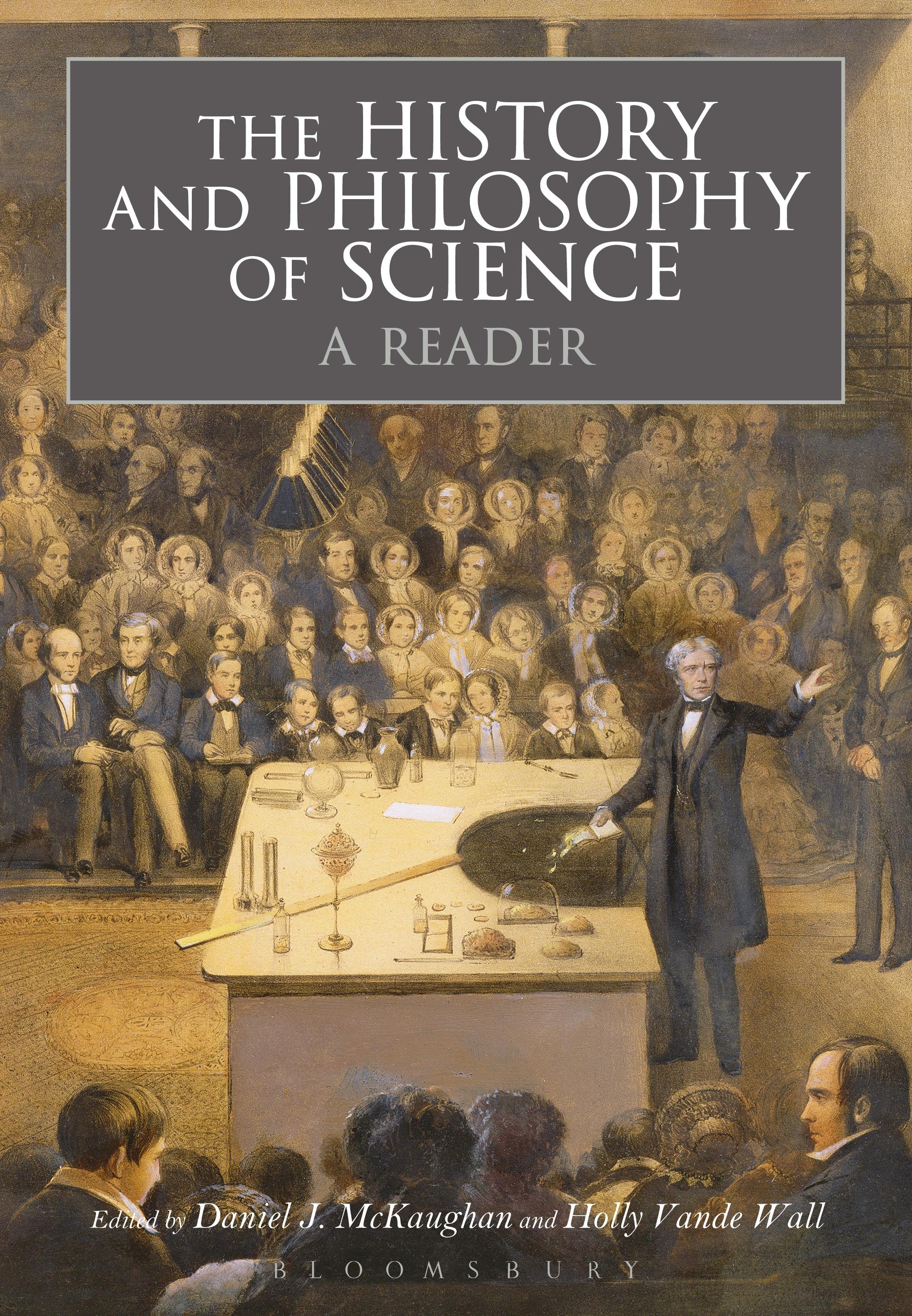
The History and Philosophy of Science: A Reader brings together seminal texts from antiquity to the end of the nineteenth century and makes them accessible in one volume for the first time.
With readings from Aristotle, Aquinas, Copernicus, Galileo, Descartes, Newton, Lavoisier, Linnaeus, Darwin, Faraday, and Maxwell, it analyses and discusses major classical, medieval and modern texts and figures from the natural sciences. Grouped by topic to clarify the development of methods and disciplines and the unification of theories, each section includes an introduction, suggestions for further reading and end-of-section discussion questions, allowing students to develop the skills needed to:
§ read, interpret, and critically engage with central problems and ideas from the history and philosophy of science
§ understand and evaluate scientific material found in a wide variety of professional and popular settings
§ appreciate the social and cultural context in which scientific ideas emerge
§ identify the roles that mathematics plays in scientific inquiry
Featuring primary sources in all the core scientific fields - astronomy, physics, chemistry, and the life sciences - The History and Philosophy of Science: A Reader is ideal for students looking to better understand the origins of natural science and the questions asked throughout its history. By taking a thematic approach to introduce influential assumptions, methods and answers, this reader illustrates the implications of an impressive range of values and ideas across the history and philosophy of Western science.
With readings from Aristotle, Aquinas, Copernicus, Galileo, Descartes, Newton, Lavoisier, Linnaeus, Darwin, Faraday, and Maxwell, it analyses and discusses major classical, medieval and modern texts and figures from the natural sciences. Grouped by topic to clarify the development of methods and disciplines and the unification of theories, each section includes an introduction, suggestions for further reading and end-of-section discussion questions, allowing students to develop the skills needed to:
§ read, interpret, and critically engage with central problems and ideas from the history and philosophy of science
§ understand and evaluate scientific material found in a wide variety of professional and popular settings
§ appreciate the social and cultural context in which scientific ideas emerge
§ identify the roles that mathematics plays in scientific inquiry
Featuring primary sources in all the core scientific fields - astronomy, physics, chemistry, and the life sciences - The History and Philosophy of Science: A Reader is ideal for students looking to better understand the origins of natural science and the questions asked throughout its history. By taking a thematic approach to introduce influential assumptions, methods and answers, this reader illustrates the implications of an impressive range of values and ideas across the history and philosophy of Western science.
Płać wygodnie kartą, Klarną, Apple Pay lub Google Pay. Nie jesteś zadowolony? Zawsze masz 14-dniową gwarancję zwrotu pieniędzy. Więcej przeczytasz w naszych warunkach. Masz pytania? Napisz do nas na hello@memmo.org.
Memmo ułatwia naukę – gdziekolwiek jesteś na świecie. U nas znajdziesz podręczniki i sprytne narzędzia do nauki w jednym miejscu: streszczenia, quizy, podcasty i fiszki. A do tego Ted, Twój kumpel do nauki, który odpowie na wszystko, co Cię nurtuje. Ponad 50 000 studentów już tu się uczy – stworzone, byś uczył się szybciej i mniej stresował.