
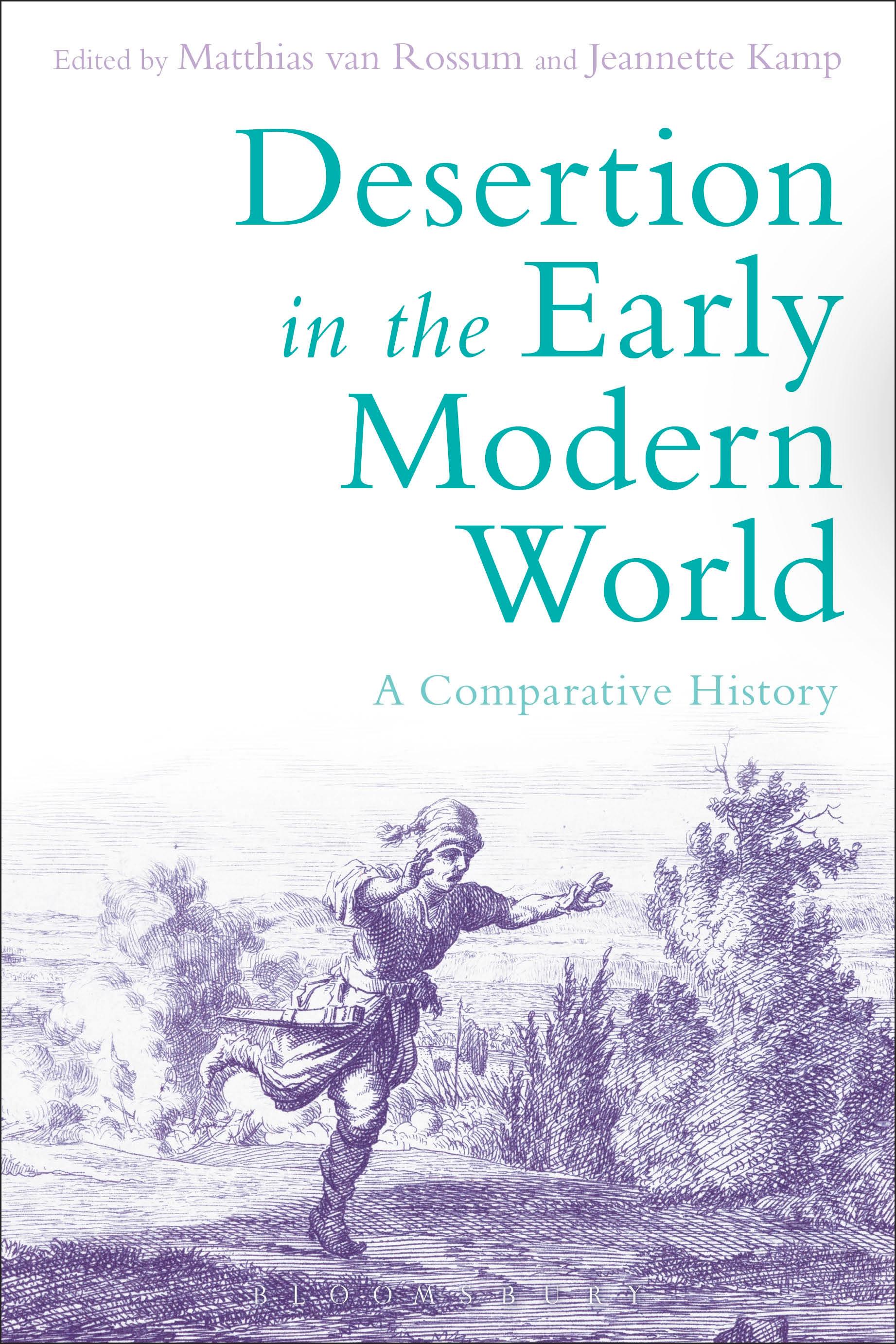
Early modern globalization was built on a highly labour intensive infrastructure. This book looks at the millions of workers who were needed to operate the ships, ports, store houses, forts and factories crucial to local and global exchange. These sailors, soldiers, craftsmen and slaves were crucial to globalization but were also confronted with the process of globalization themselves. They were often migrants who worked, directly or indirectly, for trading companies, merchants and producers that tried to discipline and control their labour force.
The contributors to this volume offer an integrated, thematic study of the global history of desertion in European, Atlantic and Asian contexts. By tracing and comparing acts and patterns of desertion across empires, economic systems, regions and types of workers, Desertion in the Early Modern World illuminates the crucial role of practices of desertion among workers in shaping the history of imperial and economic expansion in the early modern period.
The contributors to this volume offer an integrated, thematic study of the global history of desertion in European, Atlantic and Asian contexts. By tracing and comparing acts and patterns of desertion across empires, economic systems, regions and types of workers, Desertion in the Early Modern World illuminates the crucial role of practices of desertion among workers in shaping the history of imperial and economic expansion in the early modern period.
Płać wygodnie kartą, Klarną, Apple Pay lub Google Pay. Nie jesteś zadowolony? Zawsze masz 14-dniową gwarancję zwrotu pieniędzy. Więcej przeczytasz w naszych warunkach. Masz pytania? Napisz do nas na hello@memmo.org.
Memmo ułatwia naukę – gdziekolwiek jesteś na świecie. U nas znajdziesz podręczniki i sprytne narzędzia do nauki w jednym miejscu: streszczenia, quizy, podcasty i fiszki. A do tego Ted, Twój kumpel do nauki, który odpowie na wszystko, co Cię nurtuje. Ponad 50 000 studentów już tu się uczy – stworzone, byś uczył się szybciej i mniej stresował.