
'Based on many years of personal research, and a thorough knowledge of the European literature, the authors provide an eminently readable account of the biology of the Common Buzzard. Whatever your interests in birds, I can recommend this book for its content of information and insight.' – Professor Ian Newton OBE, FRS, FRSE
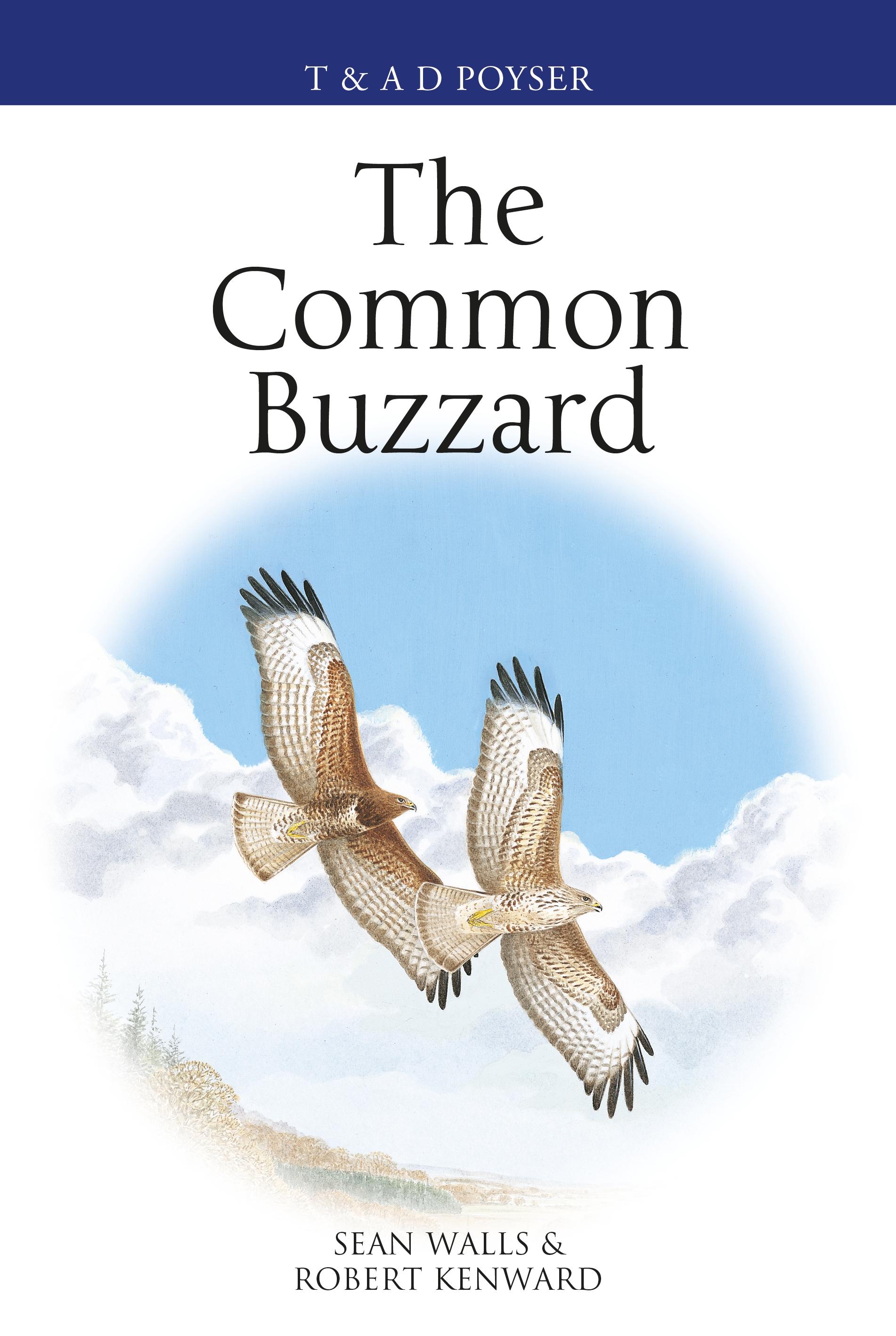
Soaring majestically on thermals with broad wings raised, the Common Buzzard is a familiar sight for many people across Eurasia. In fact, thanks to a remarkable ability to adapt to local conditions, it is now one of the most abundant hawks in the world. The Common Buzzard can exploit a variety of nest sites, and has an eclectic diet that ranges from earthworms and voles to woodpigeons and even deer carcasses.
This is a species rich in paradoxes. Why does a hawk evolved for hunting small mammals thrive on invertebrates and carrion? How can a raptor renowned for dramatic territorial displays occur at such high densities? And why does such a large bird that can travel long distances spend so much time in small areas? Sean Walls and Robert Kenward delve deep into the ecology of the Common Buzzard to provide answers to these questions and many more, as well as examining the conservation conundrums raised by this bird.
Bringing together a wealth of research on the species' origins, feeding behaviour and breeding, along with information on movement and survival from the authors' own studies, The Common Buzzard provides an invaluable insight into exactly what has enabled this marvellous raptor to return to old haunts to impress, inspire and connect people with nature.
Soaring majestically on thermals with broad wings raised, the Common Buzzard is a familiar sight for many people across Eurasia. In fact, thanks to a remarkable ability to adapt to local conditions, it is now one of the most abundant hawks in the world. The Common Buzzard can exploit a variety of nest sites, and has an eclectic diet that ranges from earthworms and voles to woodpigeons and even deer carcasses.
This is a species rich in paradoxes. Why does a hawk evolved for hunting small mammals thrive on invertebrates and carrion? How can a raptor renowned for dramatic territorial displays occur at such high densities? And why does such a large bird that can travel long distances spend so much time in small areas? Sean Walls and Robert Kenward delve deep into the ecology of the Common Buzzard to provide answers to these questions and many more, as well as examining the conservation conundrums raised by this bird.
Bringing together a wealth of research on the species' origins, feeding behaviour and breeding, along with information on movement and survival from the authors' own studies, The Common Buzzard provides an invaluable insight into exactly what has enabled this marvellous raptor to return to old haunts to impress, inspire and connect people with nature.
Płać wygodnie kartą, Klarną, Apple Pay lub Google Pay. Nie jesteś zadowolony? Zawsze masz 14-dniową gwarancję zwrotu pieniędzy. Więcej przeczytasz w naszych warunkach. Masz pytania? Napisz do nas na hello@memmo.org.
Memmo ułatwia naukę – gdziekolwiek jesteś na świecie. U nas znajdziesz podręczniki i sprytne narzędzia do nauki w jednym miejscu: streszczenia, quizy, podcasty i fiszki. A do tego Ted, Twój kumpel do nauki, który odpowie na wszystko, co Cię nurtuje. Ponad 50 000 studentów już tu się uczy – stworzone, byś uczył się szybciej i mniej stresował.