
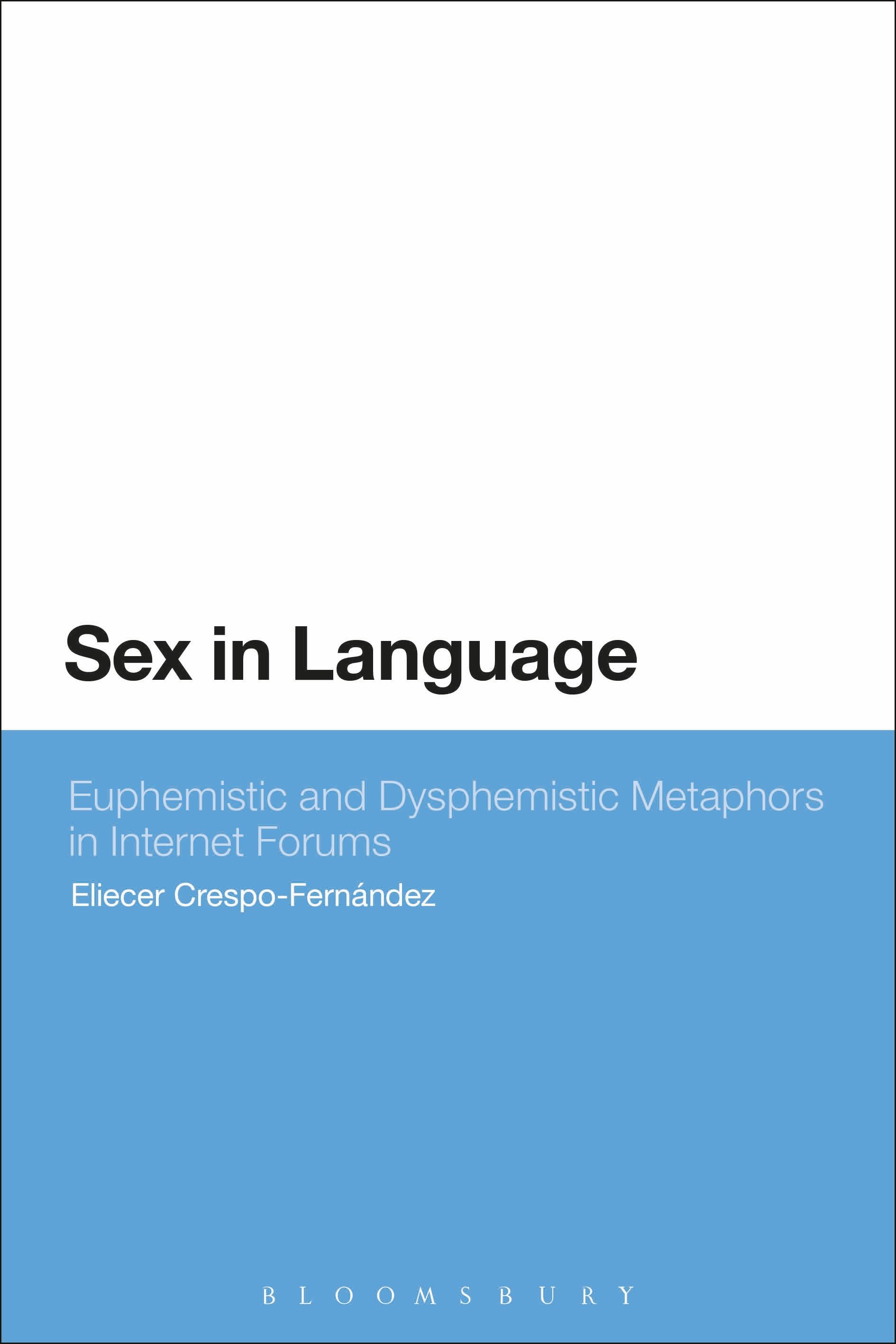
Metaphor has long provided a rich way to speak about the unspeakable, to refer to delicate issues. Sex is one such area. This book follows a cognitive-linguistic and relevance-theoretic approach to the language of sex, considering metaphor as a bridge that brings together mind and language. It does this through the analysis of the antithetical mechanisms of verbal mitigation and offence. These two mechanisms are (more commonly know as) euphemism and (its lesser known companion term) dysphemism.
The volume reflects on the social and communicative functions that sexual metaphors perform in a sample of almost two hundred postings taken from internet forums. How do people think about sex? How do people avoid talking about sex? How do people paraphrase sexual topics? It offers an account of how real language users understand sexual taboo in present-day English and also a great grounding in manual corpus work on a qualitative level.
The volume reflects on the social and communicative functions that sexual metaphors perform in a sample of almost two hundred postings taken from internet forums. How do people think about sex? How do people avoid talking about sex? How do people paraphrase sexual topics? It offers an account of how real language users understand sexual taboo in present-day English and also a great grounding in manual corpus work on a qualitative level.
Płać wygodnie kartą, Klarną, Apple Pay lub Google Pay. Nie jesteś zadowolony? Zawsze masz 14-dniową gwarancję zwrotu pieniędzy. Więcej przeczytasz w naszych warunkach. Masz pytania? Napisz do nas na hello@memmo.org.
Memmo ułatwia naukę – gdziekolwiek jesteś na świecie. U nas znajdziesz podręczniki i sprytne narzędzia do nauki w jednym miejscu: streszczenia, quizy, podcasty i fiszki. A do tego Ted, Twój kumpel do nauki, który odpowie na wszystko, co Cię nurtuje. Ponad 50 000 studentów już tu się uczy – stworzone, byś uczył się szybciej i mniej stresował.