
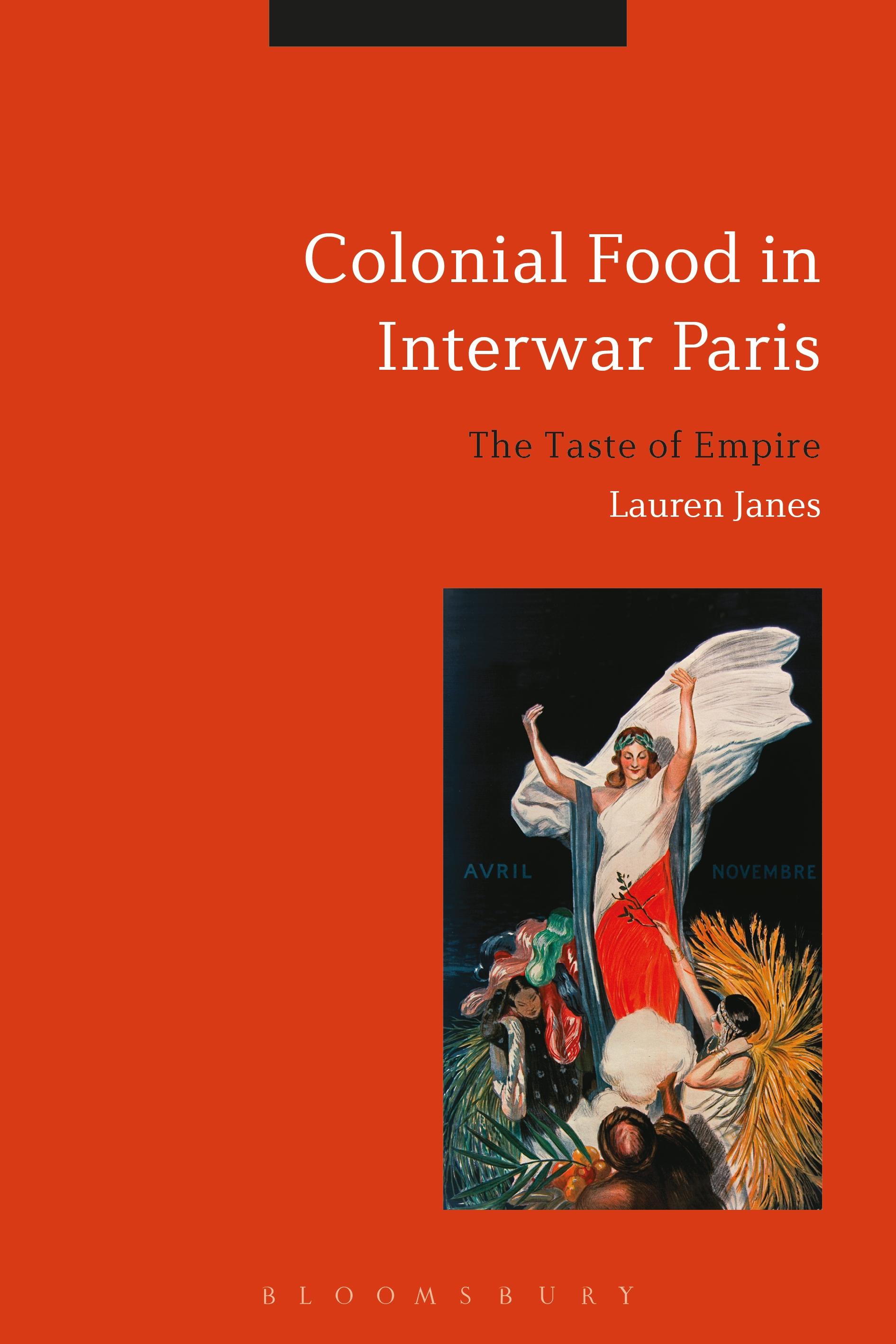
In the wake of the First World War, in which France suffered severe food shortages, colonial produce became an increasingly important element of the French diet. The colonial lobby seized upon these foodstuffs as powerful symbols of the importance of the colonial project to the life of the French nation. But how was colonial food really received by the French public? And what does this tell us about the place of empire in French society?
In Colonial Food in Interwar Paris, Lauren Janes disputes the claim that empire was central to French history and identity, arguing that the distrust of colonial food reflected a wider disinterest in the empire. From Indochinese rice to North African grains and tropical fruit to curry powder, this book offers an intriguing and original challenge to current orthodoxy about the centrality of empire to modern France by examining the place of colonial foods in the nation's capital.
In Colonial Food in Interwar Paris, Lauren Janes disputes the claim that empire was central to French history and identity, arguing that the distrust of colonial food reflected a wider disinterest in the empire. From Indochinese rice to North African grains and tropical fruit to curry powder, this book offers an intriguing and original challenge to current orthodoxy about the centrality of empire to modern France by examining the place of colonial foods in the nation's capital.
Płać wygodnie kartą, Klarną, Apple Pay lub Google Pay. Nie jesteś zadowolony? Zawsze masz 14-dniową gwarancję zwrotu pieniędzy. Więcej przeczytasz w naszych warunkach. Masz pytania? Napisz do nas na hello@memmo.org.
Memmo ułatwia naukę – gdziekolwiek jesteś na świecie. U nas znajdziesz podręczniki i sprytne narzędzia do nauki w jednym miejscu: streszczenia, quizy, podcasty i fiszki. A do tego Ted, Twój kumpel do nauki, który odpowie na wszystko, co Cię nurtuje. Ponad 50 000 studentów już tu się uczy – stworzone, byś uczył się szybciej i mniej stresował.