
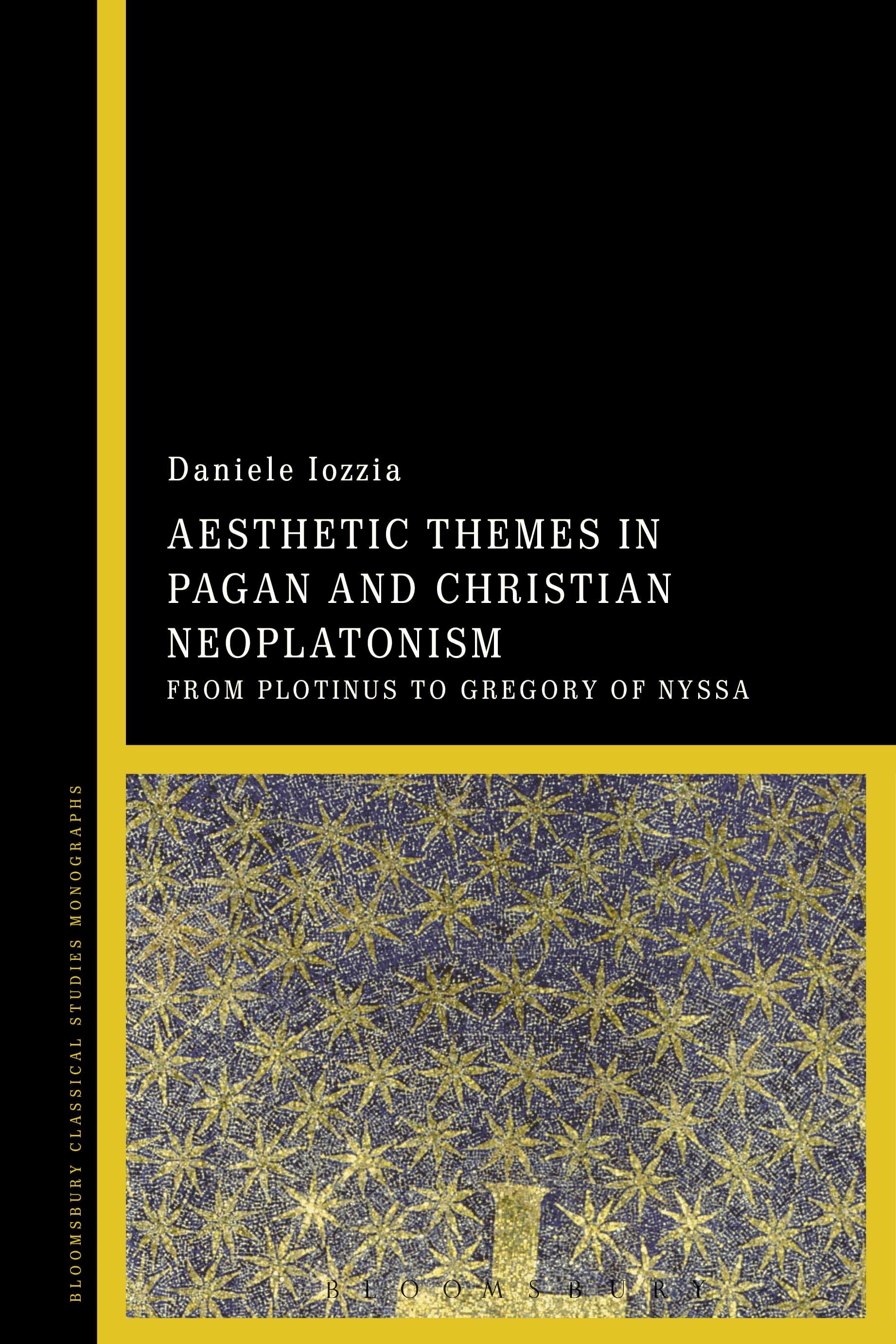
Whilst aesthetics as a discipline did not exist before the modern age, ancient philosophers give many insights about beauty and art. In Late Antiquity Plotinus confronted the problem of beauty and the value of the arts. Plotinus' reflections have an important role in the development of the concept of the value of artistic imagination during the Renaissance and the Romantic era, but he also influenced the artistic taste of his time.
Aesthetic Themes in Pagan and Christian Neoplatonism reconstructs the aesthetic philosophical views of Late Antiquity, and their relation to artistic production of the time. By examining the resonance of Plotinus' thought with contemporary artists and with Christian thinkers, including Gregory of Nyssa, the book demonstrates the importance of Plotinus' treatise On Beauty for the development of late ancient aesthetics. The Cappadocian fathers' interest in Plotinus is explored, as well as the consequent legacy of the pagan thinker's philosophy within Christian thought, such as the concept of beauty and the narration of the contemplative experience.
Uniquely utilising philological and philosophical insight, as well as exploring both pagan and Christian philosophy, Aesthetic Themes in Pagan and Christian Neoplatonism represents the first comprehensive synthesis of aesthetic thought of Late Antiquity.
Aesthetic Themes in Pagan and Christian Neoplatonism reconstructs the aesthetic philosophical views of Late Antiquity, and their relation to artistic production of the time. By examining the resonance of Plotinus' thought with contemporary artists and with Christian thinkers, including Gregory of Nyssa, the book demonstrates the importance of Plotinus' treatise On Beauty for the development of late ancient aesthetics. The Cappadocian fathers' interest in Plotinus is explored, as well as the consequent legacy of the pagan thinker's philosophy within Christian thought, such as the concept of beauty and the narration of the contemplative experience.
Uniquely utilising philological and philosophical insight, as well as exploring both pagan and Christian philosophy, Aesthetic Themes in Pagan and Christian Neoplatonism represents the first comprehensive synthesis of aesthetic thought of Late Antiquity.
Płać wygodnie kartą, Klarną, Apple Pay lub Google Pay. Nie jesteś zadowolony? Zawsze masz 14-dniową gwarancję zwrotu pieniędzy. Więcej przeczytasz w naszych warunkach. Masz pytania? Napisz do nas na hello@memmo.org.
Memmo ułatwia naukę – gdziekolwiek jesteś na świecie. U nas znajdziesz podręczniki i sprytne narzędzia do nauki w jednym miejscu: streszczenia, quizy, podcasty i fiszki. A do tego Ted, Twój kumpel do nauki, który odpowie na wszystko, co Cię nurtuje. Ponad 50 000 studentów już tu się uczy – stworzone, byś uczył się szybciej i mniej stresował.