
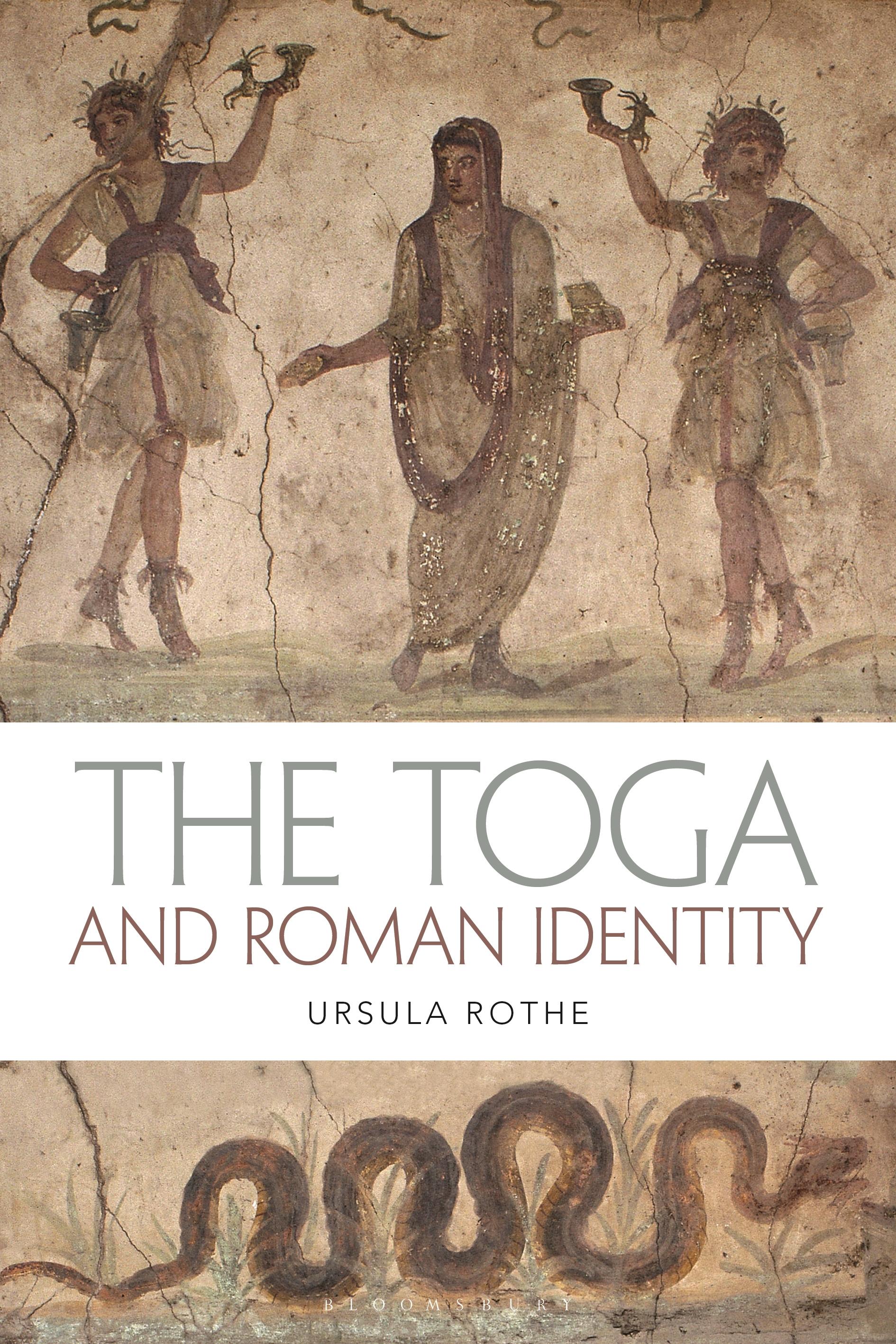
This book traces the toga's history from its origins in the Etruscan garment known as the tebenna, through its use as an everyday garment in the Republican period to its increasingly exclusive role as a symbol of privilege in the Principate and its decline in use in late antiquity. It aims to shift the scholarly view of the toga from one dominated by its role as a feature of Roman art to one in which it is seen as an everyday object and a highly charged symbol that in its various forms was central to the definition and negotiation of important gender, age and status boundaries, as well as political stances and ideologies.
It discusses the toga's significance not just in Rome itself, but also in the provinces, where it reveals ideas about cultural identity, status and the role of the Roman state. The Toga and Roman Identity shows that, by looking in detail at the history of Rome's national garment, we can gain a better understanding of the complexities of Roman identity for different groups in society, as well as what it meant, at any given time, to be 'Roman'.
It discusses the toga's significance not just in Rome itself, but also in the provinces, where it reveals ideas about cultural identity, status and the role of the Roman state. The Toga and Roman Identity shows that, by looking in detail at the history of Rome's national garment, we can gain a better understanding of the complexities of Roman identity for different groups in society, as well as what it meant, at any given time, to be 'Roman'.
Płać wygodnie kartą, Klarną, Apple Pay lub Google Pay. Nie jesteś zadowolony? Zawsze masz 14-dniową gwarancję zwrotu pieniędzy. Więcej przeczytasz w naszych warunkach. Masz pytania? Napisz do nas na hello@memmo.org.
Memmo ułatwia naukę – gdziekolwiek jesteś na świecie. U nas znajdziesz podręczniki i sprytne narzędzia do nauki w jednym miejscu: streszczenia, quizy, podcasty i fiszki. A do tego Ted, Twój kumpel do nauki, który odpowie na wszystko, co Cię nurtuje. Ponad 50 000 studentów już tu się uczy – stworzone, byś uczył się szybciej i mniej stresował.