
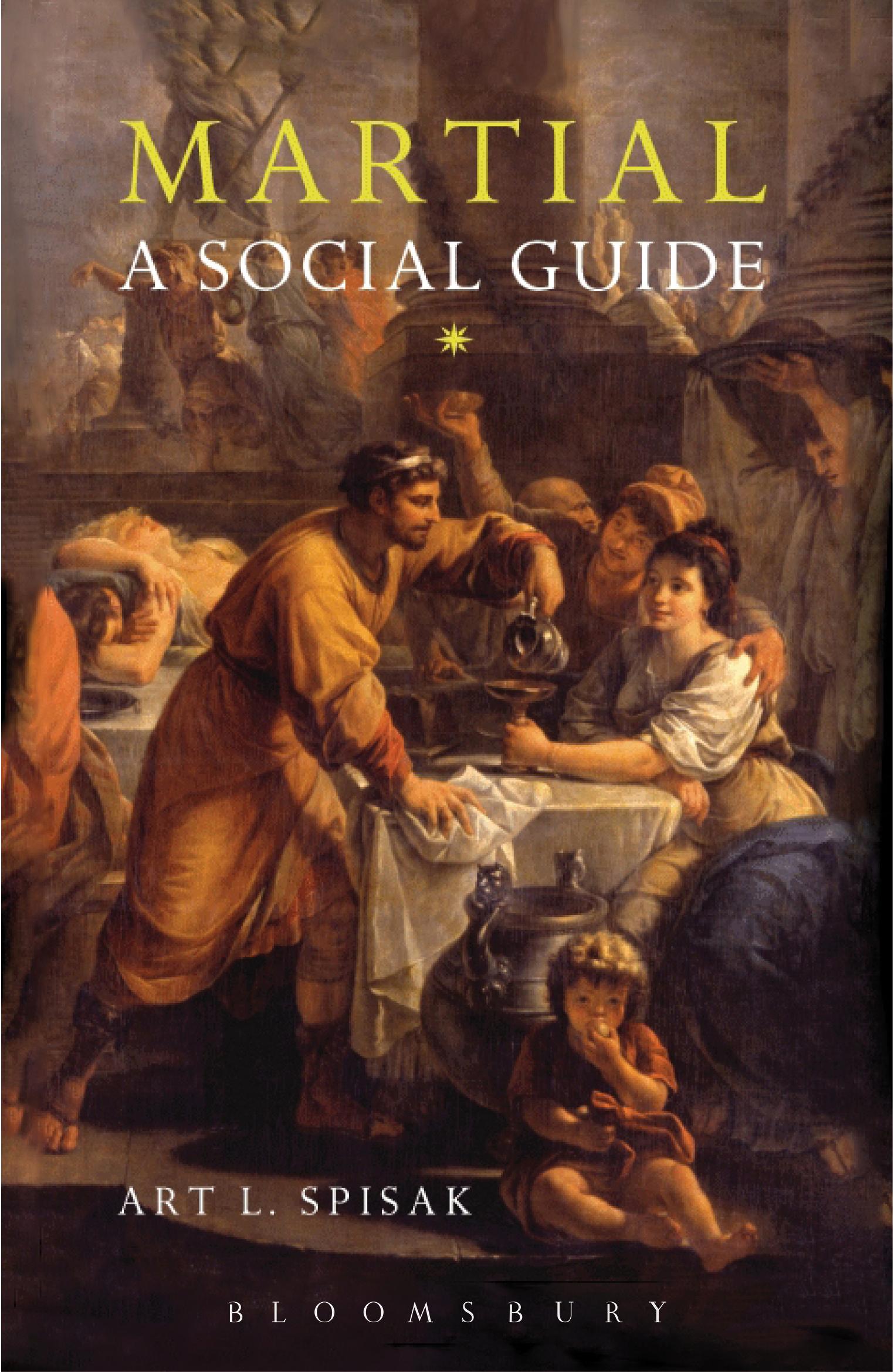
In the past both the significance and purpose of Martial's poetry have often been misinterpreted or missed altogether because of the particular literary and social background and context that inform his poetry. For example, literary histories have given the impression that Martial wrote 'unobjectionably trivial' poems merely to cull favour from patrons; they also suggest that he had little to say that was serious. In contrast, this book argues that Martial with his poetry played a serious and vital role in his community as a social guide or conscience. The book's unique approach to Martial's poetry places him within the reactionary tradition of Indo-European blame/praise poetry. Poets in this tradition served a vital function for their community: in reaction to the perceived deterioration of the behaviour and conditions of their day they either praised ideal behaviour, or, more commonly, ridiculed socially aberrant and destructive behaviour. By linking Martial with this particular tradition we are better able to account for, understand, and appreciate his themes and methods, and the effect of his poetry.
Płać wygodnie kartą, Klarną, Apple Pay lub Google Pay. Nie jesteś zadowolony? Zawsze masz 14-dniową gwarancję zwrotu pieniędzy. Więcej przeczytasz w naszych warunkach. Masz pytania? Napisz do nas na hello@memmo.org.
Memmo ułatwia naukę – gdziekolwiek jesteś na świecie. U nas znajdziesz podręczniki i sprytne narzędzia do nauki w jednym miejscu: streszczenia, quizy, podcasty i fiszki. A do tego Ted, Twój kumpel do nauki, który odpowie na wszystko, co Cię nurtuje. Ponad 50 000 studentów już tu się uczy – stworzone, byś uczył się szybciej i mniej stresował.